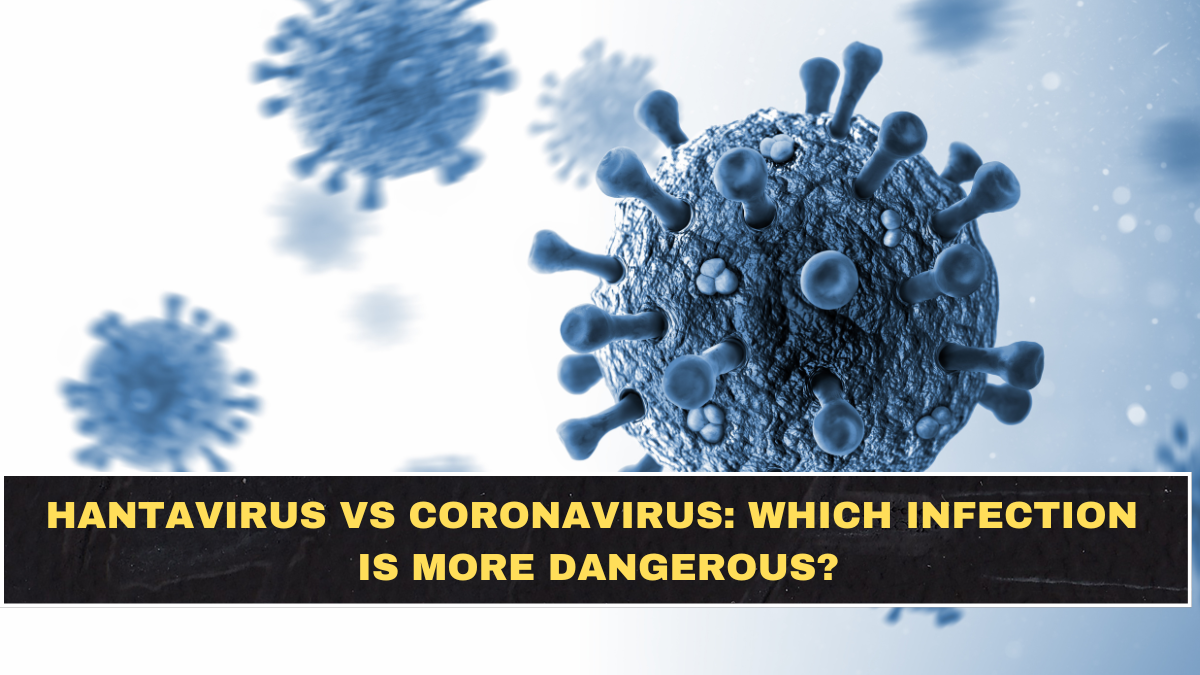
Hantavirus can be deadlier for an infected person, but coronavirus is far more dangerous at population level because it spreads much more easily. WHO says hantavirus infections are relatively uncommon, but case fatality can reach up to 50% in the Americas depending on the virus type and healthcare access. That makes it frightening when someone actually gets severe hantavirus disease.
COVID-19, caused by SARS-CoV-2, spreads through the air in infectious respiratory particles from an infected person, especially in close-contact or poorly ventilated indoor settings. That is why coronavirus created a global pandemic while hantavirus usually causes rare, localised clusters. The honest answer is simple: hantavirus is more lethal per severe case, but coronavirus is more contagious and has caused far wider global damage.
How Do They Spread Differently?
The biggest difference is transmission. Hantavirus is mainly linked to rodents, especially exposure to urine, droppings or saliva from infected rodents. People may breathe in contaminated dust while cleaning cabins, sheds, storage rooms or other rodent-infested places. Human-to-human spread is rare, though WHO notes limited transmission has been reported with Andes virus.
| Factor | Hantavirus | Coronavirus/COVID-19 |
|---|---|---|
| Main source | Infected rodents | Infected humans |
| Usual spread | Rodent urine, droppings, saliva | Airborne respiratory particles |
| Human-to-human spread | Rare, mainly Andes virus reports | Common and efficient |
| Outbreak pattern | Local clusters | Large waves and pandemics |
| Main fear | Severe lung/organ disease | High spread, vulnerable deaths, long COVID |
Coronavirus spreads more easily because infected people can release virus particles while breathing, speaking, coughing or sneezing. CDC says people can spread COVID-19 even without symptoms, which makes containment harder. This is the brutal reason COVID became a global public-health emergency while hantavirus, despite being scary, usually remains limited.
Which Symptoms Are More Alarming?
Both infections can begin with ordinary symptoms, which is why early confusion happens. Hantavirus may start with fever, tiredness, muscle aches, headache, nausea or stomach discomfort, but severe cases can progress to breathing difficulty and cardiopulmonary failure. WHO’s outbreak toolbox treats fever plus acute respiratory distress as a serious suspected-case signal in the right exposure setting.
COVID-19 symptoms can also include fever, cough, shortness of breath, fatigue, headache, muscle pain, nausea, vomiting and diarrhoea, according to CDC clinical guidance. The difference is context: COVID suspicion rises after contact with an infected person or indoor exposure, while hantavirus suspicion rises after possible rodent exposure. Do not self-diagnose either illness from symptoms alone.
Watch urgently for:
- Breathing difficulty after fever or body aches
- Recent rodent exposure before illness
- Chest tightness, severe weakness or fast breathing
- Symptoms after contact with a COVID-positive person
- High-risk status such as old age, pregnancy or weak immunity
Why Did Hantavirus Suddenly Trend Again?
Hantavirus is trending because of a suspected cluster linked to the MV Hondius cruise ship. Reuters reported that seven people linked to the ship were confirmed or suspected to have hantavirus, and three affected individuals had died as of May 5, 2026. WHO is investigating the incident, but it assessed the global public risk as low.
This is exactly where people online lose perspective. A rare outbreak with deaths is serious, but it does not automatically mean a new pandemic is starting. Coronavirus spreads efficiently between people; hantavirus usually needs rodent-linked exposure or very close-contact circumstances with specific strains. Panic is useless, but ignoring a severe rare virus is also stupid.
Which One Should People Fear More?
For everyday people, coronavirus remains the more realistic infection risk because it spreads from person to person through respiratory particles. Hantavirus is more dangerous if a severe infection happens, but the average person is far less likely to catch it unless exposed to infected rodents or contaminated environments. That distinction matters because fear without probability creates bad decisions.
Practical prevention is different for both:
- For hantavirus, avoid rodent-infested spaces and never sweep dry droppings.
- For hantavirus, ventilate and disinfect safely before cleaning contaminated areas.
- For COVID-19, avoid crowded poorly ventilated spaces when sick waves rise.
- For COVID-19, stay home when unwell and protect vulnerable people around you.
- For both, seek medical help fast if breathing trouble develops.
Conclusion: Which Virus Is More Dangerous?
Hantavirus is more dangerous by case severity, especially in severe cardiopulmonary forms, because fatality can be extremely high in some regions. Coronavirus is more dangerous by spread and total public impact because it transmits efficiently between people and can circulate widely across countries. So the correct answer depends on what “dangerous” means: deadlier per case or more capable of spreading.
The blunt truth is that comparing them like a boxing match is weak thinking. Hantavirus demands rodent-exposure awareness and fast treatment when symptoms appear. Coronavirus demands respiratory protection, testing awareness and caution around vulnerable people. Different virus, different risk, different prevention strategy.
FAQs
Is Hantavirus More Deadly Than Coronavirus?
Hantavirus can be more deadly for an infected individual, especially in severe forms reported in the Americas. WHO says hantavirus fatality can reach up to 50% in the Americas, while COVID-19’s danger comes more from easy spread and large-scale impact.
Can Hantavirus Spread Like COVID-19?
No, hantavirus does not usually spread like COVID-19. COVID-19 spreads through airborne respiratory particles from infected people, while hantavirus is usually linked to rodent urine, droppings or saliva. Limited human-to-human spread has been reported mainly with Andes virus.
What Are The Main Symptoms Of Hantavirus?
Hantavirus can start with fever, muscle aches, tiredness, headache, nausea or stomach discomfort. Severe cases may progress to coughing, shortness of breath, acute respiratory distress and serious cardiopulmonary problems.
Should People Panic About Hantavirus?
No, panic is not justified for the general public. Recent cruise-linked cases are serious, but health authorities have described the wider public risk as low while investigations continue. The smarter response is avoiding rodent exposure and seeking care quickly after risky exposure plus symptoms.