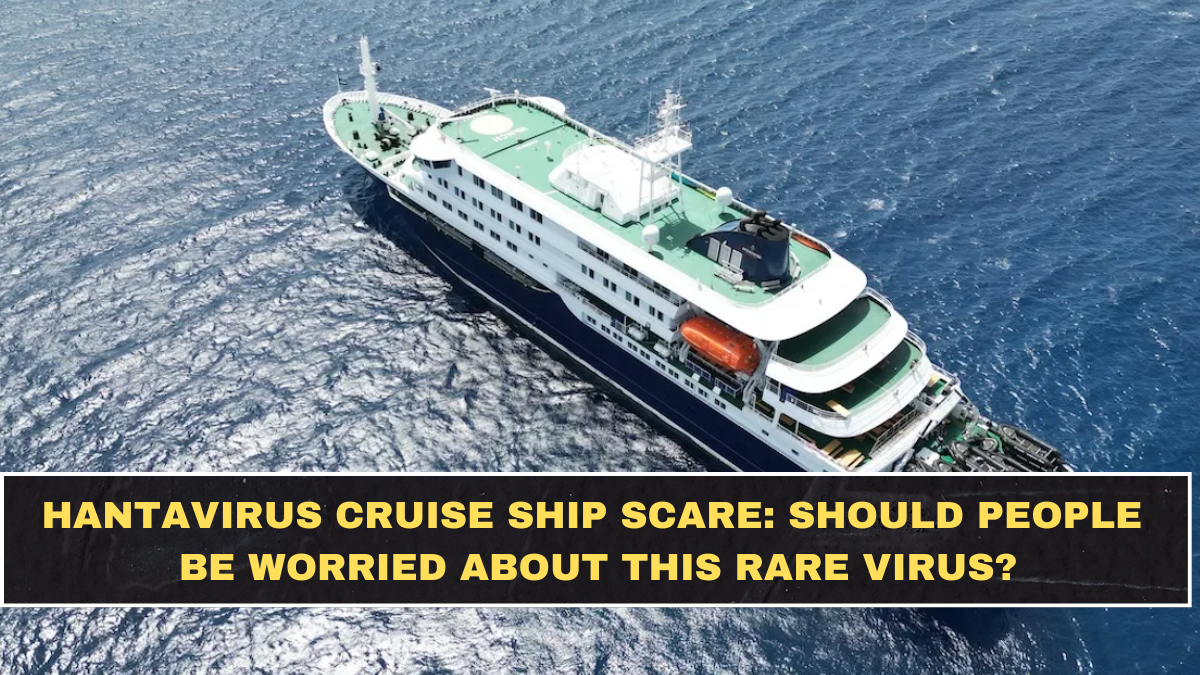
A suspected hantavirus cluster linked to the MV Hondius cruise ship has created global concern after multiple illnesses and deaths were reported among passengers and crew. Reuters reported that, as of May 5, 2026, seven people linked to the ship were confirmed or suspected to have contracted hantavirus, and three affected individuals had died. The cruise ship case drew attention because severe respiratory illness appeared during a long Atlantic journey, making medical response and isolation more complicated.
The World Health Organization has described the event as a rare but serious cluster connected to cruise ship travel. WHO said hantavirus infection is usually acquired through contact with urine, faeces or saliva of infected rodents, but limited human-to-human transmission has been reported in previous Andes virus outbreaks. WHO currently assesses the global public risk from this event as low, which means people should stay informed but not panic.
What Happened On The MV Hondius?
The MV Hondius had been travelling from Ushuaia, Argentina, on a long Atlantic expedition route when passengers began falling ill. The Guardian reported that three passengers died, seven cases were identified, and two confirmed infections were reported. The ship was anchored near Cape Verde, with authorities planning medical assessment, testing, isolation and disinfection procedures.
| Key Point | Latest Reported Detail |
|---|---|
| Ship | MV Hondius expedition cruise ship |
| Reported cases | Seven confirmed or suspected cases |
| Reported deaths | Three affected passengers died |
| Main concern | Severe respiratory illness linked to hantavirus |
| Public risk | WHO currently assesses global risk as low |
The most important point is that this is not a normal “cruise cold” story. Hantavirus can cause severe disease, especially when it leads to hantavirus pulmonary syndrome. However, it is also not like flu or COVID in normal spread pattern. Most hantavirus infections are linked to rodent exposure, not casual contact with strangers.
How Does Hantavirus Spread?
CDC says people usually get hantavirus through contact with infected rodents, especially their urine, droppings and saliva. Infection can happen when contaminated particles become airborne and are breathed in, particularly while cleaning enclosed or poorly ventilated rodent-infested spaces. CDC also notes that infection from rodent bites or scratches is possible but rare.
WHO gives similar guidance, saying exposure risk rises during activities involving rodent-contaminated areas, such as cleaning, farming, forestry work or sleeping in rodent-infested dwellings. In this cruise cluster, authorities are still investigating where exposure happened, including whether passengers may have been infected during land excursions or close-contact settings on board.
Possible exposure routes include:
- Breathing dust contaminated with rodent urine or droppings
- Touching contaminated surfaces and then touching the face
- Entering poorly ventilated rodent-infested spaces
- Rare rodent bites or scratches
- Rare close-contact spread reported with Andes virus
What Are The Symptoms People Should Know?
Hantavirus illness can begin with symptoms that look ordinary, which is why early detection can be difficult. Mayo Clinic says hantavirus pulmonary syndrome often starts with flu-like symptoms and can rapidly progress to serious lung and heart problems. CDC’s patient guidance also says symptoms of HPS usually start one to eight weeks after contact with infected rodents or their urine, faeces and saliva.
Early warning signs may include:
- Fever, chills and muscle aches
- Headache, dizziness or tiredness
- Nausea, vomiting or abdominal discomfort
- Cough or shortness of breath
- Rapid breathing or chest tightness
- Severe weakness after possible rodent exposure
The blunt truth is that people should not self-diagnose hantavirus from a viral headline. Most fever and cough cases are caused by far more common infections. But if someone recently had rodent exposure, travelled in an affected setting, or develops breathing difficulty after flu-like symptoms, medical care should be sought quickly.
Should Travellers Be Worried?
Travellers should be cautious, not terrified. WHO’s current risk assessment says the global public risk from this event is low. That matters because hantavirus does not normally spread easily between people, unlike common respiratory viruses. The concern in this case is serious because of deaths, cruise isolation challenges and possible close-contact investigation, not because the general public is suddenly facing a widespread outbreak.
People planning travel should focus on practical prevention. Avoid contact with rodents, do not disturb rodent nests, avoid dusty enclosed spaces with signs of infestation, and report poor hygiene or rodent sightings in hotels, cabins or ships. Cruise operators and health authorities must take the heavier responsibility: testing, tracing contacts, disinfecting safely and communicating clearly.
Conclusion: Is This Rare Virus A Real Threat?
The hantavirus cruise ship scare is serious because it involves severe illness, deaths and an unusual travel-linked cluster. But it is not a reason for mass panic. WHO says the global risk remains low, and the usual transmission route is rodent exposure, not casual public interaction. The real lesson is that rare zoonotic infections can become major travel emergencies when they appear in isolated settings like ships.
The uncomfortable truth is that travel companies and passengers both need better awareness of environmental infection risks. Cruise ships, expedition tours and wildlife routes can create exposure situations that ordinary tourists do not fully understand. Panic helps nobody, but ignoring rodent-linked diseases because they sound rare is equally foolish.
FAQs
What Is Hantavirus?
Hantavirus is a group of viruses mainly carried by rodents. People usually become infected after exposure to urine, droppings or saliva from infected rodents, especially when contaminated particles are inhaled in enclosed or dusty spaces.
What Happened On The Hantavirus Cruise Ship?
A cluster of confirmed or suspected hantavirus cases was reported among people linked to the MV Hondius cruise ship. Reuters reported seven confirmed or suspected cases and three deaths as of May 5, 2026.
Can Hantavirus Spread From Person To Person?
Most hantaviruses do not spread easily between people. WHO says limited human-to-human transmission has been reported in previous outbreaks involving Andes virus, but the overall global public risk from this cruise-linked event is currently assessed as low.
What Are The Early Symptoms Of Hantavirus?
Early symptoms may include fever, muscle aches, tiredness, headache, nausea and stomach discomfort. Severe cases can progress to cough, breathing difficulty and serious lung or heart problems, so medical attention is important if symptoms follow possible rodent exposure.