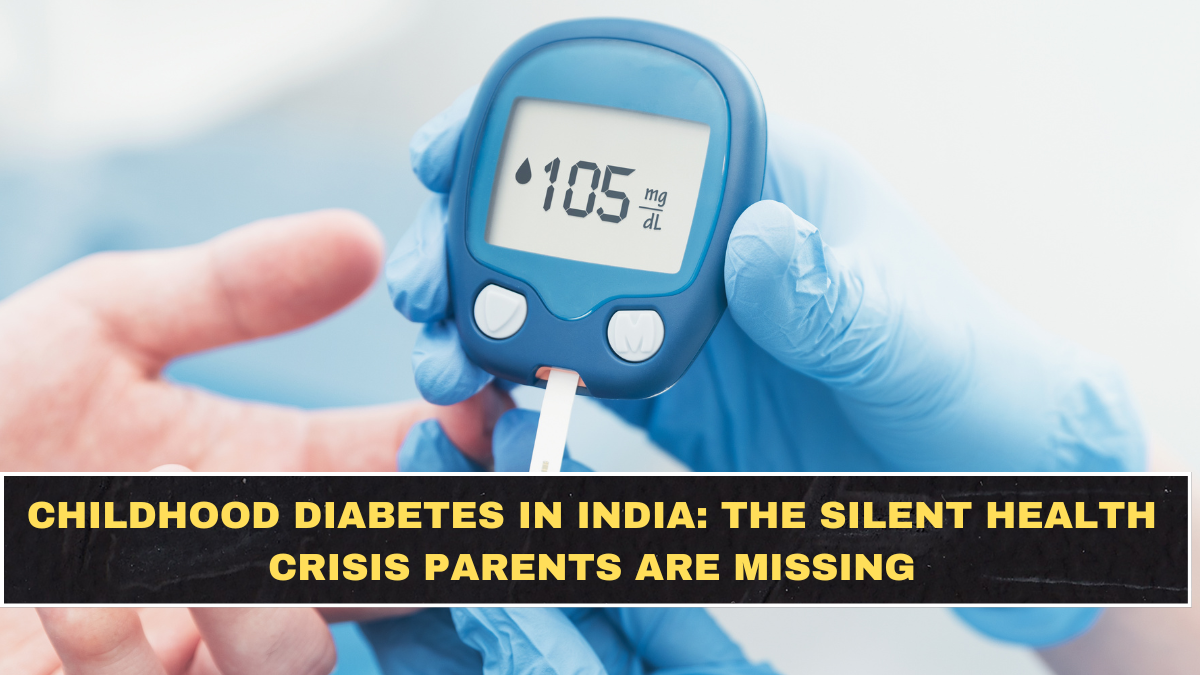
Childhood diabetes in India is no longer a rare health issue that parents can ignore. The Union Health Ministry released India’s first structured national framework for screening, diagnosis, treatment and long-term management of diabetes in children on May 3, 2026. The document aims to screen all children from birth to 18 years through community and school-based platforms, which shows how seriously the government now views the risk.
The crisis is “silent” because many children may not look seriously ill in the early stage. Prediabetes and type 2 diabetes can build quietly through poor diet, inactivity, obesity, family history and irregular sleep. Parents often notice tiredness, thirst or weight changes late, and that delay can make treatment harder. This is exactly why early screening has become more important than waiting for obvious symptoms.
What Do The Numbers Really Reveal?
A national study published in Diabetes Research and Clinical Practice estimated prediabetes prevalence at 15.35% among school-age children and 16.18% among adolescents. The same study estimated diabetes prevalence at 0.94% among school-age children and 0.56% among adolescents. These numbers clearly show that prediabetes is the larger warning zone, while confirmed diabetes still needs proper medical diagnosis.
| Health Indicator | Reported Estimate | Why It Matters |
|---|---|---|
| Prediabetes in school-age children | 15.35% | Early warning before diabetes |
| Diabetes in school-age children | 0.94% | Needs medical diagnosis and care |
| Prediabetes in adolescents | 16.18% | High-risk teenage group |
| Diabetes in adolescents | 0.56% | Smaller but serious burden |
| Govt action | Screening birth to 18 years | Early detection push |
The blunt truth is that parents should not confuse “risk” with confirmed disease. Saying every overweight or inactive child is diabetic is wrong and irresponsible. But ignoring prediabetes is also foolish, because it is the stage where lifestyle changes, testing and doctor-guided care can still prevent serious long-term damage.
Why Are Children Facing Adult-Like Diseases?
The biggest reason is that many children now live like inactive adults. They sit for school, tuition, phones, tablets and games, while outdoor play keeps shrinking. Add sugary drinks, packaged snacks, late dinners and poor sleep, and the body starts developing insulin resistance much earlier than expected.
Childhood obesity is another major driver. India Today reported in March 2026 that India ranks second globally in the number of overweight and obese children, citing the World Obesity Atlas, with projections warning that nearly 56 million Indian children could be affected by 2040 if trends continue. That makes diabetes prevention a lifestyle issue, not just a hospital issue.
What Warning Signs Should Parents Watch?
The Health Ministry’s new guidance promotes the “4Ts” awareness framework for early detection of type 1 diabetes: Toilet, Thirsty, Tired and Thinner. This means frequent urination, excessive thirst, unusual tiredness and unexplained weight loss should not be dismissed as normal childhood behaviour. These symptoms deserve medical attention, especially if they appear suddenly or repeatedly.
Watch for these red flags:
- Frequent urination or bed-wetting after control was established
- Excessive thirst even after drinking enough water
- Unusual tiredness, sleepiness or low energy
- Sudden weight loss or unhealthy weight gain
- Dark patches around the neck or underarms
- Repeated infections or slow-healing wounds
Parents need to stop using guesswork here. Home remedies, random diet restrictions and fear-based advice can make things worse. If symptoms appear, the right step is blood glucose testing and consultation with a qualified doctor, not social media diagnosis.
What Is India Doing To Fight This?
The new national guidance creates a full care pathway from detection to long-term follow-up. According to PIB, suspected cases will undergo immediate blood glucose testing and referral to district-level health facilities for confirmatory diagnosis and treatment. The framework also includes free-of-cost care at public facilities, including screening, diagnostic services, insulin therapy, glucometers, test strips and regular follow-up care.
This is a big step because childhood diabetes treatment can become financially exhausting for families. Free insulin and monitoring support can reduce the burden, especially for children with type 1 diabetes who need lifelong care. But policy alone will not fix the problem if homes and schools continue normalising junk food, low movement and excessive screen time.
Conclusion: Can Parents Still Stop This Crisis?
Yes, but only if parents act before the disease becomes obvious. Childhood diabetes and prediabetes are not problems that can be solved by panic headlines or casual advice. India now has a national framework, stronger screening goals and clearer warning signs, but families must take food, activity, sleep and testing seriously.
The hard truth is that many parents are missing the crisis because the child looks “fine.” That is a dangerous assumption. A child can be active-looking and still have rising blood sugar risk. The smart response is simple: reduce sugar-heavy habits, increase daily movement, watch symptoms and get medical testing when risk signs appear.
FAQs
What Is Childhood Diabetes In India?
Childhood diabetes means diabetes diagnosed in children or teenagers. It can include type 1 diabetes, which often needs lifelong insulin, and type 2 diabetes, which is increasingly linked with obesity, inactivity and lifestyle risk in young people.
What Are The Early Symptoms Of Diabetes In Children?
The major warning signs include frequent urination, excessive thirst, tiredness and unexplained weight loss. India’s Health Ministry highlights these as the “4Ts” awareness signs for early detection of type 1 diabetes in children.
Can Childhood Type 2 Diabetes Be Prevented?
Risk can often be reduced through healthier food, daily physical activity, weight control, better sleep and early screening. Prevention is not guaranteed for every child, especially with family history, but lifestyle correction can strongly reduce risk.
What Has The Government Announced For Childhood Diabetes?
The Union Health Ministry has released a national guidance document for childhood diabetes care. It aims for universal screening of children from birth to 18 years and includes free public healthcare support such as testing, insulin therapy, glucometers, strips and follow-up care.