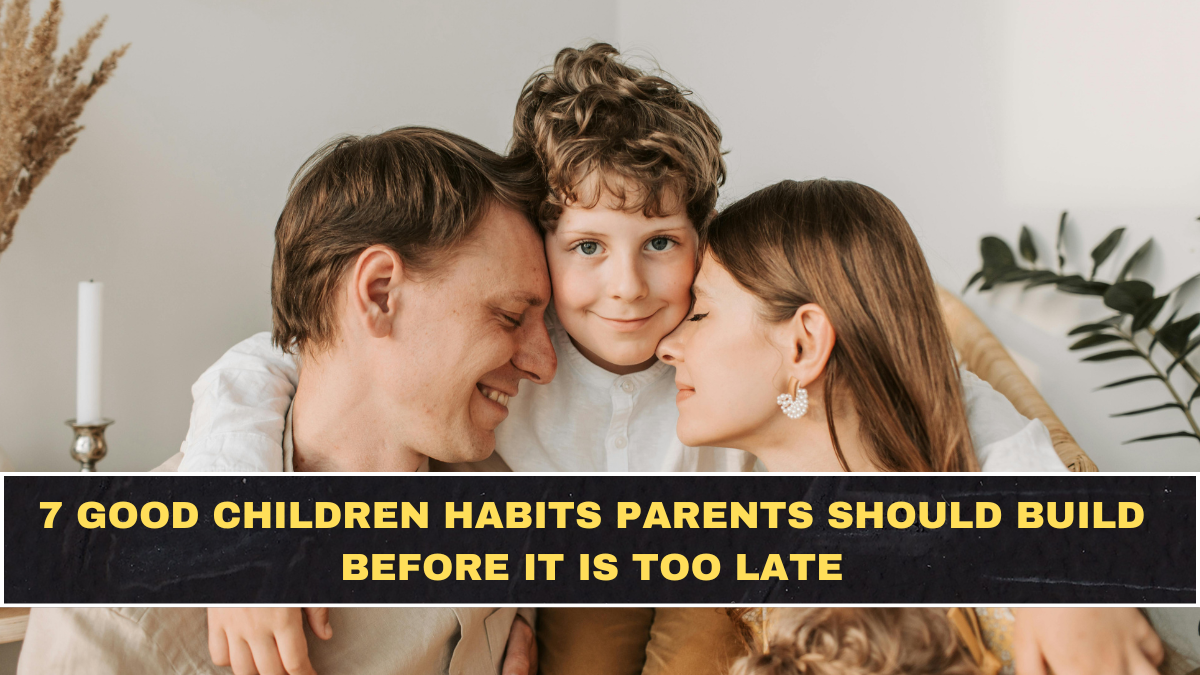
Good children habits are not built by long lectures, shouting, or emotional blackmail. Children learn more from daily repetition, home environment, and what parents actually do in front of them. If a child sees discipline, kindness, reading, cleanliness, and emotional control every day, those things slowly become normal.
The harsh truth is that many parents expect children to behave well while giving them a messy example at home. You cannot teach patience while shouting every day, and you cannot teach screen discipline while scrolling endlessly yourself. Good habits begin with parents first, then children follow.
Which Habits Should Parents Build First?
The first habits should be simple, repeatable, and connected to daily life. Do not overload children with ten rules at once because that only creates resistance. Start with basic habits around sleep, food, respect, responsibility, reading, gratitude, and emotional expression.
| Habit | Why It Matters |
|---|---|
| Fixed sleep routine | Improves mood, focus, and learning |
| Daily reading | Builds language, imagination, and attention |
| Helping at home | Teaches responsibility and teamwork |
| Saying thank you | Builds gratitude and social confidence |
| Limited screen time | Protects focus and reduces addiction-like behaviour |
| Cleanliness | Creates discipline and self-care |
| Talking about feelings | Builds emotional strength and trust |
Why Is Sleep The Most Ignored Habit?
Sleep is one of the most important habits, but parents often treat it casually. Late-night phones, irregular school routines, noisy homes, and weekend over-relaxation slowly damage a child’s energy and focus. A tired child becomes irritated, careless, and emotionally unstable more easily.
Parents should create a fixed sleep routine where the child sleeps and wakes around the same time every day. The bedroom should not become a mini cinema with phones, tablets, and loud content. A calm bedtime routine with reading, light conversation, and no screens can improve behaviour more than many punishments.
How Can Reading Change A Child?
Reading is not only for marks; it builds thinking power. A child who reads regularly develops better vocabulary, patience, imagination, and concentration. Even 15–20 minutes of daily reading can shape how a child speaks, understands people, and handles studies.
Parents do not need to start with heavy books. Storybooks, picture books, short biographies, moral stories, comics, and simple general knowledge books are enough. The goal is to make reading feel normal, not like punishment. If parents read with the child, the habit becomes easier and more enjoyable.
Why Should Children Help At Home?
Children who never help at home often grow up entitled. They may become dependent, careless, and unaware of how much work others do for them. Small household tasks teach responsibility better than lectures about discipline.
Start with simple duties based on age:
- Keeping toys or books in place
- Filling their own water bottle
- Folding small clothes or arranging shoes
- Helping set the dining table
- Keeping their study area clean
- Watering plants or feeding pets
These tasks should not be presented as punishment. They should be treated as normal family contribution. When children help at home, they slowly understand effort, respect, and responsibility.
How Can Parents Teach Respect?
Respect should not mean fear. A child who is scared of parents may obey in front of them but hide things later. Real respect comes when children learn how to speak politely, listen properly, and understand boundaries.
Parents must teach children to greet elders, say please and thank you, wait for their turn, and avoid interrupting others. But again, children copy adults. If parents insult workers, shout at family members, or speak rudely in public, the child learns the same behaviour. You cannot demand manners while modelling arrogance.
Why Is Screen Discipline Urgent?
Screen discipline is now one of the biggest parenting challenges. Children are getting exposed to short videos, gaming, loud content, and endless scrolling too early. This can weaken attention span, patience, sleep, and emotional control if not managed properly.
The smart approach is not a sudden complete ban. Parents should create fixed screen rules, keep phones away during meals and bedtime, and offer real alternatives like outdoor play, drawing, reading, puzzles, music, or family games. A child needs something better to do, not just a device taken away.
What Builds Emotional Strength?
Emotional strength begins when children feel safe to express fear, anger, sadness, and confusion. Many parents make the mistake of saying things like “don’t cry,” “be strong,” or “stop overreacting.” That teaches children to hide emotions, not handle them.
Instead, parents should ask simple questions: “What happened?”, “How did that make you feel?”, and “What can we do next?” This teaches problem-solving and emotional language. A child who can explain emotions is less likely to express everything through anger, stubbornness, or silence.
Conclusion?
Good children habits are not created in one motivational day. They are built through repeated actions, calm parenting, and a home environment that supports discipline. Sleep, reading, responsibility, gratitude, cleanliness, respect, screen control, and emotional expression can shape a child’s future more than expensive toys or forced tuition.
The blunt reality is that parents must stop outsourcing character-building to schools. Teachers can support habits, but the foundation begins at home. If parents fix the environment early, children grow with confidence, discipline, and emotional balance. If parents delay too long, bad habits become harder to break later.
FAQs?
What Are The Most Important Good Habits For Children?
The most important habits are proper sleep, daily reading, helping at home, polite communication, cleanliness, gratitude, limited screen time, and emotional expression. These habits improve discipline, confidence, learning, and behaviour. Parents should start small instead of forcing too many rules at once.
How Can Parents Build Discipline Without Shouting?
Parents can build discipline through routine, consistency, and clear rules. Shouting may create fear, but it rarely creates real self-control. Children respond better when rules are predictable, consequences are fair, and parents follow the same discipline they expect from children.
What Is The Best Age To Start Teaching Good Habits?
Good habits can start as early as toddler age through simple routines like cleaning toys, saying thank you, sleeping on time, and eating properly. Older children can learn more responsibility through household tasks and screen rules. The earlier parents start, the easier it becomes.
How Much Screen Time Is Safe For Children?
Screen time depends on age, school needs, and content quality, but unlimited screen use is clearly harmful. Parents should set fixed limits, avoid screens during meals and bedtime, and monitor what children watch. Real play, reading, conversation, and outdoor activity should not be replaced by screens.