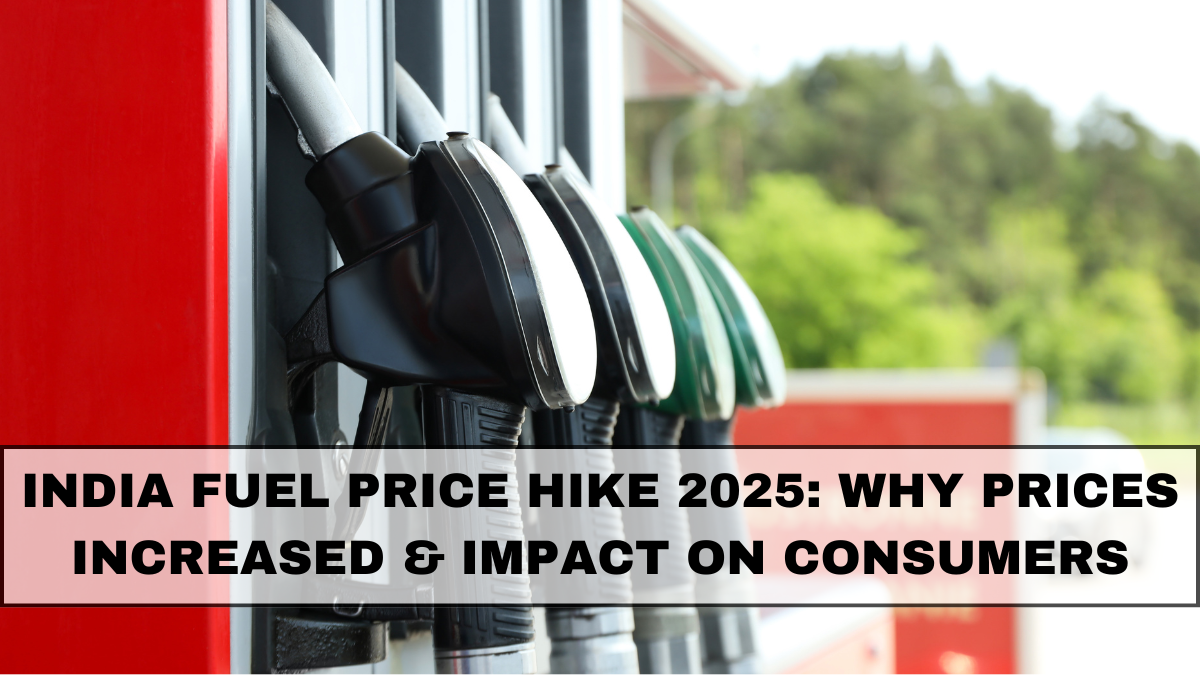
The India Fuel Price Hike 2025 has become a major concern for consumers and businesses alike. Rising petrol and diesel prices are influencing the cost of transportation, goods, and services across the country. This article provides a detailed analysis of the factors behind the hike, city-wise pricing, and its impact on households, industries, and overall economic activity.
Reasons Behind Fuel Price Hike
Fuel price fluctuations in India are influenced by several domestic and global factors:
-
Crude oil prices: The international crude oil market significantly impacts domestic petrol and diesel prices. Recent global supply constraints have driven crude prices higher.
-
Currency fluctuations: A weaker Indian rupee against the US dollar increases import costs, directly affecting fuel pricing.
-
Taxes and levies: Central excise duty and state VAT contribute heavily to the final fuel price paid by consumers. Any change in government tax policy can result in price hikes.
-
Transportation costs: Rising logistics and storage expenses also add to the fuel price.
-
Geopolitical events: Global conflicts, trade sanctions, and OPEC decisions influence crude availability and pricing.
These combined factors explain why India has seen periodic increases in petrol and diesel rates in 2025.
City-Wise Impact of Fuel Price Hike
Fuel price changes are not uniform across India due to varying state taxes:
-
Metro cities: Delhi, Mumbai, Bangalore, and Chennai often witness higher petrol prices due to local VAT and service charges.
-
Tier-2 cities: Cities like Jaipur, Lucknow, and Kochi have slightly lower prices but are also impacted by transportation costs.
-
Tier-3 towns: Rural areas generally have modest hikes, but diesel rates for agriculture and transportation remain sensitive.
Consumers in metro areas feel the price increase more acutely due to higher living costs and frequent fuel consumption for commuting.
Effect on Households and Daily Expenses
Fuel price hikes directly impact household budgets:
-
Commuting costs: Private vehicle owners face higher petrol or diesel expenses. Public transport fares may also increase.
-
Goods & groceries: Rising transportation costs translate into higher prices for daily essentials.
-
Energy bills: Diesel-fueled generators and backup systems become costlier to operate.
-
Lifestyle adjustments: Households may reduce discretionary travel or switch to fuel-efficient alternatives like EVs or public transport.
Careful budgeting and awareness of price trends are essential for managing household expenses during periods of fuel price volatility.
Industrial and Economic Implications
The fuel price hike affects industries and the broader economy:
-
Transportation and logistics: Increased diesel costs raise expenses for trucking, shipping, and delivery services.
-
Manufacturing sector: Higher energy costs push up production costs, affecting profitability.
-
Inflation: Rising fuel costs contribute to overall inflation, impacting food, transport, and energy sectors.
-
Government revenue: Higher prices increase VAT and excise collection, benefiting state and central exchequers.
Industries often pass increased costs to consumers, creating a ripple effect on the entire economy.
Measures to Manage Fuel Expenses
Consumers and businesses can adopt strategies to cope with rising fuel prices:
-
Opt for fuel-efficient vehicles: Cars with better mileage and hybrid or electric vehicles reduce dependency on petrol or diesel.
-
Use public transport: Metro, bus, and rail options can significantly lower commuting costs.
-
Plan travel effectively: Combining trips and carpooling reduces overall fuel consumption.
-
Monitor fuel trends: Keeping track of daily fuel rates allows households and businesses to plan purchases strategically.
-
Government schemes: Subsidies, rationed fuel access for agriculture, and rural transport programs help mitigate impact.
Proactive measures can help ease the financial burden of fuel price hikes on both individuals and organizations.
FAQs on India Fuel Price Hike 2025
Why have petrol and diesel prices increased in 2025?
Prices have risen due to global crude oil price surges, rupee depreciation, higher taxes, transportation costs, and geopolitical factors.
Which cities are most affected by the fuel price hike?
Metro cities like Delhi, Mumbai, Bangalore, and Chennai face higher prices due to local VAT and higher consumption.
How does the fuel price hike impact daily expenses?
Households face increased commuting costs, higher prices for goods, and elevated energy expenses for diesel-powered equipment.
What industries are most affected by fuel price increases?
Transportation, logistics, manufacturing, and goods production sectors see significant cost impacts, which may trickle down to consumers.
Can consumers reduce the impact of rising fuel prices?
Yes, using fuel-efficient vehicles, public transport, carpooling, and monitoring price trends are effective ways to manage costs.
Does the government provide any relief from rising fuel prices?
Subsidies, rationed fuel for agriculture, and rural transport initiatives help mitigate the impact for targeted groups.
Click here to know more.