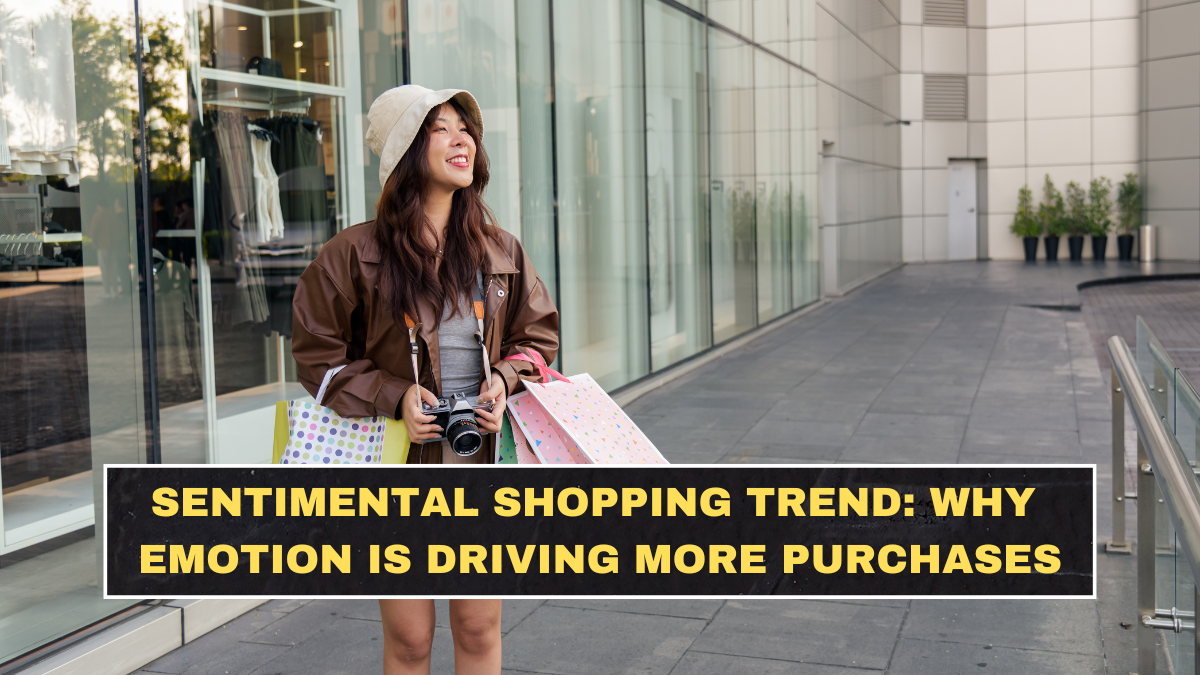
The sentimental shopping trend is growing because people are not buying only for function anymore. They are buying for reassurance, memory, and emotional meaning. In a retail environment shaped by stress, overload, and constant choice, products that feel personal or comforting have an advantage. Simon-Kucher’s 2026 retail outlook says consumer trends are being shaped not just by value and price, but also by emotion, occasion, and differentiated offers. HGI’s summary of the NRF 2026 outlook also says spending remains resilient partly because consumers are still making small, frequent, joy-driven purchases, especially around self-expression and comfort.
That matters because sentimental buying is not just about gifts. It shows up in home decor, keepsakes, nostalgia products, personalized purchases, and “comfort” shopping that helps people feel grounded. The behavior is less about reckless indulgence and more about trying to create emotional stability through objects. That may sound soft, but it is commercially powerful. A product that feels meaningful is harder to compare on price alone.
Why is sentimental shopping getting stronger now?
Because people are tired, overstimulated, and more emotionally selective about what deserves their money. Economic pressure has not killed spending, but it has made people more deliberate about purchases that offer psychological payoff. One 2026 consumer-behavior analysis describes current spending as people trying to preserve quality of life and regain a sense of control, predictability, and emotional safety under constraint. That is exactly the environment where sentimental purchases get stronger.
There is also a nostalgia angle. The “nostalgia economy” framing is showing up more often because familiar objects, retro formats, and memory-linked experiences feel safer and more human than endless algorithmic sameness. A recent analysis of nostalgia-driven commerce points to brands like Build-A-Bear benefiting from adults and teens who are drawn to sentimental, hands-on experiences that feel emotionally safe and memorable.
What kinds of purchases are being driven by sentiment most?
Usually gifts, decor, keepsakes, and products that feel identity-linked or memory-linked. This includes personalized jewelry, custom home objects, nostalgic products, sentimental seasonal gifts, and decor that makes a home feel more emotionally specific rather than generic. The 2026 Craft Industry Alliance retail trend report points to vintage frames, layered wall art, mismatched china, and earth-toned, craft-led home objects as current decor sellers, which fits the broader idea that buyers want objects with emotional texture, not just function.
Seasonal and relationship-based gifting is part of it too. Valentine’s spending in 2026 is projected to hit a record $29.1 billion, with average spend rising to about $199.78 per consumer, showing that emotionally charged buying occasions remain strong. That does not prove every purchase is sentimental, but it does show people still spend meaningfully when the purchase carries emotional purpose.
Why do comfort and memory make products easier to buy?
Because emotional clarity reduces decision fatigue. A sentimental purchase often comes with a built-in reason: it reminds someone of a person, place, season, tradition, or feeling. That makes the purchase easier to justify than a generic item competing only on features. Forbes reported in 2025 that 78% of consumers said personalized gifts help create a stronger one-to-one emotional connection. That number matters because it shows people do not just like personalization intellectually. They feel it changes the meaning of the purchase.
This is also why nostalgia performs so well in uncertain times. Familiar things ask less of the buyer. They already carry emotional language the person understands. A sentimental object can feel like proof of taste, memory, or care without needing a complicated explanation.
How does this show up in actual buying behavior?
It usually shows up through products that are easy to emotionally project onto. Here is the practical breakdown:
| Type of purchase | Why sentiment drives it | Best example | Main risk |
|---|---|---|---|
| Personalized gifts | Feels specific and relational | Engraved jewelry, photo keepsakes | Customization can be shallow |
| Nostalgia purchases | Feels familiar and emotionally safe | Retro toys, vintage-inspired items | Can become gimmicky fast |
| Comfort decor | Makes home feel softer and more personal | Frames, layered art, craft objects | Easy to overbuy “coziness” |
| Seasonal memory buys | Links shopping with rituals and milestones | Valentine’s, Mother’s Day, family keepsakes | Spending becomes calendar-driven |
| Self-gifting with emotional logic | Feels like care, reward, or identity affirmation | Journals, sentimental jewelry, home objects | Easily becomes rationalized impulse buying |
That table is the real pattern. Sentimental shopping works when the object carries more than use value. It fails when brands fake emotional meaning too obviously.
Is this trend really about emotion, or just better marketing?
Both. Brands are clearly getting better at selling emotional value, but that does not mean the demand is fake. Emotional and sentimental purchases keep growing because they solve something real for buyers: they make shopping feel more personal, less transactional, and more tied to relationships or identity. Capgemini’s 2026 consumer report says emotion, trust, and personalization are reshaping how people define value, which supports the idea that value is now partly emotional, not just financial.
The manipulative part comes when every product tries to manufacture meaning through lazy branding. A random mug with a quote is not automatically sentimental. A meaningful product has to connect to a real memory, relationship, or ritual. Otherwise it is just emotional packaging.
Why is sentimental shopping strong in gifts and home decor especially?
Because both categories sit close to identity. Gifts communicate how well you know someone. Decor communicates how you want to feel at home. That makes both categories ideal for memory-driven and comfort-driven spending. Better Homes & Gardens’ 2026 “whimsymaxxing” piece also points to a wider design mood around personality, nostalgia, and making home feel more joyful and emotionally expressive. That supports the broader shift away from impersonal, purely aesthetic shopping toward objects that feel intimate or emotionally alive.
This is why sentimental shopping is not only about romance or holidays. It also shows up in everyday choices about what kind of home people want and what kind of emotional signal they want their purchases to send.
Where does the sentimental shopping trend go wrong?
It goes wrong when emotion becomes an excuse for bad buying. Not every “meaningful” purchase is actually meaningful. Sometimes people are just overspending on products that flatter their self-image for five minutes. Emotional buying can still be shallow, repetitive, or manipulative, especially when brands keep recycling the same personalization tricks across generic items.
The other problem is confusion between comfort and clutter. A sentimental home does not require buying endless objects. A sentimental gift does not need to be expensive. If people use emotional language to justify constant accumulation, then the trend stops being about meaning and starts being about emotional consumption without discipline.
Why are brands leaning into this trend so hard?
Because sentimental products are harder to commoditize. If a purchase feels personal, it becomes less vulnerable to pure price competition. That is why personalization, nostalgia cues, and emotional storytelling are so attractive commercially. Simon-Kucher’s 2026 retail outlook emphasizes the need for more precise offers aligned to occasions and consumer missions, which fits perfectly with emotion-led shopping behavior.
In plain language, emotion helps protect margin. A functional product can be compared. A sentimental product can be defended.
Conclusion
The sentimental shopping trend is growing because people increasingly want purchases to do more than solve practical needs. They want them to create comfort, mark relationships, reinforce memory, or make everyday life feel more personal. That is why emotion is driving more purchases across gifts, decor, and keepsakes. But the trend only has real value when the meaning is genuine. Otherwise it is just expensive mood management disguised as thoughtful shopping.
FAQs
What is sentimental shopping?
Sentimental shopping is buying driven by emotional meaning, memory, comfort, or relationship value rather than pure utility alone. It often shows up in gifts, keepsakes, decor, and nostalgic products. This is supported by current retail reporting emphasizing emotion, personalization, and joy-driven purchases.
Why is sentimental shopping growing in 2026?
Because consumers are making more selective purchases tied to comfort, emotional safety, and personal meaning, especially under economic and cultural pressure.
What kinds of products benefit most from this trend?
Personalized gifts, nostalgia products, comfort-led decor, seasonal keepsakes, and emotionally framed self-gifting tend to benefit most.
Is sentimental shopping genuine or just marketing?
Both. The emotional demand is real, but brands are also using personalization and nostalgia more aggressively because emotional value makes products easier to sell and harder to compare on price alone.