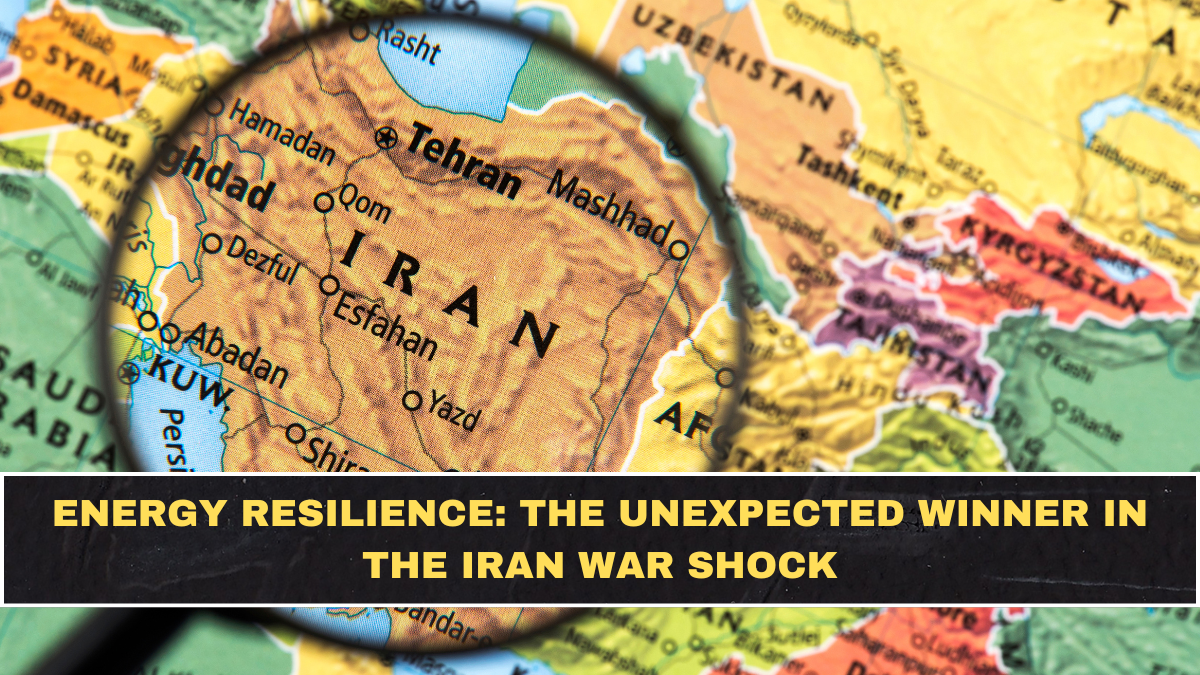
The Iran war has shown that the strongest countries are not only those with missiles, armies or alliances. The real winners are countries that can survive energy shocks without panic, fuel shortages or currency pressure. Nations with diversified energy supplies, domestic production, strategic reserves and renewable capacity now have more room to manoeuvre than oil-dependent economies.
This is the uncomfortable lesson of the crisis. When oil routes become unstable and prices rise sharply, weak energy systems expose weak economies. Countries that depend heavily on imported fuel suddenly face inflation, currency pressure, transport disruption and political anger at home.
What Did The Iran War Expose?
| Country/Economy Type | Energy Position | Impact Of Iran War Shock |
|---|---|---|
| Energy-secure nations | Domestic fuel, reserves, renewables | More control during price spikes |
| Oil exporters with alternate routes | Export flexibility and reserves | Better ability to absorb disruption |
| India-like importers | Heavy crude import dependence | Rupee, inflation and fuel bill pressure |
| Asian refiners | Gulf supply exposure | Forced to seek alternatives |
| Europe | Gas and oil vulnerability | Inflation and industrial pressure |
| Poor fuel-importing nations | Low reserves and weak currency | Highest risk of shortages |
Reuters reported that oil prices surged because of renewed concerns around the fragile US-Iran ceasefire, with Brent crude reaching around $105.22 and India’s rupee facing pressure near record lows. That is exactly how an external war becomes a domestic economic problem for oil-importing countries.
Why Are Oil-Dependent Countries Suffering?
Oil-dependent countries suffer because they cannot control the price of the fuel they need most. When global crude rises, they must either allow petrol and diesel prices to increase or absorb the cost through subsidies, tax cuts and pressure on public finances. Either way, someone pays.
India is a clear example of this pressure. Reports say the war has hurt foreign exchange stability, pushed up import costs and forced policymakers to consider conservation and emergency measures. Reuters also reported that India’s refiners turned more toward Russian crude alternatives as Middle East supply disruption changed buying behaviour.
Why Does The Strait Of Hormuz Matter?
The Strait of Hormuz matters because it is one of the world’s most important energy chokepoints. When conflict threatens that route, oil and LNG flows become unstable, insurance costs rise, tankers face delays and buyers start scrambling for alternative supplies. That pressure spreads across fuel, electricity, fertiliser, transport and food prices.
Saudi Aramco’s CEO warned that the oil market could lose up to 100 million barrels a week if Hormuz remains closed, according to Wall Street Journal reporting surfaced in current market coverage. That scale shows why this is not a normal price fluctuation; it is an energy-security stress test for the world.
Who Looks Stronger In This Crisis?
The countries that look stronger are those that prepared before the crisis. They invested in reserves, diversified suppliers, built renewable capacity, protected critical infrastructure and reduced single-route dependence. These countries may still face higher prices, but they are less likely to face panic-level disruption.
The likely winners are those with:
- Strong strategic petroleum reserves and emergency planning.
- Domestic oil, gas, nuclear or renewable capacity.
- Multiple import routes instead of one chokepoint.
- Faster ability to reduce demand during crisis periods.
- Lower dependence on imported fertiliser and LPG.
- Strong currency buffers to absorb oil-price pressure.
Why Is Renewable Energy Suddenly Strategic?
Renewable energy is not just a climate talking point anymore; it is a national-security tool. Solar, wind, hydro, battery storage and domestic grid upgrades reduce exposure to foreign fuel shocks. A country that can power more homes, transport systems and industries locally is less vulnerable when oil markets go mad.
This does not mean renewables can replace oil overnight. Transport, aviation, shipping, fertilisers and petrochemicals still depend heavily on fossil fuels. But every unit of domestic clean energy reduces the amount of imported fuel a country must fight for during global conflict.
Why Should India Worry More?
India should worry because it is still heavily exposed to imported oil and global crude-price shocks. When oil rises, the rupee weakens, import bills expand, inflation risks increase and fuel retailers face margin pressure. Bloomberg-linked reporting noted that Indian fuel retailers were losing billions monthly under current pressure, while Reuters pointed to rupee weakness from oil and ceasefire worries.
This is not fearmongering; it is basic arithmetic. A country that imports large amounts of fuel cannot ignore wars near major oil routes. India needs faster diversification, stronger reserves, more electric mobility, domestic clean energy and serious fuel-efficiency planning instead of reacting only when crisis arrives.
Conclusion: Is Energy The Real Battlefield?
The Iran war has made one thing brutally clear: energy resilience is power. Countries that control their energy options can absorb shocks better, protect their currency and avoid panic. Countries that depend too much on imported oil remain exposed every time geopolitics turns violent.
The unexpected winner of this crisis is not one country alone. It is the idea of energy independence itself. The world is learning again that cheap fuel can disappear quickly, but resilient energy systems protect economies when global politics breaks down.
FAQs?
What Is Energy Resilience?
Energy resilience means a country’s ability to keep fuel, electricity and essential services stable during shocks like war, sanctions, price spikes or supply-route disruption. It depends on reserves, domestic production, renewable energy, diversified imports and strong crisis planning.
Why Did The Iran War Affect Oil Prices?
The Iran war affected oil prices because it threatened key Middle East energy supplies and routes, especially the Strait of Hormuz. Any disruption in that region creates fear of shortages, tanker delays and higher global crude prices.
Which Countries Suffer Most From Energy Shocks?
Countries that import most of their oil, gas or LPG suffer the most because they cannot control global prices. They face higher import bills, weaker currencies, inflation pressure and possible fuel shortages if supply routes are disrupted.
Why Is This Important For India?
India is vulnerable because it depends heavily on imported crude oil and global energy markets. When oil prices rise, India faces pressure on the rupee, fuel prices, inflation and foreign exchange reserves, making energy security a major economic priority.