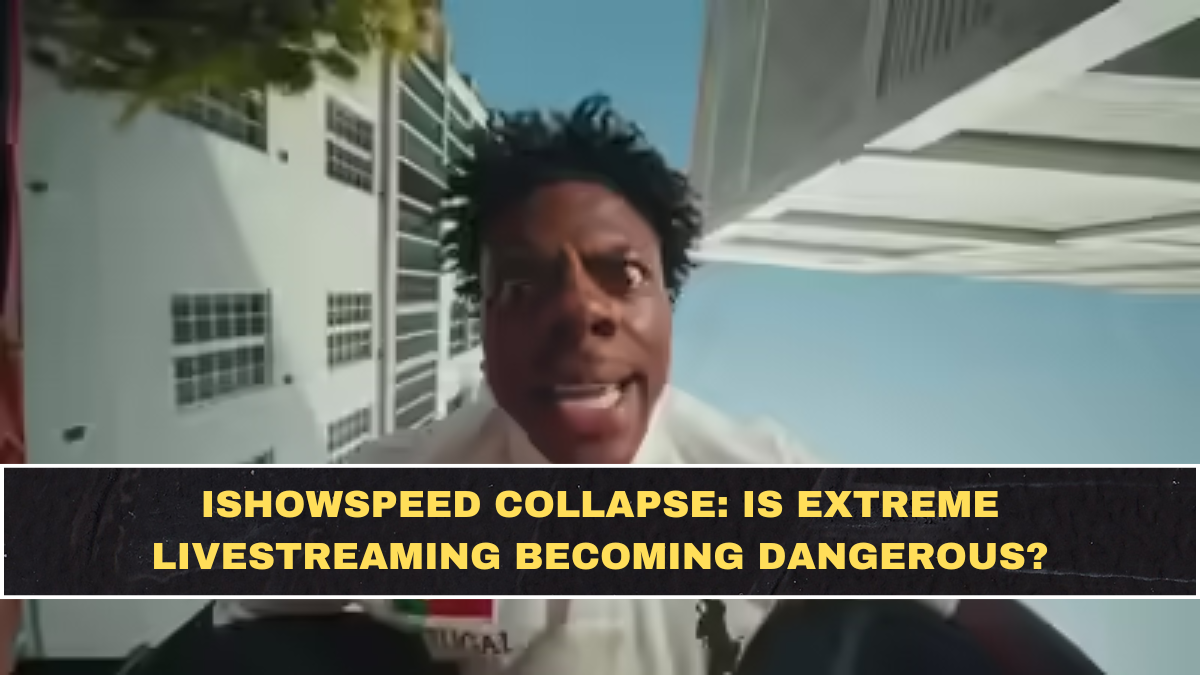
IShowSpeed is trending after appearing to collapse during a livestream in St. Maarten while on his Caribbean tour. The viral clip showed the 21-year-old creator looking exhausted, holding his face and struggling to stay steady before falling, which immediately worried fans watching online. The stream was reportedly paused after the incident as people nearby rushed to help him.
Times of India reported that IShowSpeed had been streaming for around 12 continuous hours before the collapse. Sportskeeda also reported that a 20-second clip of the moment went viral on April 29, 2026, and that the streamer later reassured fans that he was “good” and “perfectly fine.” That update calmed some concern, but the larger debate around streamer health has not gone away.
What Happened During The Caribbean Tour Livestream?
The incident happened during IShowSpeed’s ongoing Caribbean tour, where he has been travelling across multiple islands and streaming high-energy real-life content. WIC News reported that he had been streaming across four countries in a short period before collapsing later in St. Maarten, with the episode quickly spreading across social media.
This kind of content looks entertaining from the outside, but it is physically demanding. Constant movement, crowd interaction, heat, travel, noise, pressure to perform and hours of live broadcasting can drain the body badly. Fans see the excitement. What they often do not see is the fatigue building behind the camera until something goes wrong.
| Key Detail | Reported Information |
|---|---|
| Creator involved | IShowSpeed, real name Darren Watkins Jr. |
| Location | St. Maarten |
| Tour | Caribbean tour |
| Incident | Appeared to collapse during livestream |
| Stream duration | Around 12 continuous hours reported |
| Fan reaction | Panic and concern online |
| Health update | Later said he was okay |
| Bigger concern | Extreme livestreaming and creator burnout |
Is IShowSpeed Okay Now?
Based on available reports, IShowSpeed later told fans that he was okay. Sportskeeda reported that he said he was “good” and “perfectly fine” after the viral clip spread online. Times of India also said he reassured followers after the alarming moment, easing immediate fears about his health.
Still, “I am okay” after a collapse should not be treated like the issue is over. A public reassurance may calm fans, but it does not erase the physical warning sign. If someone collapses after a long stream, the smart response is rest, medical evaluation and better work boundaries, not simply moving on because the audience wants the next viral moment.
Why Are Long Livestreams So Physically Risky?
Long livestreams are risky because creators are not just sitting quietly in front of a camera anymore. IRL streamers often walk for hours, meet crowds, shout, react, run, travel, eat irregularly and stay mentally switched on the entire time. That creates a heavy physical and nervous-system load.
Unlike a normal job, livestreaming also has audience pressure built into it. If the creator slows down, viewers may leave. If the energy drops, clips stop going viral. That creates a toxic incentive: keep pushing even when the body is clearly tired. This is where extreme livestreaming starts looking less like entertainment and more like endurance labour.
Why Is IShowSpeed Especially Vulnerable To This Pressure?
IShowSpeed’s brand is built on high energy, fast movement, loud reactions and unpredictable real-life moments. That is exactly what made him one of the world’s most recognisable streamers. But it also means fans expect constant intensity. A calm, quiet, low-energy stream may not satisfy the same audience that came for chaos.
This is the trap. The thing that makes a creator successful can also become the thing that damages them. If the audience rewards exhaustion, risk-taking and nonstop performance, the creator may keep raising the stakes. At some point, the body stops negotiating. It forces a pause whether the camera is on or not.
Is Extreme Livestreaming Becoming Dangerous?
Yes, in many cases it is becoming dangerous. IRL livestreaming has moved far beyond gaming chairs and bedroom setups. Creators now travel through crowded public places, interact with fans in unpredictable environments, perform physical challenges and stream for marathon hours. That increases risk for exhaustion, dehydration, accidents, crowd problems and mental burnout.
IShowSpeed has already been involved in several chaotic live-streamed moments in different countries. Times of India reported months earlier that a floating bridge collapsed during one of his Estonia events after hundreds of fans gathered, sparking debate about creator responsibility and crowd safety. That shows the danger is not only personal health; it is also public safety.
What Should Streamers Learn From This Incident?
Streamers should learn that health cannot be treated as content fuel. Long streams need proper planning, hydration, food breaks, rest windows, medical support and crowd-control arrangements. A creator with millions of followers is not just “going live.” They are creating a moving public event with real physical risks.
They also need teams who can say no. If everyone around the creator only cares about views, sponsorships and viral clips, nobody protects the person at the centre of the content machine. A serious team should monitor fatigue, end streams early when needed and stop pretending that collapse-level exhaustion is normal hustle.
What Should Fans Learn From This?
Fans should stop demanding nonstop chaos and then acting shocked when creators break down. Viewers reward extreme behaviour with views, clips and donations, so they are part of the system too. If the audience only celebrates the most exhausting moments, creators will keep pushing toward those moments.
That does not mean fans are personally responsible for every incident. But it does mean viewers should support healthier content habits. When a creator looks tired, fans should not spam “keep going” for entertainment. That is not support. That is treating a human being like a battery-powered performance toy.
What Should Platforms And Sponsors Do?
Platforms and sponsors also need to think seriously about creator health. Long-form livestreams generate attention, but platforms should not passively reward dangerous endurance content without better safety tools. Break reminders, moderation support, emergency contact systems and clearer event-risk guidelines would help.
Sponsors should also be careful. If a brand benefits from a creator’s travel stream, it should care about safety planning, not only impressions. A viral collapse may create attention, but it is not good brand value. It makes the whole content ecosystem look reckless and exploitative.
Conclusion?
IShowSpeed’s collapse during his Caribbean tour livestream worried fans because it showed the physical cost of extreme live content. Reports said he had been streaming for around 12 hours before the incident in St. Maarten, and he later reassured followers that he was okay. That is good news, but it should not end the conversation.
The blunt truth is that extreme livestreaming is becoming a health and safety problem. Creators need rest, teams need boundaries, platforms need responsibility and fans need to stop rewarding exhaustion as entertainment. A viral moment is not worth a creator collapsing on camera.
FAQs
What Happened To IShowSpeed During The Livestream?
IShowSpeed appeared to collapse during a livestream in St. Maarten while on his Caribbean tour. Reports said he looked visibly exhausted before falling, and people nearby quickly came to help him as the clip spread online.
Is IShowSpeed Okay After The Collapse?
Yes, reports said IShowSpeed later reassured fans that he was okay and “perfectly fine.” However, the incident still raised concerns about exhaustion, long streaming hours and the pressure creators face during IRL livestreams.
How Long Was IShowSpeed Streaming Before The Collapse?
Times of India reported that IShowSpeed had been streaming for around 12 continuous hours before the incident. Long streams combined with travel, heat, crowds and constant performance can place serious pressure on a creator’s body.
Why Is Extreme Livestreaming Dangerous?
Extreme livestreaming can be dangerous because creators often stream for long hours while travelling, moving through crowds, shouting, performing and managing audience pressure. This can increase the risk of exhaustion, dehydration, accidents, burnout and public-safety problems.