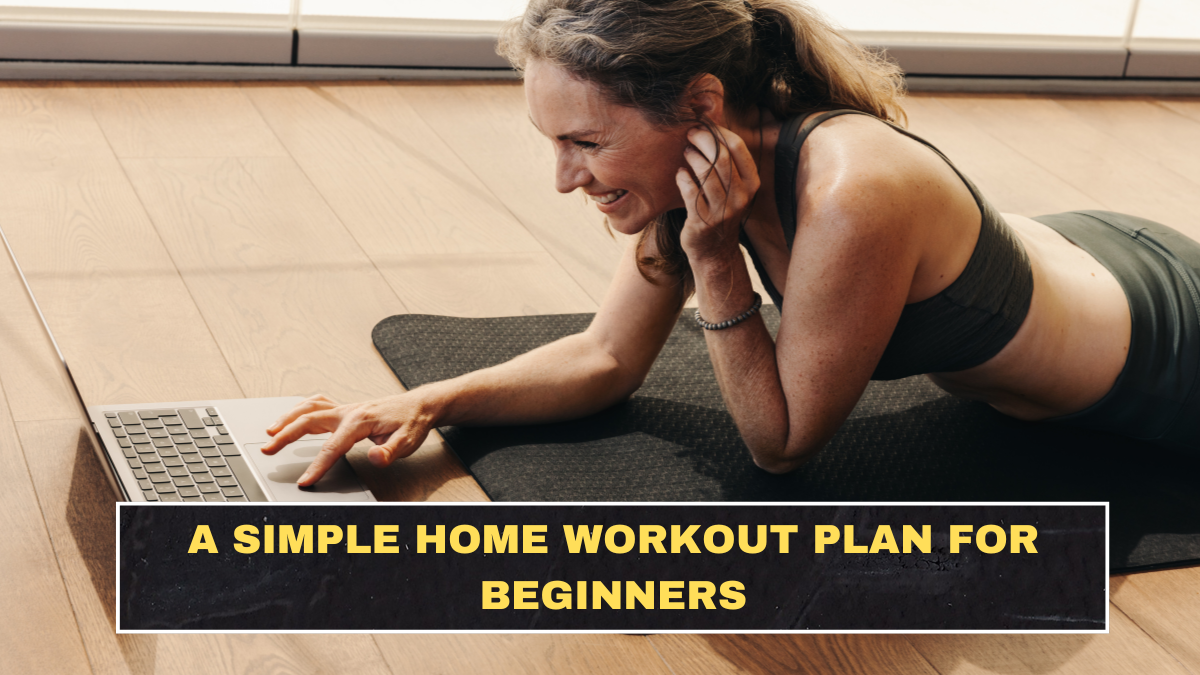
If you are just starting, the best home workout plan is not the hardest one. It is the one you can repeat without dreading it. For most beginners, that means a short routine built around walking in place or light cardio, basic bodyweight moves, and rest days that stop you from quitting after one painful week.
That approach also matches mainstream exercise guidance. WHO says adults should aim for at least 150 minutes of moderate-intensity activity a week and do muscle-strengthening work involving major muscle groups on 2 or more days a week. NHS guidance for adults says the same basic thing and also advises speaking to a doctor first if you have not exercised for some time or have medical concerns.
Quick summary
A good beginner routine at home should be short, simple, and repeatable. Start with 20 to 30 minutes, 3 to 4 times a week.
Do not begin with daily high-intensity workouts. That is how beginners burn out, get too sore, and disappear. A better start is two or three strength-focused sessions plus light walking or mobility on other days.
What this beginner home workout plan includes
| Part of workout | What to do | Why it matters |
|---|---|---|
| Warm-up | 5 minutes of easy movement | Helps prepare the body |
| Strength basics | Squats, wall push-ups, glute bridges, bird-dog | Builds whole-body strength |
| Light cardio | Marching in place, step-ups, brisk walking | Helps stamina and heart health |
| Cool-down | Easy stretching and slow breathing | Helps you finish properly |
| Rest days | 1 day between harder sessions | Helps recovery and consistency |
Start smaller than your ego wants
This is the first mistake beginners make. They try to “make up for lost time” with a punishing routine.
That is dumb. CDC says some physical activity is better than none, and adults can build toward the weekly target over time. That matters because your first goal is not proving toughness. It is building a habit that survives real life.
The best exercises for beginners at home are basic ones
You do not need fancy moves. You need movements that train the major muscle groups safely and clearly.
A practical beginner list is simple: bodyweight squats or chair squats, wall push-ups, glute bridges, bird-dog, and standing marches or brisk walking. WHO and NHS both emphasize muscle-strengthening work across major muscle groups, which is why these basic exercises make sense for a beginner plan.
A simple weekly home workout plan for beginners
| Day | Plan |
|---|---|
| Monday | 20–25 min beginner strength workout |
| Tuesday | 15–20 min brisk walk or easy cardio |
| Wednesday | Rest or light stretching |
| Thursday | 20–25 min beginner strength workout |
| Friday | 15–20 min brisk walk or easy cardio |
| Saturday | 20 min easy full-body session or mobility |
| Sunday | Rest |
This kind of structure works because it is realistic. It also fits the basic public-health advice to spread activity across the week instead of pretending one giant session fixes everything.
A beginner strength session you can do at home
Do 2 rounds of the following:
10 chair squats
8 wall push-ups
10 glute bridges
8 bird-dog reps per side
30 seconds marching in place
Rest for 45 to 60 seconds between exercises if needed.
This is enough for a beginner. You do not need to collapse on the floor for the workout to count. What matters is clean movement, not fake intensity.
Warm-up before you exercise
Beginners often skip this because they want to “get to the real workout.” That is shortsighted.
NHS says warming up before exercise can reduce injury risk. Even a few minutes of marching in place, arm circles, shoulder rolls, and gentle leg movement is better than starting cold.
Walking still counts and should not be treated like a joke
A lot of beginners underestimate walking because it does not look dramatic.
That is nonsense. WHO and NHS both count moderate physical activity toward weekly targets, and brisk walking is one of the easiest ways to build stamina without making the routine feel impossible.
Progress slowly, not emotionally
The right way to progress is boring. That is why it works.
Add one more round. Increase reps slightly. Make the wall push-up a little harder over time. Extend the walk by 5 minutes. CDC says slowly increasing the amount of muscle-strengthening work brings more benefits, which is exactly how beginners should think.
What most beginners should avoid
Do not start with daily HIIT just because it looks efficient.
Do not chase soreness as proof of success. Do not compare your week one body to someone else’s year three body. And do not ignore medical issues if you already know something feels off. NHS specifically says to speak to a doctor first if you have not exercised for some time or have medical concerns.
FAQs
How many days a week should a beginner work out at home?
For most beginners, 3 to 4 workout days a week is a solid start, with strength work on at least 2 days and lighter activity on other days. That fits WHO and NHS guidance on weekly activity and strengthening work.
Is a 20-minute home workout enough for beginners?
Yes. A 20-minute session is enough when you are starting, especially if it helps you stay consistent. CDC also notes that some physical activity is better than none and that the weekly target can be broken up.
Do beginners need equipment for a home workout plan?
No. Bodyweight exercises like chair squats, wall push-ups, bridges, and marching in place are enough to begin. The main goal is to start moving safely and consistently.
Should I work out every day as a beginner?
Not with hard sessions. Beginners usually do better with rest or light-activity days between tougher workouts so recovery does not become the reason they quit.
What should I do before starting if I am very unfit or have health issues?
Speak to a doctor first. NHS says this is especially important if you have not exercised for some time or have medical conditions or concerns.
Final takeaway
A simple home workout plan for beginners should feel doable, not heroic.
If you can manage short full-body sessions, a bit of walking, and steady progress across the week, you are already doing something useful. The best beginner workout is the one you still do next week.