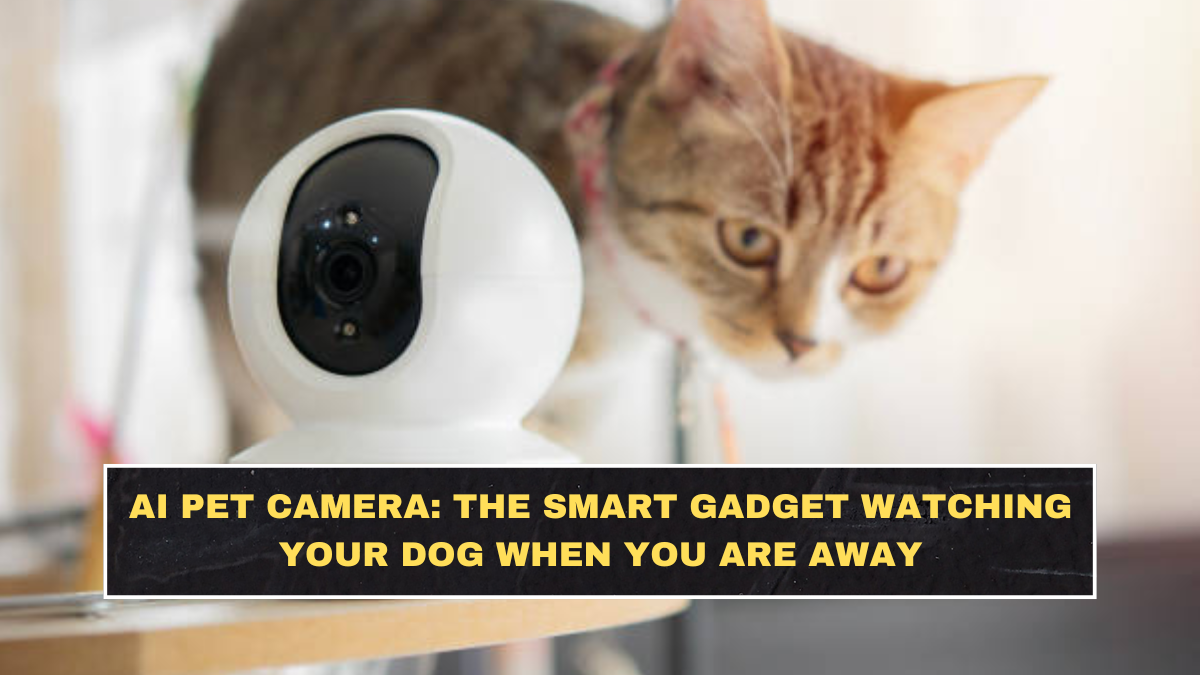
An AI pet camera is a smart home camera designed specifically for pet owners. Unlike a regular security camera, it can recognise pet movement, send alerts, allow two-way audio, track activity, toss treats, record clips, and sometimes detect barking, meowing, eating, drinking, or unusual behaviour. In simple terms, it helps owners check on pets when they are at work, travelling, or away from home.
The category is growing because pets are now treated more like family members, especially in urban homes where dogs and cats may spend long hours alone. The smart pet camera market was valued at USD 3.6 billion in 2026 and is projected to reach USD 6.47 billion by 2030, growing at a 15.8% compound annual growth rate.
But let’s be realistic. An AI pet camera is not a babysitter, trainer, vet, or emotional replacement for the owner. It is a monitoring and interaction tool. If your pet has serious separation anxiety, destructive behaviour, medical issues, or fear-based barking, a camera may help you observe the problem, but it will not solve the root cause by itself.
How Does An AI Pet Camera Work?
An AI pet camera works by combining a camera, microphone, speaker, motion detection, app alerts, and sometimes computer vision. The device sits inside the home and watches the area where the pet usually stays. When it detects movement, barking, or other activity, it can send a phone notification to the owner.
Many pet cameras also include two-way audio, so owners can speak to their dog or cat remotely. Some models add treat tossing, auto tracking, night vision, or rotating views. Furbo, for example, promotes features such as treat tossing, auto tracking, rotating camera movement, and pet-focused engagement for dogs and cats.
| Feature | What It Does | Why Pet Owners Like It |
|---|---|---|
| Live video | Lets owners check pets remotely | Gives peace of mind |
| Bark or sound alerts | Sends notifications when noise is detected | Helps spot anxiety or disturbance |
| Two-way audio | Lets owners talk to pets | Can calm or redirect some pets |
| Treat tossing | Dispenses treats remotely | Makes interaction more fun |
| Auto tracking | Follows pet movement in frame | Reduces blind spots |
| Night vision | Shows pets in low light | Useful for late-night monitoring |
Why Are Pet Owners Buying AI Pet Cameras?
Pet owners are buying AI pet cameras because modern work life keeps many people away from home for long hours. Office work, commuting, travel, and social plans can leave pets alone, especially dogs that are emotionally attached to their owners. A camera gives owners a way to check whether the pet is sleeping, barking, pacing, chewing furniture, or looking stressed.
Wired’s 2026 pet camera guide notes that pet cameras can give owners peace of mind and that pet-focused models add features beyond normal home security cameras, including pet tracking, play features, and treat dispensing.
There is also a guilt factor. Many pet owners feel bad leaving their dog or cat alone. A camera gives them a sense of control. That is understandable, but it can become unhealthy if the owner checks the app every ten minutes. The camera should reduce anxiety, not create a new obsession.
Can AI Pet Cameras Help With Separation Anxiety?
AI pet cameras can help owners notice signs of separation anxiety, but they do not automatically fix it. If a dog barks continuously, paces, scratches doors, chews furniture, urinates indoors, or refuses to settle when alone, the camera can capture that pattern. That information may help owners, trainers, or vets understand what happens after the owner leaves.
Some AI pet tech products claim to detect anxiety-like behaviours through barking, movement, stress patterns, and behaviour tracking. Pet care discussions around AI tools often highlight their ability to alert owners when unusual behaviour appears.
Still, the hard truth is this: talking through a speaker or tossing treats may calm some pets briefly, but it can also excite or confuse others. If a dog becomes more distressed hearing the owner’s voice without seeing them return, the feature may backfire. Serious separation anxiety needs gradual training, routine changes, enrichment, exercise, and sometimes professional help.
What Are The Best Uses Of An AI Pet Camera?
The best use of an AI pet camera is observation. It helps you understand what your pet actually does when you are not home. Many owners assume their dog sleeps all day, then discover the dog barks for hours. Others assume the cat is inactive, then see nighttime activity, food stealing, or litter-box issues.
AI pet cameras are also useful for puppies, senior pets, recovering pets, and newly adopted animals. A puppy may chew dangerous items. A senior dog may struggle to stand or move. A recovering pet may lick stitches or avoid food. A camera helps owners catch these things earlier.
The Verge recently reported that Petkit introduced AI-powered pet care devices with cameras that track eating and drinking behaviour, showing how pet monitoring is expanding beyond simple video into health-adjacent tracking. That trend suggests the future of pet cameras may be less about cute clips and more about behaviour and wellness data.
What Should You Check Before Buying One?
Before buying an AI pet camera, check video quality, field of view, night vision, app reliability, subscription costs, storage options, privacy settings, audio quality, treat dispenser design, and whether the device works well in your country. A camera with great hardware but a bad app will frustrate you quickly.
Subscription fees are a major trap. Some cameras advertise smart alerts, cloud clips, bark detection, or AI features, but lock the best tools behind paid plans. Read the pricing carefully before buying. A cheap camera can become expensive if the useful features require monthly payments.
Also check whether your pet actually needs interactive features. A cat may not care about two-way audio. A nervous dog may hate sudden treat-tossing sounds. A food-obsessed dog may attack the device. The best gadget is the one that fits your pet’s behaviour, not the one with the longest feature list.
Are There Privacy And Safety Concerns?
Yes, privacy and safety concerns matter. Any internet-connected camera inside your home can create privacy risk if the app, password, cloud storage, or device security is weak. Choose reputable brands, use strong passwords, enable two-factor authentication where available, and avoid placing the camera where it captures sensitive private areas.
Safety matters too. Treat dispensers should not replace meals or be used excessively. If the camera has small parts, cables, or a removable container, keep it secure so the pet cannot chew or knock it down. For strong dogs, wall mounting or shelf placement may be safer than placing it on the floor.
The uncomfortable truth is that many people buy smart devices without thinking about data. A camera watching your living room is not the same as a toy. If you care about privacy, read the app permissions and storage policy instead of blindly accepting everything during setup.
Conclusion?
AI pet cameras are becoming popular because they give owners visibility, alerts, and remote interaction when pets are alone. They can help monitor barking, movement, eating, drinking, play, and unusual behaviour, especially for puppies, anxious pets, senior animals, and busy owners.
But this gadget has limits. It cannot replace training, exercise, routine, companionship, or veterinary care. Used properly, it gives useful insight and peace of mind. Used badly, it becomes an expensive anxiety machine for the owner and a confusing device for the pet. Buy it for monitoring and better care, not as a shortcut for responsible pet parenting.
FAQs
What Is An AI Pet Camera?
An AI pet camera is a smart camera designed to monitor pets at home. It can offer live video, motion alerts, bark detection, two-way audio, treat tossing, auto tracking, and app-based notifications.
Can An AI Pet Camera Help With Dog Anxiety?
It can help you observe anxiety signs such as barking, pacing, chewing, or restlessness. However, it does not cure separation anxiety by itself. Serious anxiety needs training, routine changes, enrichment, and sometimes professional support.
Is A Pet Camera Better Than A Normal Security Camera?
A pet camera is better if you want pet-specific features like bark alerts, treat tossing, auto tracking, two-way audio, or behaviour clips. A normal security camera may be enough if you only want basic live video.
What Should You Check Before Buying An AI Pet Camera?
Check video quality, night vision, app reviews, subscription costs, privacy settings, treat dispenser safety, two-way audio, cloud storage, and whether the features match your pet’s behaviour.