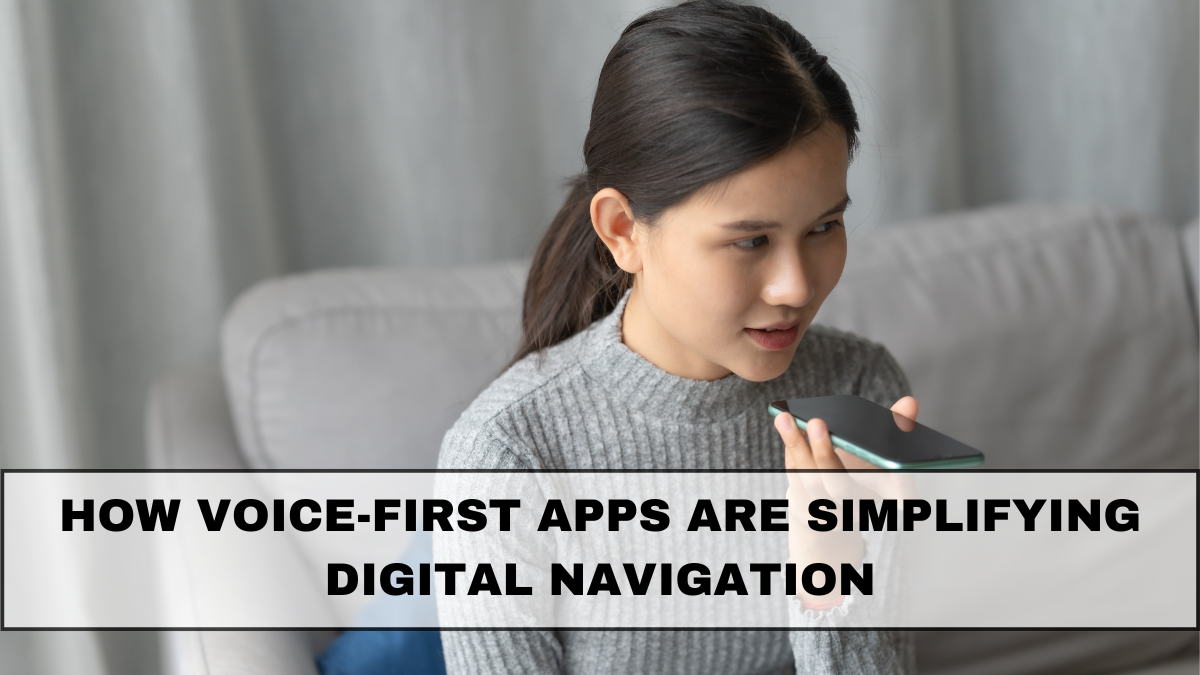
In the digital era, efficiency and accessibility are crucial for app users. Voice-first apps have emerged as a powerful solution, allowing users to navigate digital platforms, search information, and perform tasks using voice commands. In 2025, these apps are transforming mobile and smart device experiences, making technology more intuitive and inclusive.

What Are Voice-First Apps?
Voice-first apps are applications designed primarily for interaction through voice commands rather than traditional touch or keyboard inputs. They rely on technologies such as speech recognition, natural language processing (NLP), and artificial intelligence to understand and respond to user requests. Key features include:
-
Voice Commands: Users can perform actions like sending messages, setting reminders, or navigating apps with spoken instructions.
-
Hands-Free Operation: Eliminates the need for manual input, allowing multitasking or use in situations where hands are busy.
-
Accessibility Enhancements: Benefits users with visual impairments or mobility limitations.
-
Context Awareness: Modern voice-first apps understand context, intent, and user preferences for accurate responses.
-
Integration with Devices: Compatible with smartphones, smart speakers, wearables, and IoT devices.
These features make voice-first apps a cornerstone of modern digital navigation, enhancing both convenience and inclusivity.
Benefits of Voice-First Apps for Users
Voice-first apps provide multiple advantages, particularly in fast-paced and mobile-first environments:
-
Faster Navigation
Users can open apps, switch screens, or access content instantly using voice commands, saving time compared to manual input. -
Improved Accessibility
Voice-first technology ensures digital platforms are usable for people with disabilities, creating a more inclusive experience. -
Hands-Free Convenience
Ideal for driving, cooking, or exercising, allowing users to interact with apps safely and efficiently. -
Enhanced Productivity
Voice commands speed up tasks such as sending messages, taking notes, setting reminders, and searching for information. -
Natural Interaction
Speaking is intuitive, and voice-first apps create a human-like interface for seamless user engagement. -
Smart Integration
Apps can sync with calendars, smart home devices, and other apps to provide a cohesive voice-controlled ecosystem.
How Voice-First Apps Work
Voice-first apps operate through several technological layers:
-
Speech Recognition: Converts spoken words into digital text.
-
Natural Language Processing (NLP): Understands user intent and context.
-
Voice Feedback: Provides responses or confirmations through speech or audio cues.
-
AI Integration: Predicts user needs, offers suggestions, and learns preferences over time.
-
Cloud Connectivity: Ensures updates, data processing, and cross-device synchronization.
These components combine to create a responsive and adaptive user experience, making navigation faster and more convenient than ever before.
Why Voice-First Apps Are Trending in 2025
The popularity of voice-first apps is rising due to several factors:
-
Increased Mobile Usage: As smartphones and tablets dominate digital interactions, hands-free options improve usability.
-
Advances in AI and NLP: Improved speech recognition and context understanding make voice apps more reliable.
-
Demand for Accessibility: Companies are prioritizing digital inclusion for visually impaired and elderly users.
-
Smart Home Expansion: Voice apps integrate seamlessly with smart devices, enhancing daily convenience.
-
Time-Saving Needs: Consumers seek faster, more efficient ways to navigate apps and complete tasks.
These factors are fueling widespread adoption of voice-first apps across both consumer and enterprise sectors.
Popular Use Cases
Voice-first apps are reshaping how people interact with digital services:
-
Navigation Apps: Users can get directions, search locations, and explore nearby services hands-free.
-
Messaging and Communication: Sending messages, emails, or calls without typing.
-
E-Commerce: Searching for products, checking prices, and placing orders using voice commands.
-
Smart Home Control: Managing lights, temperature, and appliances through connected apps.
-
Healthcare Apps: Accessing medical information, scheduling appointments, or receiving reminders via voice.
-
Productivity Tools: Taking notes, setting reminders, and organizing tasks efficiently with minimal effort.
By supporting these scenarios, voice-first apps enhance usability, convenience, and engagement across daily life and work.
Challenges and Considerations
Despite their advantages, voice-first apps face certain challenges:
-
Accurate Speech Recognition: Accents, background noise, and speech impediments can affect accuracy.
-
Privacy Concerns: Continuous voice monitoring may raise security and data protection issues.
-
Learning Curve: Some users may require time to adapt to voice commands effectively.
-
Device Compatibility: Not all apps or devices are fully optimized for voice-first navigation.
-
Limited Context Understanding: Complex or ambiguous commands may still require manual interaction.
Addressing these issues ensures better user satisfaction and wider adoption.
Future of Voice-First Apps
The future of voice-first apps in 2025 and beyond includes:
-
Enhanced AI Understanding: Smarter NLP to handle complex commands and multi-step tasks.
-
Cross-Platform Integration: Seamless use across smartphones, wearables, and home devices.
-
Personalized Experiences: Apps learning individual speech patterns, preferences, and habits.
-
Expanded Accessibility Features: Greater support for differently-abled users.
-
Voice Commerce Expansion: Hands-free shopping experiences becoming more sophisticated and secure.
These advancements will make digital navigation more intuitive, inclusive, and efficient, transforming the way users interact with apps globally.
FAQs
What are voice-first apps?
Voice-first apps are applications designed to allow users to navigate and perform tasks primarily using voice commands instead of touch or typing.
Why are voice-first apps popular in 2025?
They offer hands-free convenience, faster navigation, accessibility for differently-abled users, and integration with smart devices, aligning with modern lifestyle needs.
Are voice-first apps safe for privacy?
While generally secure, users should be aware of data collection and use apps with strong privacy policies to protect personal information.
Can voice-first apps be used for work productivity?
Yes, these apps are effective for scheduling, task management, messaging, and document handling, making them ideal for professionals.
What is the future of voice-first apps?
They will become smarter, more personalized, and seamlessly integrated across devices, providing enhanced accessibility, AI-driven insights, and hands-free digital navigation.
Click here to know more.