Most creators blame the algorithm. That’s convenient—and wrong. In 2026, reels fail for one reason: weak openings. The platform is ruthless about attention, and the first two seconds decide everything. Viral reels hooks 2026 are not about shouting louder; they’re about signaling value instantly and then earning the viewer’s time.
This guide breaks down the hook logic that works now, shows how retention is actually built, and gives you a practical structure you can repeat—without spamming bullet lists or chasing trends blindly.
Why Hooks Matter More Than Ever in 2026
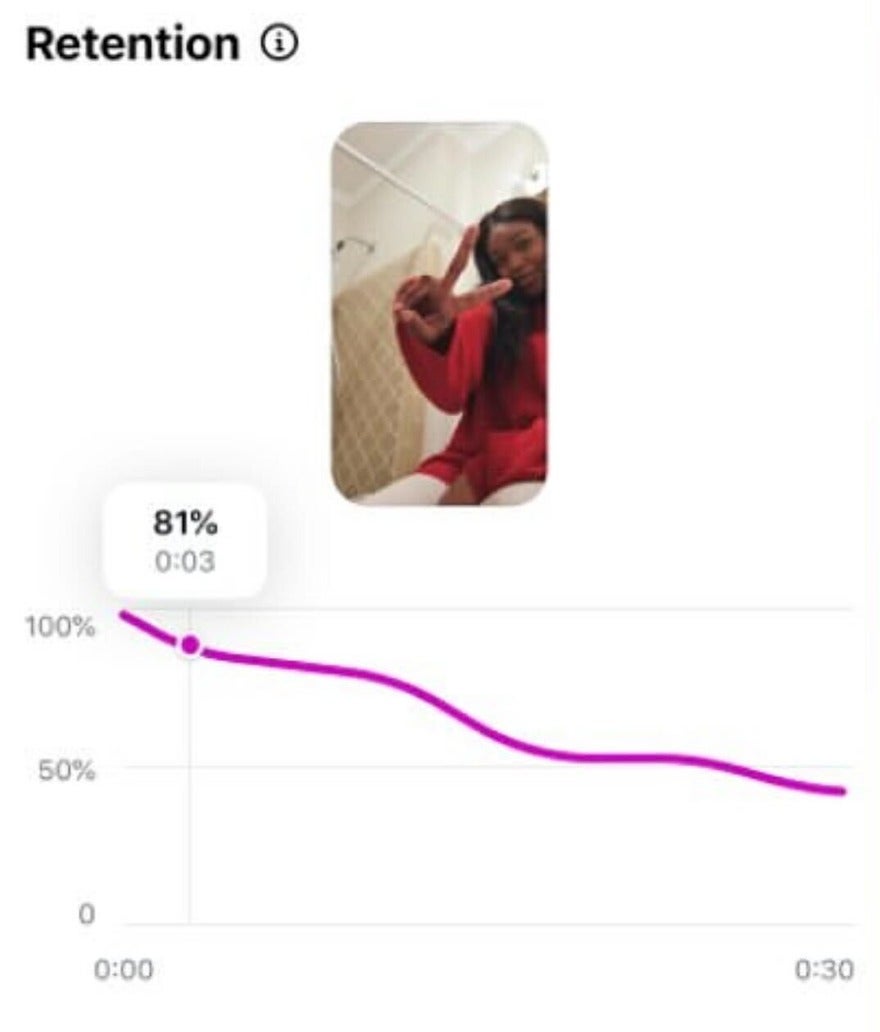
Reels are no longer discovery-only. They’re a test. Instagram measures whether viewers stay after the first swipe, then whether they continue watching after the first beat. A strong hook buys you attention; a weak one ends the reel before it starts.
Creators who understand viral reels hooks 2026 design the opening frame like a headline—not a warm-up.
What a “Hook” Actually Is (And What It Isn’t)
A hook is a promise. It tells the viewer exactly why the next few seconds are worth watching. It is not mystery for mystery’s sake, and it’s not a generic “wait till the end.”
Effective hooks are specific, outcome-driven, and visually legible at thumb speed. If your hook can’t be understood without sound, it’s already losing.
The 3-Part Retention Structure That Works
Reels that perform consistently follow the same structure.
First comes the hook: a clear promise in the opening two seconds.
Then comes proof: quick visuals or statements that show you can deliver.
Finally, the payoff: a conclusion that feels complete—or loops cleanly back to the start.
This structure keeps viewers watching because each segment earns the next.
Hook Categories That Perform in 2026
Instead of random ideas, use categories. They scale.
Problem-led hooks identify a pain instantly. Result-led hooks show a transformation upfront. Curiosity-led hooks ask a precise question. Authority-led hooks establish credibility in one line. Contrarian hooks challenge a common belief.
Pick one category per reel. Mixing them dilutes clarity.
50 Hook Ideas You Can Adapt Instantly
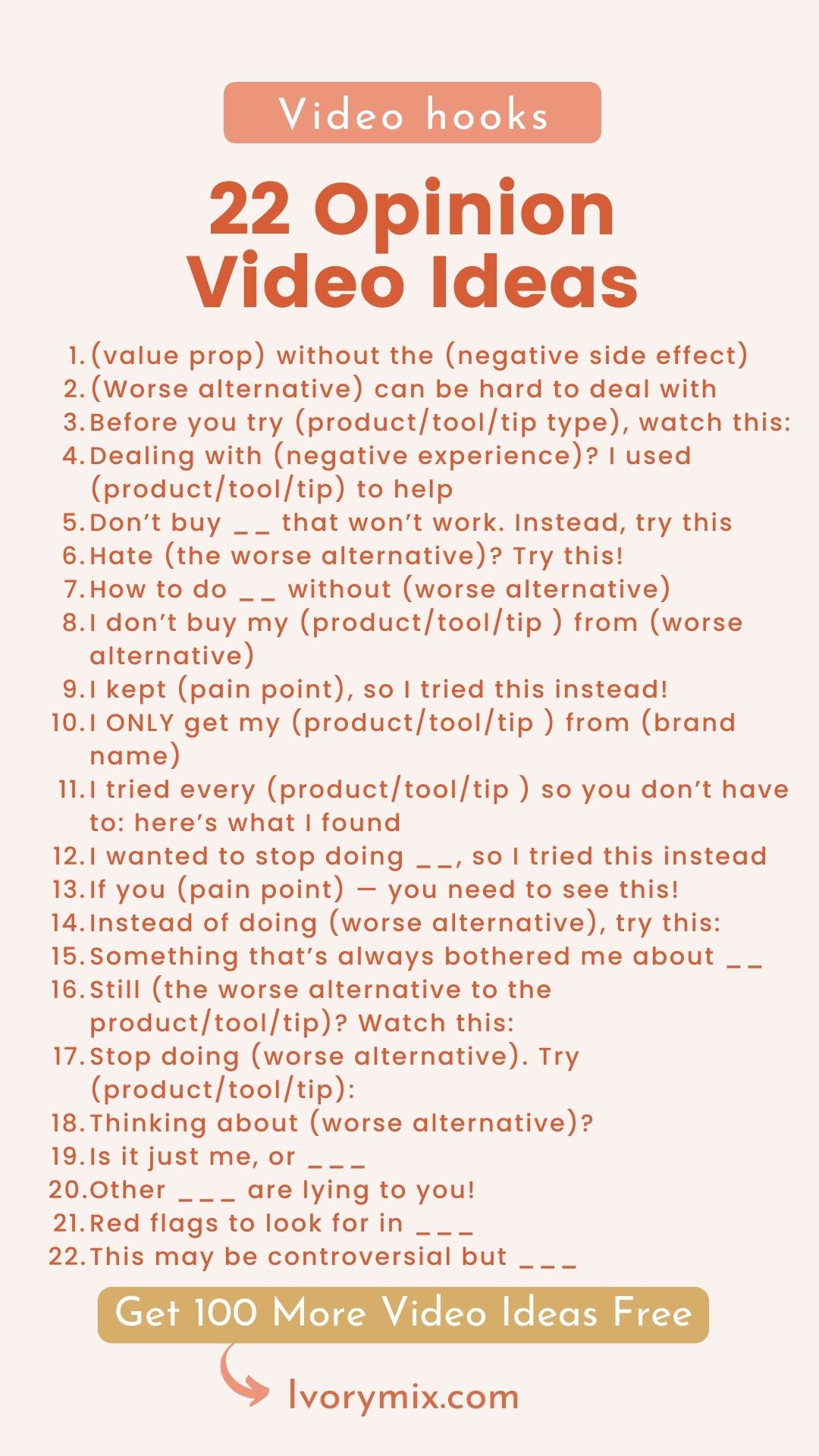
You don’t need to copy text—copy logic. Here are adaptable hook angles that work across niches:

“Most people do this wrong—and here’s the fix.”
“This works even if you’ve failed before.”
“Stop scrolling if you want faster results.”
“The mistake nobody warns you about.”
“What changed everything for me.”
“You don’t need more tools—just this.”
“This saved me hours every week.”
“I wish I knew this earlier.”
“Here’s why your last reel flopped.”
Now multiply those by outcomes in your niche. That’s how you get to 50+ without repeating yourself.
Visual Hooks Beat Text Hooks (But You Need Both)
In 2026, viewers read and scan. The strongest reels combine a visual cue with a short text promise. A surprising visual without context confuses. Text without movement feels static.
Design the first frame to communicate even if someone watches for half a second.
Retention Is Won in the Middle, Not the End
Creators obsess over endings. That’s backward.
Most drop-offs happen in the middle when pacing slows. Cut pauses. Remove filler motion. Tighten sentences. If a line doesn’t add value, it steals attention.
Shorter reels with clean pacing outperform longer reels with fluff—consistently.
Caption Strategy That Supports the Hook
Captions don’t replace hooks; they extend them.
Use captions to:
-
Clarify the promise
-
Add context you didn’t fit on-screen
-
Invite a specific response
Avoid generic captions. Ask for one action, not five.
Looping Without Being Obvious
A clean loop feels accidental. End on a visual or sentence that naturally leads back to the opening frame. When viewers don’t notice the loop, watch time climbs.
Artificial loops feel manipulative—and viewers scroll away.
Why Trends Matter Less Than Structure
Trends spike; structure sustains. A strong hook on a non-trending sound will beat a weak hook on a viral sound every time in 2026.
Build templates you can reuse weekly. Consistency trains the algorithm and your audience.
Posting Frequency vs Quality Reality
More reels don’t fix weak hooks. Fewer, stronger reels do.
If you can’t write a clear promise in one line, don’t post that reel yet.
Common Hook Mistakes to Avoid
Vague openings, delayed context, overlong intros, and text that’s too small are the fastest ways to kill reach. So is copying viral text without matching the outcome.
Clarity beats cleverness.
How to Test Hooks Without Burning Your Audience
Test hooks across similar formats. Change the opening line, not the entire reel. Measure retention at 2 seconds and at midpoint. Keep what holds; discard what doesn’t.
That’s how viral reels hooks 2026 are engineered—not guessed.
Conclusion
Viral reels in 2026 aren’t magic—they’re mechanical. Clear hooks, tight pacing, and honest payoffs win because they respect attention. Stop blaming the algorithm and start designing better openings. When your first two seconds work, everything else gets easier.
Build hooks like headlines. Earn retention like a storyteller.
FAQs
What makes a reel go viral in 2026?
A strong hook, high early retention, and clean pacing throughout.
How long should a hook be?
One clear promise in the first 1–2 seconds.
Do trending sounds still matter?
Less than structure. Strong hooks outperform weak trends.
Should I use text overlays or visuals first?
Use both together for clarity at thumb speed.
How many hooks should I test weekly?
Test a few variations of the opening line on similar formats rather than changing everything at once.