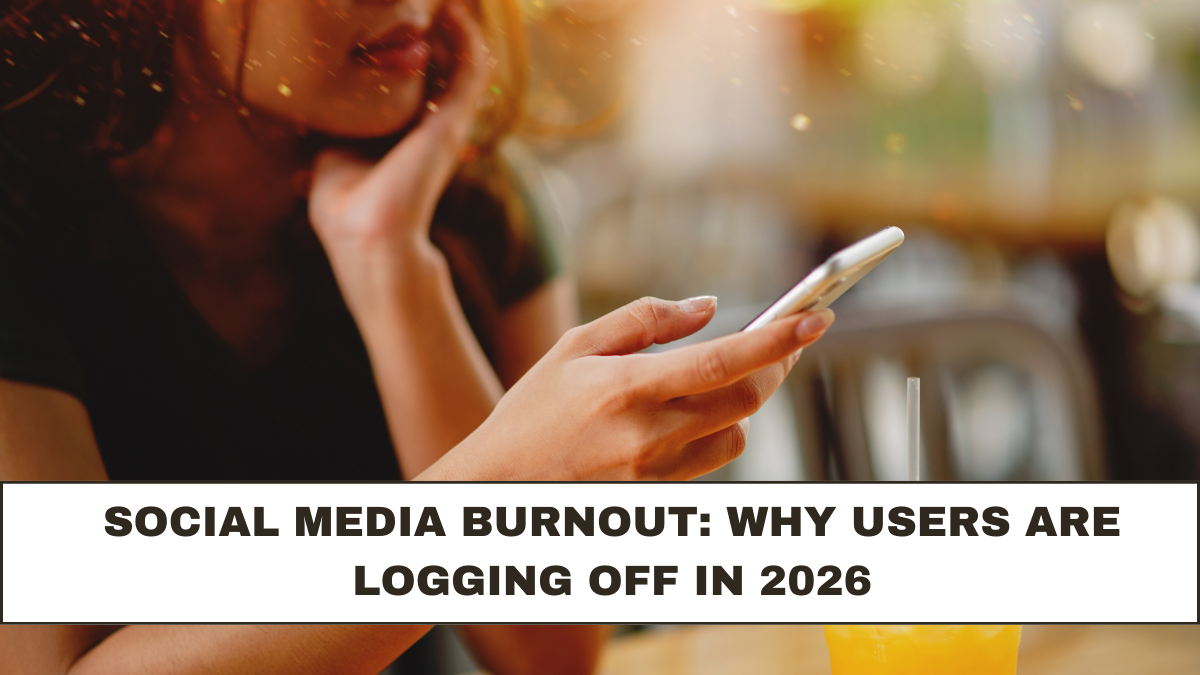
In 2026, social media burnout has become a significant concern as users face constant notifications, endless scrolling, and digital overload. Rising awareness of digital fatigue and its impact on mental health online has led many to reevaluate their social media habits. From students and professionals to influencers, people are noticing the toll excessive screen time takes on focus, emotional wellbeing, and real-life relationships.
Understanding the causes and solutions of social media burnout is essential for maintaining a healthy digital lifestyle in today’s hyperconnected world.

What is Social Media Burnout?
Social media burnout 2026 refers to emotional, mental, and physical exhaustion caused by prolonged social media use. Common symptoms include:
• Feeling overwhelmed by constant notifications and content
• Anxiety or stress from comparing oneself to others online
• Decreased productivity and attention span
• Reduced motivation to engage on social platforms
• Physical symptoms like eye strain, headaches, or sleep disturbances
This trend highlights the need for balance between online and offline life.
Causes of Social Media Burnout
Several factors contribute to the rising social media burnout trend:
• Excessive daily screen time
• Pressure to maintain an online presence or persona
• Exposure to negative news, cyberbullying, or controversial content
• Algorithm-driven feeds encouraging endless scrolling
• Multitasking between work, school, and social media platforms
As a result, users are increasingly recognizing the importance of digital boundaries and mindful usage.
Digital Fatigue and Its Impact
Digital fatigue is closely linked to social media burnout. In 2026, it manifests as:
• Mental exhaustion from constant connectivity
• Decreased attention span and cognitive overload
• Sleep disruption caused by late-night scrolling
• Emotional burnout from content overload and social comparisons
• Increased stress levels and mood swings
Addressing digital fatigue is crucial to maintaining both mental and physical health in the digital age.
How Users Are Coping in 2026
To combat social media burnout 2026, users are adopting several strategies:
• Scheduling social media breaks or digital detoxes
• Limiting screen time with apps and device settings
• Unfollowing accounts that cause stress or negative emotions
• Prioritizing meaningful offline interactions
• Practicing mindfulness, meditation, or journaling
These habits help restore balance, reduce stress, and improve overall wellbeing.
Role of Platforms in Reducing Burnout
Social media companies are also responding to rising burnout:
• Features for tracking screen time and usage patterns
• Options to mute notifications or hide certain content
• Encouraging meaningful interactions over passive scrolling
• AI-based moderation to reduce exposure to harmful content
• Promoting mental health awareness campaigns
Such interventions support users in managing digital fatigue and fostering healthier online experiences.
Conclusion
Social media burnout 2026 highlights the growing impact of digital overexposure on mental health. With rising digital fatigue, users are taking conscious steps to limit usage, focus on meaningful connections, and prioritize wellbeing. By adopting mindful practices, balancing online engagement, and utilizing platform tools, individuals can reduce stress, improve focus, and regain control over their digital lives.
FAQs
What is social media burnout?
It is the emotional and mental exhaustion caused by excessive social media use, leading to stress, fatigue, and reduced engagement.
Why is social media burnout rising in 2026?
Increasing screen time, online pressures, exposure to negative content, and algorithm-driven feeds contribute to the trend.
How does digital fatigue affect mental health?
Digital fatigue can cause anxiety, stress, reduced focus, sleep disturbances, and emotional burnout.
What are effective ways to prevent social media burnout?
Scheduling breaks, limiting screen time, unfollowing stressful accounts, and practicing mindfulness are effective strategies.
Are social media platforms helping reduce burnout?
Yes, by providing tools to track usage, mute notifications, reduce harmful content, and promote mental health awareness.
Click here to know more.