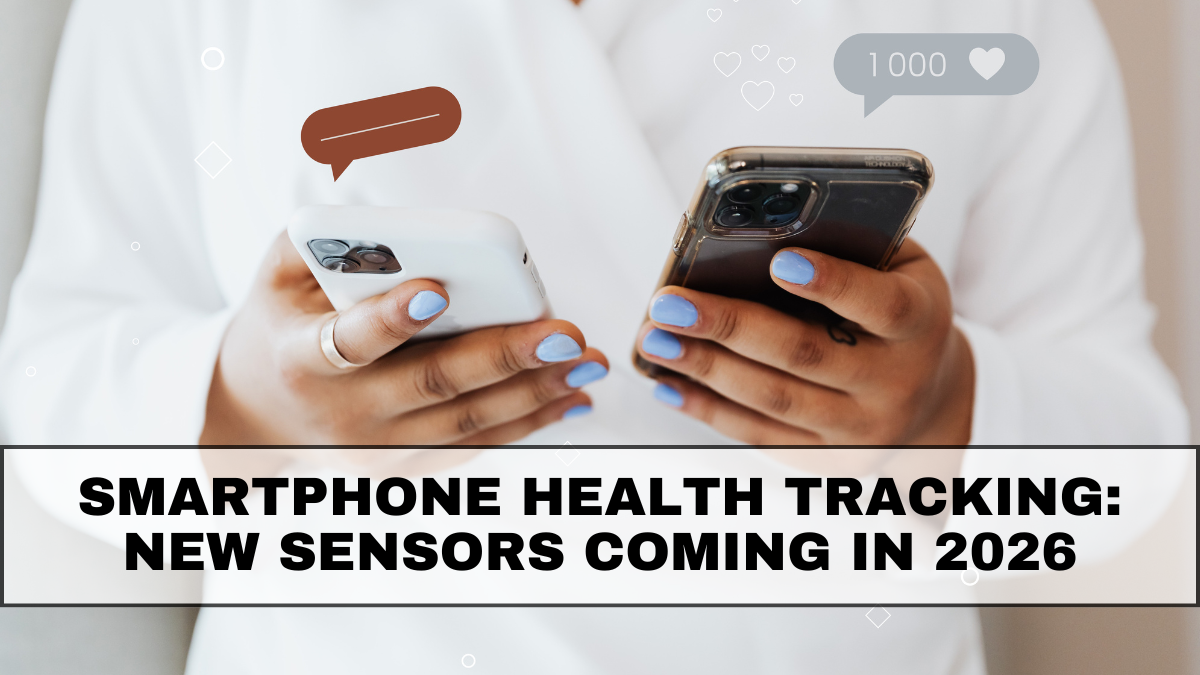
Smartphones are no longer just communication devices; they are rapidly becoming personal health companions. In 2026, smartphone health sensors are expected to revolutionize how we monitor fitness, detect illness, and manage wellness. Equipped with advanced biometric and AI-driven technology, these new sensors will allow users to track vital signs, sleep patterns, and even early symptoms of medical conditions directly from their phones.
With the rise of wearable technology and telemedicine, integrating health sensors into smartphones provides users with convenient, real-time monitoring. This innovation aims to bridge the gap between routine health checks and professional medical consultation, enabling proactive health management.
Key Features of Smartphone Health Sensors
-
Heart Rate and Blood Pressure Monitoring: Advanced sensors track cardiovascular health continuously.
-
Blood Oxygen and Respiratory Analysis: Monitors oxygen levels and breathing patterns to detect early signs of respiratory issues.
-
Glucose Level Tracking: Non-invasive sensors help people with diabetes monitor blood sugar levels without frequent pricking.
-
Sleep and Activity Monitoring: Tracks sleep quality, steps, and overall physical activity for personalized wellness insights.
-
Early Illness Detection: AI analyzes biometric data to flag potential health issues before symptoms worsen.
These features aim to make smartphones a central hub for personal health management, providing actionable insights and reducing reliance on frequent hospital visits.
Benefits for Users
Smartphone health sensors offer users convenience and preventive healthcare benefits. By continuously tracking health metrics, individuals can detect anomalies early, make lifestyle adjustments, and share reliable data with healthcare providers. This reduces emergency visits, improves chronic condition management, and enhances overall wellness.
The integration of AI with these sensors ensures smarter analysis. Patterns in health data are automatically interpreted, offering personalized recommendations and alerting users when medical attention might be needed.
Future Outlook
As smartphone health sensors evolve, their accuracy and range of measurements are expected to improve. New developments may include monitoring hydration levels, stress indicators, and even nutritional deficiencies. With increasing global adoption, these devices could transform healthcare by enabling early diagnosis, remote monitoring, and a more data-driven approach to personal wellness.
Conclusion
Smartphone health sensors in 2026 represent a significant step toward proactive, accessible healthcare. By combining real-time monitoring, AI-driven analysis, and user-friendly interfaces, these devices empower individuals to take control of their health. As technology continues to advance, smartphones will play a vital role in detecting illnesses early, promoting wellness, and reducing the strain on traditional healthcare systems.
FAQs
What are smartphone health sensors?
They are advanced sensors integrated into phones to monitor vital signs, physical activity, and detect potential health issues.
Can these sensors detect serious illnesses?
While not a replacement for professional medical diagnosis, AI analysis of sensor data can flag early signs of health problems.
Do smartphone health sensors require medical training to use?
No, they are designed to be user-friendly, providing simple alerts and recommendations for everyday users.
How accurate are these sensors compared to medical devices?
Many sensors are designed to meet medical-grade standards, but occasional professional verification is recommended for critical conditions.
Will these sensors replace wearable devices?
They complement wearables, but smartphones offer the advantage of integrating multiple health tracking features in one device.