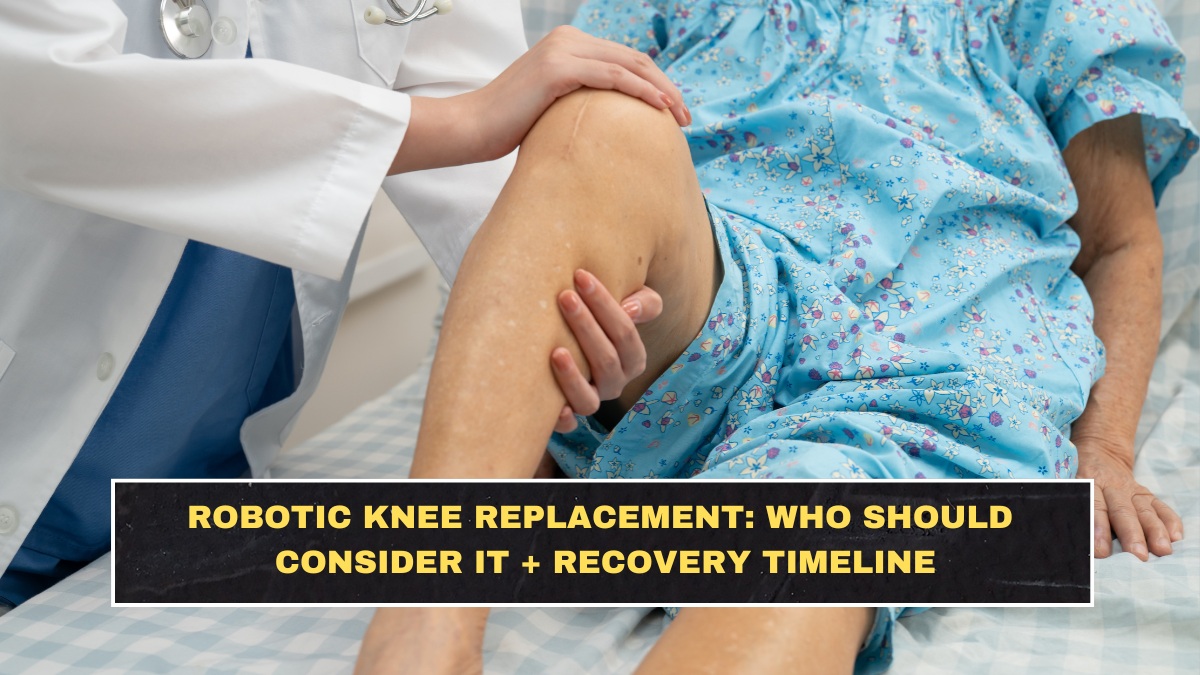
Robotic knee replacement surgery is a modern orthopedic procedure that uses robotic technology to assist surgeons in performing knee joint replacement with greater precision. The goal of this technique is to improve accuracy during surgery, reduce damage to surrounding tissues, and potentially improve recovery outcomes for patients suffering from severe knee joint problems.
Traditional knee replacement surgeries rely entirely on manual surgical techniques. In robotic-assisted procedures, surgeons use computer-guided systems to plan and perform the surgery with higher precision. Despite the name, the robot does not operate independently; the surgeon remains in full control of the procedure.

Why Knee Replacement Is Needed
Knee replacement surgery is typically recommended when the knee joint becomes severely damaged due to medical conditions or injuries. Chronic pain, stiffness, and limited mobility are common symptoms that lead patients to consider surgical treatment.
| Condition | Impact on Knee Joint |
|---|---|
| Osteoarthritis | Gradual cartilage wear |
| Rheumatoid arthritis | Inflammation and joint damage |
| Post-traumatic arthritis | Damage after injury |
| Severe joint degeneration | Loss of joint function |
When non-surgical treatments such as medication or physiotherapy no longer provide relief, doctors may recommend knee replacement surgery.
How Robotic Knee Replacement Works
Robotic-assisted knee surgery uses advanced imaging and computer software to create a detailed surgical plan before the operation begins.
| Step | Explanation |
|---|---|
| Pre-surgery imaging | CT or MRI scans map the knee joint |
| Surgical planning | Computer system designs implant placement |
| Robotic guidance | System assists surgeon during operation |
| Implant positioning | Artificial joint components are placed precisely |
This process aims to improve alignment and positioning of the artificial knee joint.
Advantages of Robotic Knee Replacement
Many hospitals and orthopedic surgeons have adopted robotic technology because it offers potential benefits compared to traditional surgery.
| Advantage | Benefit |
|---|---|
| Higher precision | Improved implant placement |
| Less tissue damage | Smaller surgical adjustments |
| Improved joint alignment | Better movement after surgery |
| Potential faster recovery | Reduced trauma during operation |
However, outcomes still depend on the surgeon’s experience and the patient’s overall health condition.
Robotic Knee Replacement vs Traditional Surgery
Understanding the differences between robotic-assisted surgery and traditional knee replacement helps patients evaluate treatment options.
| Feature | Traditional Surgery | Robotic Surgery |
|---|---|---|
| Surgical planning | Manual measurements | Computer-assisted planning |
| Precision level | Surgeon estimation | Robotic guidance |
| Implant alignment | Standard tools | Advanced positioning technology |
| Technology use | Limited | Computer navigation systems |
Both methods can produce successful outcomes when performed by experienced surgeons.
Recovery Timeline After Surgery
Recovery varies from patient to patient depending on age, health condition, and rehabilitation efforts.
| Recovery Stage | Typical Timeline |
|---|---|
| Hospital stay | 2–4 days |
| Walking with support | 1–2 weeks |
| Physiotherapy program | 4–6 weeks |
| Return to daily activities | 6–12 weeks |
Following rehabilitation exercises and medical advice is crucial for successful recovery.
Cost of Robotic Knee Replacement in India
The cost of robotic-assisted knee surgery can vary depending on the hospital, city, and implant type used.
| City Type | Estimated Cost Range |
|---|---|
| Tier 1 cities | ₹3.5 – ₹6 lakh |
| Tier 2 cities | ₹3 – ₹5 lakh |
| Premium hospitals | ₹5 – ₹7 lakh |
Insurance coverage may reduce the overall financial burden for eligible patients.
Who Should Consider Robotic Knee Replacement
Doctors usually recommend robotic knee replacement for patients who experience severe knee joint damage and significant pain affecting daily life.
| Patient Category | Typical Indicators |
|---|---|
| Severe arthritis patients | Chronic pain and stiffness |
| Elderly individuals | Joint degeneration |
| Patients with mobility issues | Difficulty walking or climbing stairs |
| Failed non-surgical treatments | Medication and therapy ineffective |
A thorough medical evaluation is necessary before deciding on surgery.
Questions Patients Should Ask Their Doctor
Before undergoing robotic knee replacement surgery, patients often discuss several important questions with their orthopedic surgeon.
| Question | Purpose |
|---|---|
| Is surgery necessary now? | Understand urgency |
| What are the risks? | Evaluate safety |
| What is the recovery plan? | Prepare rehabilitation |
| What implant type will be used? | Understand procedure details |
Clear communication with the healthcare provider helps patients make informed decisions.
Conclusion
Robotic knee replacement represents a significant advancement in orthopedic surgery, offering improved precision and potentially better surgical outcomes. While the technology enhances surgical planning and accuracy, successful recovery still depends on factors such as the patient’s health condition, rehabilitation commitment, and the expertise of the surgeon.
For patients suffering from severe knee pain or joint damage, robotic-assisted surgery may provide a promising option for restoring mobility and improving quality of life.
FAQs
What is robotic knee replacement surgery?
It is a knee replacement procedure where surgeons use robotic-assisted technology to improve surgical precision.
Is robotic knee replacement better than traditional surgery?
Both methods can be effective, but robotic systems may help improve implant alignment and surgical accuracy.
How long does recovery take after knee replacement?
Most patients resume normal daily activities within 6–12 weeks, depending on rehabilitation progress.
Is robotic knee replacement available in India?
Yes, many advanced hospitals in India now offer robotic-assisted orthopedic surgery.
Is robotic knee replacement expensive?
The cost varies but typically ranges between ₹3 lakh and ₹7 lakh depending on the hospital and location.