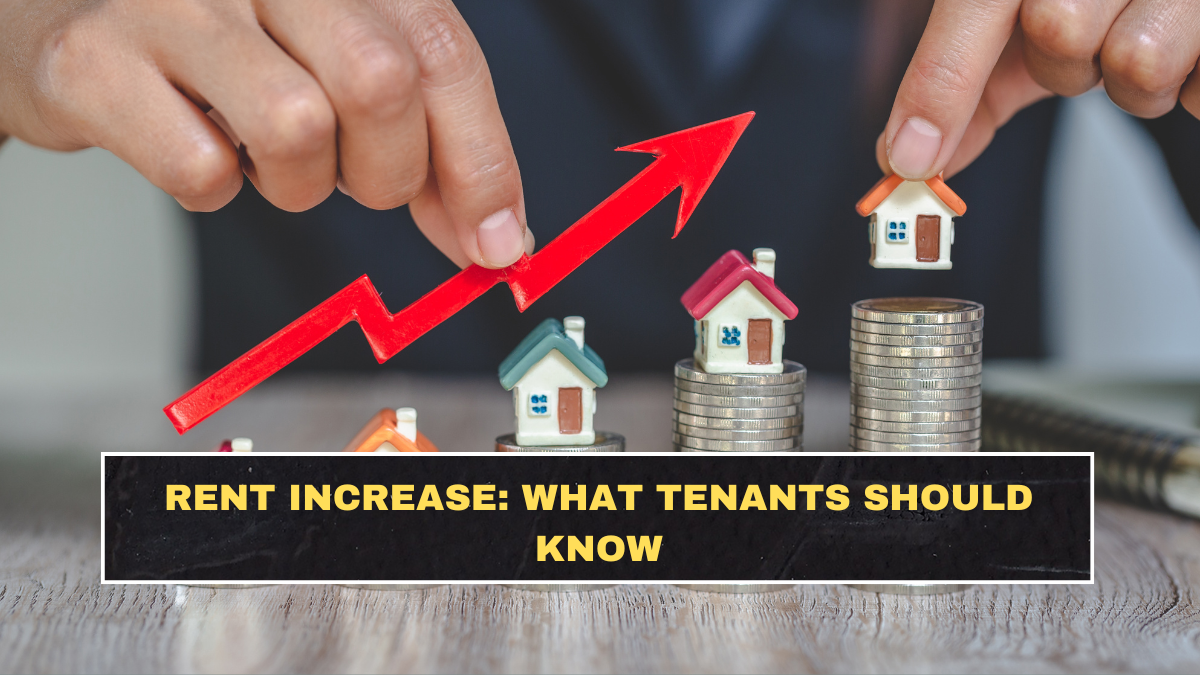
Your salary increased… but your rent increased faster.
And suddenly, a bigger part of your income is going just into having a place to live.
This is happening across cities, and most tenants feel stuck. You can’t just stop paying rent, and moving isn’t always easy. But if you don’t understand why rents are rising, you won’t be able to manage it smartly.
Why This Matters
Rent is usually the biggest monthly expense for most people living in cities. When it increases, everything else—savings, lifestyle, and financial planning—gets affected.
Unlike other expenses, rent is fixed and recurring. That means even a small increase has a long-term impact on your budget.
Main Explanation
Let’s break this down simply so you understand the situation clearly.
Rent increases when demand for housing is higher than supply. In simple words, more people want houses than the number of houses available.
Now think about city growth.
More jobs → More people moving in → Higher demand for homes → Rent increases
At the same time, landlords also increase rent due to:
-
Property value appreciation
-
Maintenance costs
-
Market trends
So rent doesn’t increase randomly—it follows demand, location, and economic conditions.
Table: Factors Affecting Rent Increase
| Factor | What It Means | Impact on Rent |
|---|---|---|
| High demand | More people need housing | Prices go up |
| Location | Prime areas cost more | Higher rent |
| Property value | Real estate appreciation | Increased rent |
| Maintenance cost | Repairs and upkeep | Added cost |
| Inflation | Overall cost rise | Gradual increase |
What’s Happening
Urban areas in India are seeing rising demand for housing due to job opportunities and migration. This is pushing rents higher, especially in major cities.
At the same time, property prices and maintenance costs are also increasing, which encourages landlords to raise rents. This creates a steady upward trend in housing expenses.
What You Should Do
Plan your budget with rent as a priority expense.
If possible, negotiate rent with your landlord instead of accepting increases immediately.
Also consider alternative locations where rent may be lower but still manageable.
Common Mistakes
The biggest mistake is not planning for rent increases.
Another mistake is choosing expensive locations beyond budget.
People also ignore negotiation opportunities.
What to Watch Next
Watch housing demand trends in your city.
Also monitor changes in property prices and rental patterns.
Reality Check
Here’s the blunt truth.
Rent will not decrease just because your salary is not increasing.
If you don’t plan your housing cost, it will control your finances.
Conclusion
Rent increases are driven by demand, location, and economic factors. While you can’t control market trends, you can manage your decisions.
Choose wisely, plan ahead, and stay within your budget.
Because your biggest expense should not become your biggest problem.
FAQs
Why is rent increasing in cities?
Due to high demand and rising property costs.
Can I negotiate rent?
Yes, landlords may agree depending on situation.
Should I move if rent increases?
It depends on your budget and alternatives.
Does location affect rent?
Yes, prime areas have higher rent.
Will rent prices decrease?
They usually increase over time.
Click here to know more.