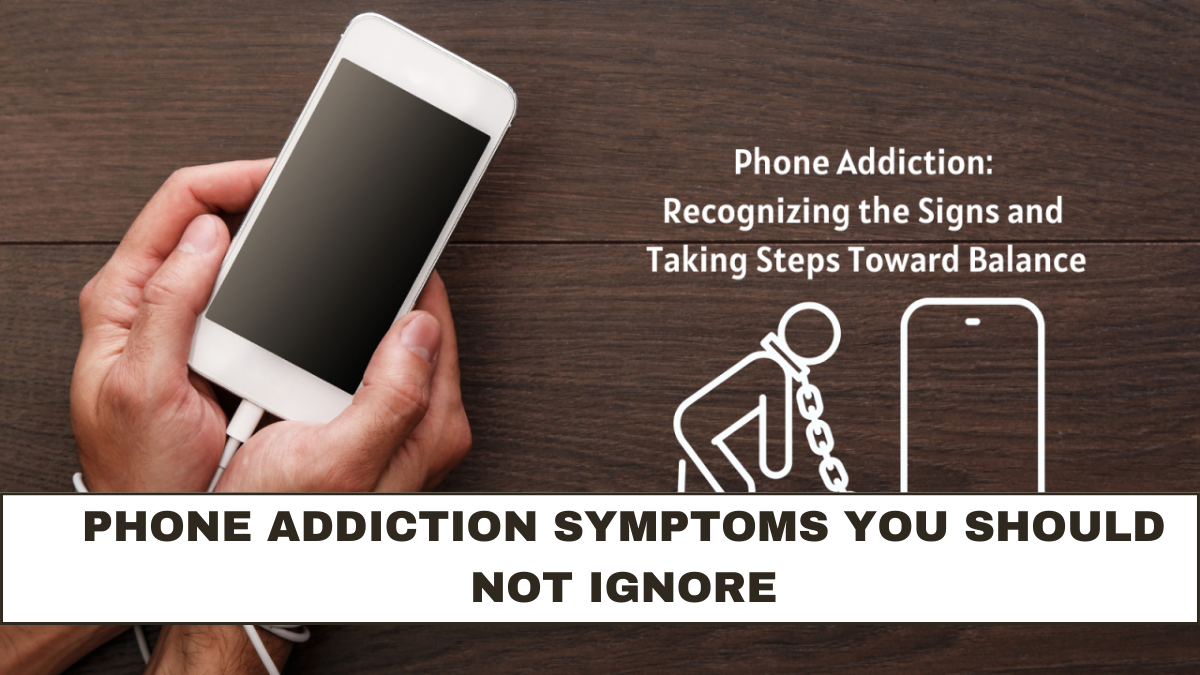
As smartphones become indispensable in daily life, phone addiction symptoms are increasingly common in 2026. Excessive screen time can affect mental health, productivity, relationships, and even physical wellbeing. Recognizing screen addiction signs early is crucial to maintaining a balanced and healthy digital life.
Understanding these symptoms helps individuals regain control over digital habits and prevent long-term negative effects.
Common Phone Addiction Symptoms
1. Constant Checking:
• Feeling the urge to check notifications frequently
• Checking the phone immediately upon waking or during meals
2. Neglecting Responsibilities:
• Missing deadlines, skipping chores, or ignoring work/study tasks
• Prioritizing phone use over important activities
3. Sleep Disturbances:
• Difficulty falling asleep due to screen exposure
• Using the phone late at night despite feeling tired
4. Social Withdrawal:
• Choosing phone interactions over in-person conversations
• Feeling anxious when unable to access the phone
5. Reduced Productivity:
• Difficulty focusing on tasks without distractions
• Multitasking with the phone, leading to lower work quality
6. Emotional Dependency:
• Feeling anxious, irritable, or restless when separated from the device
• Using the phone as a coping mechanism for stress or boredom
Causes Behind Phone Addiction
• Excessive social media scrolling
• Mobile gaming or streaming content for extended periods
• Work-related digital demands
• Habitual notification checking
• Lack of alternative offline activities
How to Manage Phone Addiction
1. Set Screen Time Limits:
• Use built-in device features or apps to monitor and restrict usage
• Set daily caps for social media, games, or video streaming
2. Digital Detox Periods:
• Schedule phone-free hours or full days
• Replace phone use with hobbies, reading, or outdoor activities
3. Mindful Phone Usage:
• Check the phone with purpose rather than habit
• Avoid mindless scrolling or excessive multitasking
4. Adjust Notifications:
• Turn off non-essential alerts
• Use “Do Not Disturb” or silent modes during focus times
5. Seek Support:
• Talk to friends or family about limiting phone use
• Professional help may be needed for severe cases of digital addiction
Benefits of Reducing Phone Addiction
• Improved sleep and mental clarity
• Increased focus and productivity
• Stronger real-life relationships
• Better emotional regulation and reduced anxiety
• Healthier digital habits and balanced lifestyle
Conclusion
Identifying phone addiction symptoms in 2026 is essential to maintaining mental, emotional, and physical wellbeing. By recognizing screen addiction signs and implementing strategies like digital detox, mindful usage, and time limits, individuals can regain control over their digital habits. A balanced approach ensures technology remains a tool, not a source of dependency.
FAQs
What are the common signs of phone addiction?
Constant checking, sleep disturbances, social withdrawal, reduced productivity, and emotional dependency are key indicators.
How can I reduce screen time effectively?
Use screen time monitoring apps, schedule phone-free periods, and practice mindful phone usage.
Can phone addiction affect mental health?
Yes, excessive phone use can lead to anxiety, stress, sleep problems, and reduced focus.
What is a digital detox?
A digital detox is a deliberate period of reduced or no phone use to reset digital habits and improve wellbeing.
When should I seek professional help for phone addiction?
If screen time interferes with work, relationships, or daily life and self-help strategies don’t work, professional support is recommended.
Click here to know more.