Every January feels the same for gamers: trailers everywhere, launch dates overlapping, and a sense that if you don’t buy now, you’ll miss out. A smart gaming releases January strategy isn’t about skipping games—it’s about surviving a crowded release window without draining your wallet or building a backlog you’ll never finish.
The real enemy isn’t lack of time. It’s poor decision sequencing.
Why January Release Months Feel Overwhelming
Studios stack launches for attention, not for your convenience.
January usually brings:
-
Holiday-delayed releases landing together
-
Big titles competing with strong indies
-
Aggressive launch discounts and bundles
This creates pressure to buy before you’ve even played what you own.
Why Buying at Launch Is Rarely Smart
Launch-day excitement fades faster than regret.
Common launch mistakes:
-
Paying full price for unfinished games
-
Discovering performance issues later
-
Losing interest after the hype drops
A solid gaming releases January strategy assumes most games age better—and cheaper.
The Wishlist-First Rule That Saves Money
Your wishlist is your filter.
Do this:
-
Add every interesting game to wishlist
-
Buy none immediately
-
Let reviews and patches land
If a game still excites you after two weeks, it’s probably worth playing.
Separate “Must-Play” From “Nice-to-Try”
Not every good game needs immediate attention.
Classify games into:
-
Must-play now
-
Play later
-
Maybe someday
Most January releases fall into the third category.
How Backlogs Actually Kill Enjoyment
Large backlogs create mental friction.
Symptoms include:
-
Switching games too often
-
Never finishing anything
-
Feeling guilty instead of excited
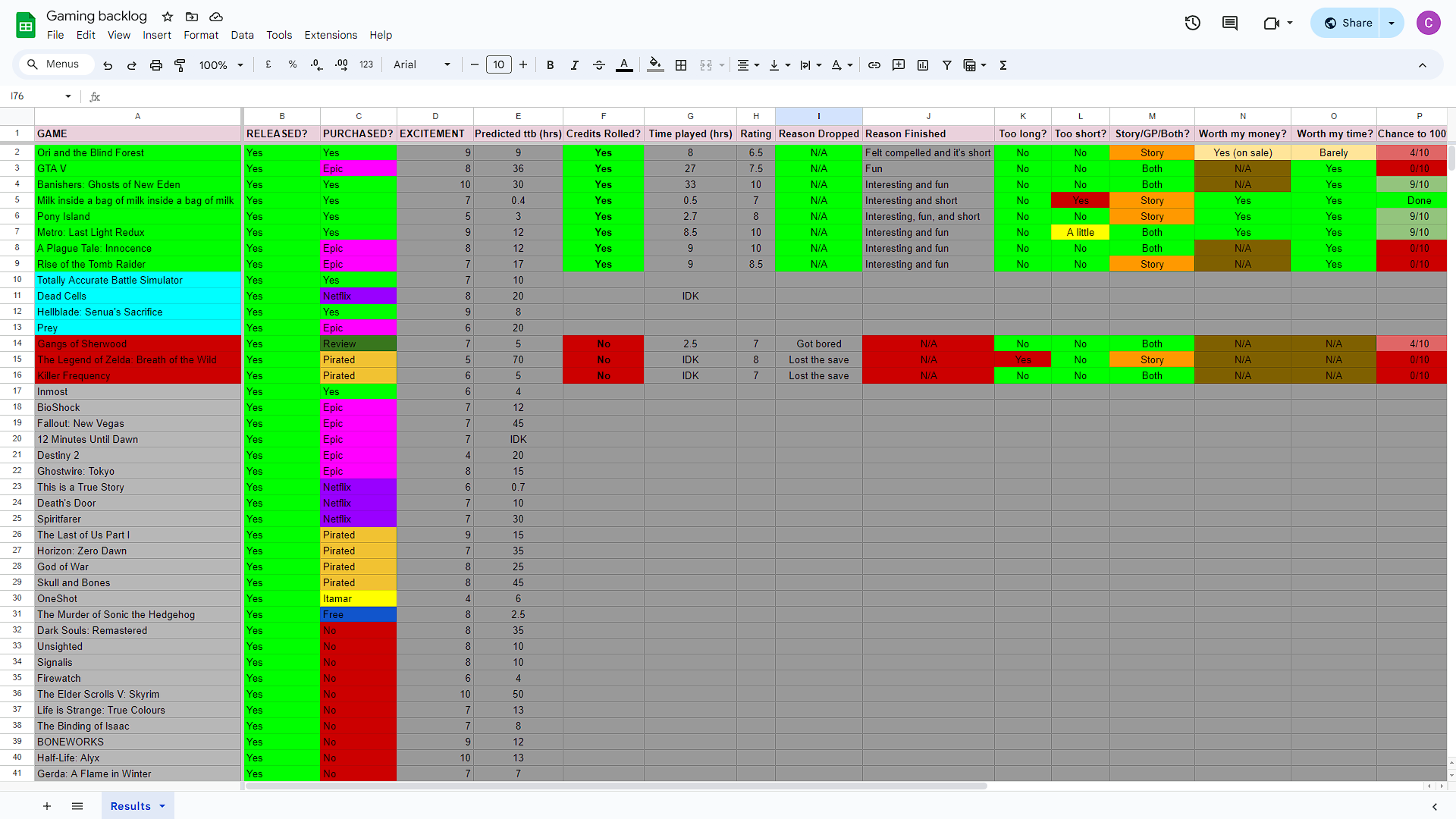
Avoid backlog growth by buying only what you’ll start immediately.
Time Budgeting Beats Game Budgeting
Money isn’t the only constraint—time is stricter.
Ask:
-
How many hours can I realistically play this month?
-
Which one game fits that time best?
Time management protects enjoyment more than discounts.
Why Waiting Improves the Experience
Waiting doesn’t just save money—it improves gameplay.
Benefits:
-
Bug fixes and balance patches
-
Community guides and mods
-
Better performance optimizations
Patience often delivers the best version of the game.
How to Handle Multiplayer FOMO
Multiplayer games create artificial urgency.
Smarter approach:
-
Join after launch chaos settles
-
Avoid early meta imbalance
-
Enter when servers stabilize
You lose nothing by skipping week one.
Indies Deserve a Different Strategy
Indies don’t rely on launch hype the same way.
For indie titles:
-
Follow developer updates
-
Buy when support looks strong
-
Avoid impulse buys based on trailers alone
Good indies reward informed patience.
The “One New Game at a Time” Rule
This rule fixes most problems instantly.
Rule:
-
Don’t buy a new game until you’ve meaningfully played the current one
This keeps focus high and regret low.
Sales Cycles Are Predictable—Use Them
Most games follow a discount pattern.
Expect:
-
Small drop after 1–2 months
-
Bigger discounts after 6 months
January buyers usually pay the highest price.
Who This Strategy Helps Most
This approach is ideal for:
-
Busy gamers
-
Budget-conscious players
-
Completion-focused gamers
If you value experience over hype, this strategy works.
Conclusion
A smart gaming releases January strategy isn’t about resisting games—it’s about respecting your time and attention. Wishlisting first, buying later, limiting backlog growth, and prioritizing one game at a time turns a chaotic release month into a satisfying one. In gaming, restraint isn’t missing out—it’s choosing better.
FAQs
Should I buy games on launch day?
Usually no. Waiting improves quality and price.
How many games should I buy in January?
Only as many as you can realistically play.
Do discounts arrive quickly after launch?
Yes, most games see price drops within months.
How do I avoid gaming backlogs?
Buy only when you’re ready to start playing.
Is this strategy good for multiplayer games?
Yes—joining after launch issues settle often improves the experience.