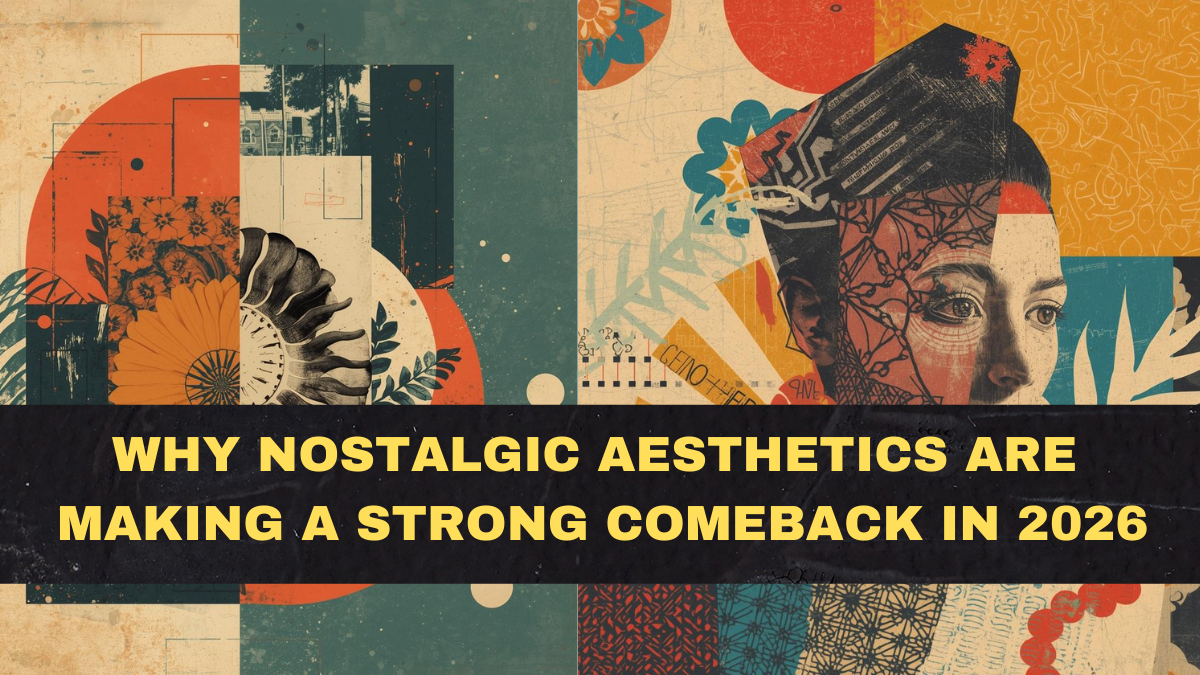
The nostalgic aesthetic resurgence of 2026 isn’t about copying the past — it’s about borrowing its emotional safety. In a world that feels fast, uncertain, and overstimulated, people are reaching backward for familiarity, warmth, and meaning. Nostalgia offers comfort without requiring explanation.
This trend isn’t shallow retro styling. It’s emotional design responding to cultural fatigue.
Why Nostalgia Feels Powerful Right Now
Nostalgia thrives during periods of uncertainty. It provides psychological grounding.
Key drivers behind the nostalgic aesthetic resurgence:
• Digital overload and algorithm fatigue
• Cultural instability and constant change
• Desire for emotional familiarity
• Rejection of hyper-polished perfection
Nostalgia feels human in an automated world.
What Defines Nostalgic Aesthetics in 2026
Modern nostalgia isn’t a time capsule. It’s selective and reinterpreted.
Common nostalgic elements include:
• Warm color palettes
• Grain, texture, and imperfections
• Analog-inspired typography
• Familiar shapes and silhouettes
These cues trigger memory without freezing time.
Vintage Styles Are Being Reimagined, Not Repeated
Vintage styles aren’t returning unchanged. They’re being softened and modernized.
How vintage styles are evolving:
• Old silhouettes with modern materials
• Retro color schemes with clean layouts
• Familiar forms paired with new functionality
This balance keeps nostalgia relevant, not kitschy.
Emotional Design Is the Core of This Trend
Design in 2026 prioritizes feeling over function alone.
Emotional design focuses on:
• Comfort and familiarity
• Sensory warmth
• Memory association
• Personal resonance
Nostalgic aesthetics succeed because they feel safe, not because they look trendy.
Why Imperfection Is Now a Feature
Perfect visuals feel cold. Imperfect ones feel alive.
Nostalgia embraces:
• Visible texture and wear
• Handcrafted aesthetics
• Soft focus and grain
• Human irregularities
Imperfection signals authenticity.
How Fashion Is Channeling Nostalgia
Fashion is leaning into memory-driven expression.
Nostalgic fashion cues include:
• Relaxed silhouettes
• Retro fabrics and patterns
• Logo minimalism
• Comfort-first styling
Clothing becomes emotional armor, not a statement piece.
Interior Design Is Becoming Sentimental
Homes are reflecting emotional needs.
Nostalgic interiors feature:
• Heirloom-inspired furniture
• Warm lighting and muted tones
• Objects with personal stories
• Comfort over minimalism
This shift overlaps with broader emotional design trends.
Why Digital Spaces Are Embracing Retro Feelings
Ironically, digital platforms are fueling nostalgia.
Digital nostalgia appears through:
• Analog UI cues
• Lo-fi visuals
• Familiar interface patterns
• Slower, calmer visual pacing
These choices reduce cognitive strain.
The Role of Memory in Brand Identity
Brands are rediscovering emotional continuity.
Successful nostalgic branding:
• References shared cultural moments
• Avoids aggressive rebrands
• Builds long-term recognition
• Feels familiar without being outdated
This strengthens trust and recall.
Why Nostalgia Isn’t Escapism
Nostalgia isn’t denial of reality — it’s emotional regulation.
It helps people:
• Feel grounded
• Reconnect with identity
• Reduce anxiety
• Find continuity
That’s why the nostalgic aesthetic resurgence feels necessary, not indulgent.
What This Trend Says About Culture in 2026
Culture is tired of constant novelty. People want depth, not disruption.
The return of nostalgic aesthetics signals:
• Desire for emotional stability
• Preference for meaning over novelty
• Respect for continuity and memory
This trend reflects maturity, not regression.
Conclusion
The nostalgic aesthetic resurgence of 2026 is rooted in emotional need, not trend cycles. By blending vintage styles with modern sensibility and prioritizing emotional design, nostalgia offers comfort, identity, and warmth in a rapidly changing world.
In an era obsessed with what’s next, looking back has become a form of balance.
FAQs
What is nostalgic aesthetic resurgence?
It’s the renewed use of past-inspired design elements to create emotional comfort and familiarity.
Why are nostalgic visuals popular in 2026?
Because people are overwhelmed by change and seek emotional grounding.
Is nostalgic design just retro fashion?
No. It spans fashion, interiors, branding, and digital design.
What is emotional design?
Design that prioritizes feeling, memory, and emotional response over pure function.
Is nostalgia a long-term trend?
Yes. It consistently resurfaces during periods of rapid cultural change.