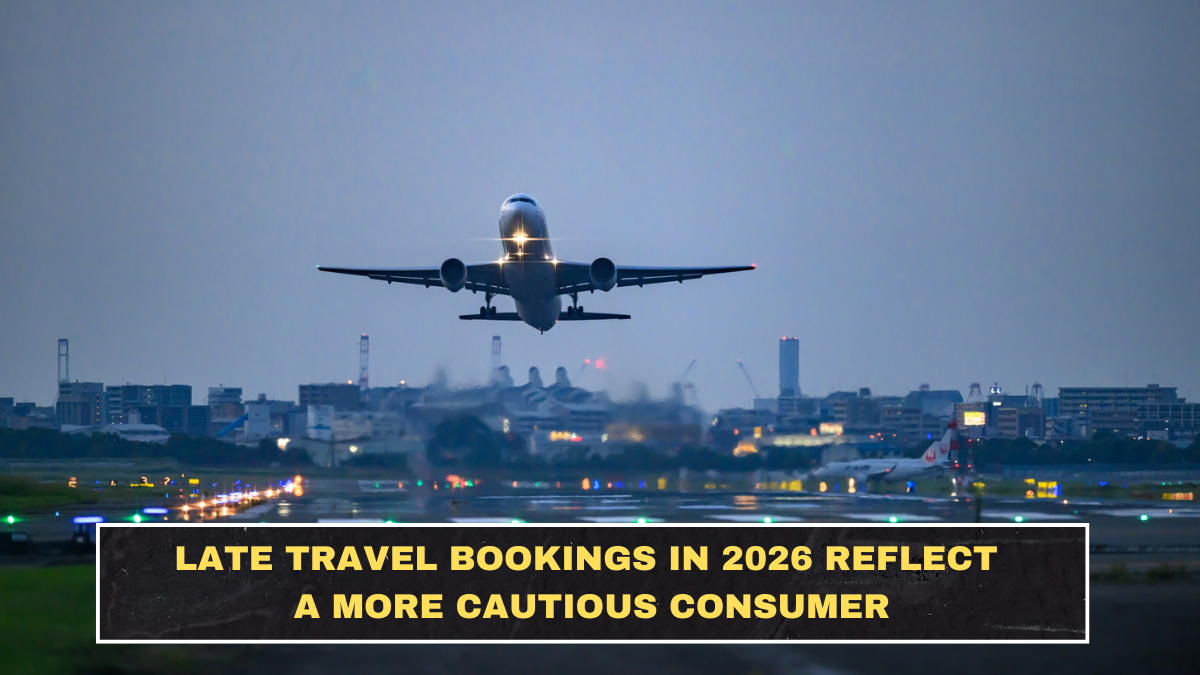
Travel demand in 2026 is not collapsing, but booking behavior is clearly getting more cautious. That is the part many people miss. Travelers still want trips, yet they are increasingly waiting longer before locking them in. Skift reported that cautious consumer sentiment was pushing travelers to delay bookings, while Expedia’s 2025 Traveler Value Index found that 58% of consumers expected to be more price-conscious in the next 12 months. That combination matters: people still want to travel, but they want more flexibility and less financial regret.
This is not just a vague feeling from the market either. Travel Weekly reported this month that shorter booking windows are showing up in 2026 advisor data, with 25.4% saying the most common booking window was now one to three months and 38.1% saying four to six months. In a separate Travel Weekly poll cited in February, 46% of respondents said booking windows were shorter than the year before. That points to a real shift, not a one-off seasonal blip.
Why are travelers booking later in 2026?
The biggest reason is caution around spending. Expedia’s 2025 Traveler Value Index says 58% of consumers expect to be more price-conscious, even though leisure travel demand remains strong overall. When people feel uncertain about budgets, airfares, exchange rates, or broader economic conditions, they delay commitment. They keep searching, comparing, and waiting for the trip to feel safer financially before they book.
There is also a behavior gap between desire and confidence. Phocuswright coverage in early 2026 said travel spending was still rising despite inflation and geopolitical uncertainty, which means demand remains resilient. But resilient demand does not mean early booking confidence. It often means people are still taking trips while protecting optionality for longer.
What does the late-booking trend actually look like?
The clearest evidence comes from shorter windows close to departure. Skift reported in August 2025 that 40% of U.S. hotel bookings in June were made within seven days of arrival, while globally, bookings made within seven days accounted for 21% of reservations, up from 18% in 2019. Another Skift report in December said more than 30% of U.S. travelers were finalizing plans within two weeks of departure. That is not normal long-range planning behavior. That is people waiting until later to decide.
| Booking pattern | What it suggests | Why it matters |
|---|---|---|
| 1–3 month window rising | More travelers delaying commitment | Less visibility for suppliers |
| 4–6 month window still common | Travel is still happening, just more selectively | Planning has not disappeared |
| 7-day and 14-day booking growth | More last-minute behavior | Price sensitivity and flexibility matter more |
The late-booking trend does not mean everybody is suddenly booking at the last second. It means the overall window is compressing. Long-haul, luxury, and peak-season trips may still book earlier, but a larger share of mainstream travel is being decided closer to departure than before.
How does this change trip planning for consumers?
For travelers, later booking can be smart or stupid depending on the trip type. It can help cautious consumers avoid locking in too early when prices may move, schedules may change, or they are still comparing options. But it also creates risks. Less time usually means fewer ideal flight times, weaker hotel selection, and more pressure to compromise. That is the trade-off people are accepting in exchange for flexibility.
This also changes how people shop. Instead of choosing one destination early, many now keep several options open and follow pricing longer. That behavior matches Expedia’s finding that price remains central to decision-making and Skift’s reporting that late booking is tied to cautious consumer sentiment rather than a collapse in travel appetite.
What does this mean for the travel industry?
For airlines, hotels, and travel brands, shorter booking windows make demand harder to predict. Forecasting, staffing, pricing, and marketing become more reactive when consumers wait longer. Travel marketers are already discussing how shorter booking windows require faster measurement and smarter targeting, because old campaign timing becomes less reliable when people decide later.
At the same time, this is not a disaster signal by itself. Expedia reported strong 2025 results, including 9% room-night growth in Q4 and 8% gross bookings growth for the full year, showing that people are still booking. The point is not that demand is gone. The point is that consumers are booking with more hesitation and less advance certainty.
Conclusion?
Late travel bookings in 2026 reflect a more cautious consumer, not a consumer who stopped caring about travel. People still want trips, but they are delaying commitment because price pressure, uncertainty, and flexibility matter more now. That makes travel planning more reactive, compresses booking windows, and changes how brands have to sell. Anyone still reading this as “travel is booming, nothing changed” is ignoring the more important part of the story.
FAQs
Are travelers really booking later in 2026?
Yes. Recent travel trade reporting shows shorter booking windows in 2026, and Skift also reported rising last-minute hotel booking behavior in the U.S. and globally.
Why are people delaying travel bookings?
The main reasons are price sensitivity, economic caution, and a desire to keep options open longer before committing. Expedia’s research found that 58% of consumers expected to be more price-conscious.
Does late booking mean travel demand is weak?
Not necessarily. Travel demand is still holding up in many areas, but consumers are behaving more cautiously about when they commit money.
Is late booking good for travelers?
Sometimes. It can preserve flexibility, but it also increases the chance of worse prices, less choice, and more rushed decisions depending on the destination and season.