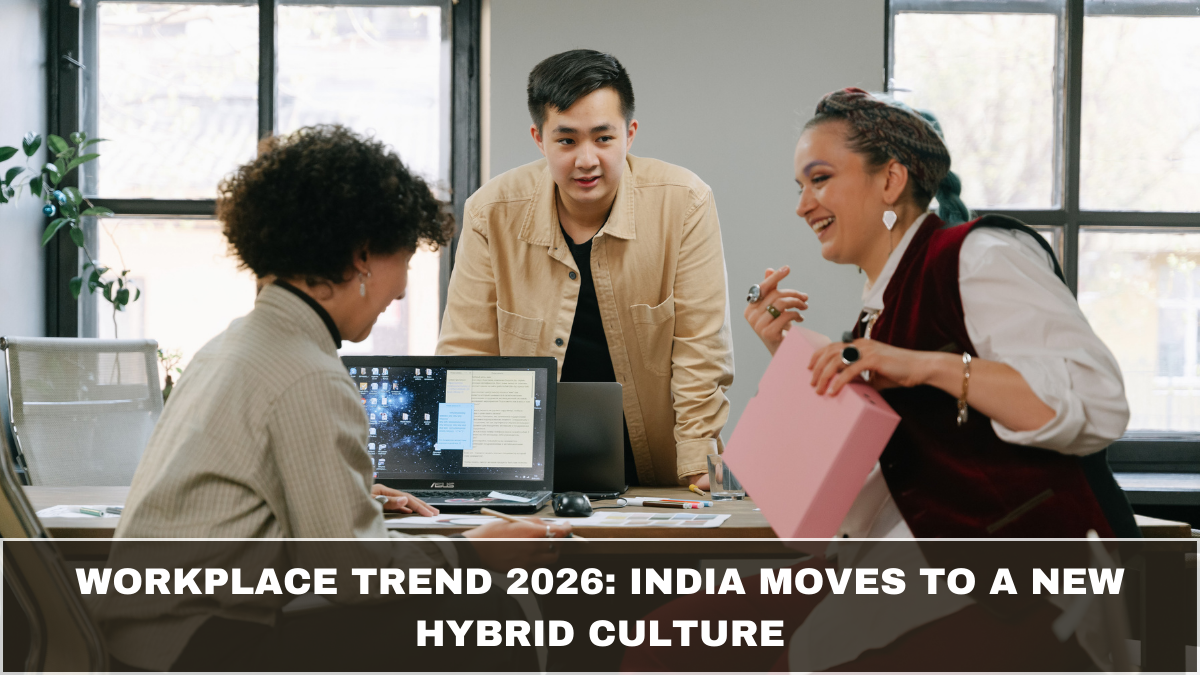
Corporate India is undergoing a major transformation in 2026 with the rise of hybrid work culture. Hybrid work blends remote and in-office schedules, giving employees flexibility while maintaining workplace connectivity. This shift reflects a response to changing employee expectations, technological advancements, and lessons learned from remote work experiences during the pandemic.
The hybrid work trend is not just a scheduling adjustment—it represents a cultural shift in Indian workplaces. Companies are redefining productivity, collaboration, and employee engagement while navigating new challenges related to communication, work-life balance, and office design.

Why Hybrid Work Is Becoming Popular in India
Several factors are driving the adoption of hybrid work culture:
-
Employee Demand for Flexibility: Workers increasingly prefer to split time between home and office.
-
Technological Enablement: Cloud-based tools, video conferencing, and collaboration platforms make remote work feasible.
-
Cost Efficiency for Employers: Hybrid models reduce office space costs and infrastructure expenses.
-
Talent Retention: Offering flexibility helps companies attract and retain skilled employees.
-
Pandemic Lessons: Remote work during COVID-19 demonstrated that productivity can be maintained outside the office.
Hybrid work aligns with evolving Indian workforce expectations, particularly among younger professionals who value autonomy, mental wellbeing, and flexibility.
Key Features of Hybrid Work in 2026
The hybrid workplace in India is characterized by several features:
-
Flexible Scheduling: Employees can choose office days based on tasks, meetings, or collaboration needs.
-
Technology Integration: Virtual meeting rooms, AI-driven scheduling, and cloud-based project management systems are standard.
-
Hot Desking & Shared Spaces: Offices are redesigning layouts to accommodate flexible seating and collaboration zones.
-
Outcome-Focused Productivity: Emphasis shifts from hours worked to results delivered.
-
Digital Collaboration Culture: Teams use messaging apps, shared documents, and virtual brainstorming sessions to stay connected.
These changes are influencing both employee habits and managerial approaches in Indian corporates.
Benefits of Hybrid Work Culture for Employees
The hybrid model offers several advantages to employees:
-
Better Work-Life Balance: Less commuting allows for more personal time and reduces stress.
-
Increased Productivity: Many employees report improved focus when working remotely on deep tasks.
-
Reduced Burnout: Flexibility helps manage energy levels and prevent exhaustion.
-
Customized Work Environment: Employees can work in spaces that suit their preferences, from home offices to coworking hubs.
-
Learning and Upskilling Opportunities: Hybrid schedules allow time for online courses and professional development.
Overall, the hybrid model provides a more humane, adaptable work structure.
Challenges of Hybrid Work in Indian Offices
Despite its benefits, hybrid work introduces challenges for corporate India:
-
Communication Gaps: Remote team members may miss informal office interactions.
-
Management Complexity: Leaders need new tools to monitor performance without micromanaging.
-
Cultural Disconnect: Maintaining corporate culture is harder when employees are physically dispersed.
-
Infrastructure Limitations: Reliable internet, secure networks, and technology training remain challenges in smaller cities.
-
Employee Isolation: Some workers may feel disconnected or excluded from key decisions.
Addressing these issues requires careful planning, digital solutions, and clear policies.
How Companies Are Implementing Hybrid Models
Indian organizations are experimenting with hybrid formats suited to their business needs:
-
Fixed Hybrid Days: Certain teams come to the office on pre-scheduled days.
-
Flexible Choice: Employees decide weekly whether to work remotely or in-office.
-
Role-Based Hybrids: Client-facing or collaborative roles may require more in-office presence.
-
Rotational Schedules: Teams alternate office attendance to maintain collaboration and social interaction.
-
Technology-Driven Monitoring: AI tools track workflow, attendance, and engagement without intrusive supervision.
These approaches balance operational efficiency with employee autonomy, creating sustainable hybrid ecosystems.
Future Outlook for Indian Hybrid Work
The hybrid trend in India is expected to evolve further:
-
Smarter Office Spaces: Offices will emphasize collaborative areas, wellness zones, and minimal private desks.
-
Enhanced Digital Infrastructure: Investment in secure networks, virtual reality collaboration tools, and cloud systems will grow.
-
Inclusive Policies: Companies will address employee wellbeing, diversity, and engagement more proactively.
-
Remote-Friendly Talent Pools: Organizations may hire talent from Tier-2 and Tier-3 cities without requiring relocation.
-
Data-Driven Productivity: Analytics will guide hybrid work schedules, workload management, and performance metrics.
Hybrid work is no longer a temporary solution—it is becoming a permanent feature of India’s corporate landscape.
Conclusion
The hybrid work culture in India in 2026 is redefining how offices function, how employees engage, and how companies structure productivity. While challenges like communication gaps, management complexity, and cultural cohesion exist, the benefits of flexibility, reduced burnout, and enhanced work-life balance make hybrid models increasingly attractive. Indian organizations that embrace this change with strategic planning, digital tools, and employee-centric policies will likely lead in productivity, retention, and innovation. Hybrid work represents more than a trend; it signals a cultural shift toward smarter, adaptive, and employee-friendly workplaces.
FAQs
What is hybrid work culture?
Hybrid work culture blends remote and in-office work, giving employees flexibility while maintaining collaboration.
Why is hybrid work becoming popular in India?
Flexibility, technology, cost savings, talent retention, and lessons from remote work during the pandemic are driving adoption.
What challenges do hybrid models face?
Communication gaps, cultural disconnect, management complexity, infrastructure limitations, and potential employee isolation.
How can companies implement hybrid work successfully?
By offering flexible schedules, redesigning office spaces, using collaboration tools, role-based planning, and tracking outcomes rather than hours.
Will hybrid work continue to grow in India?
Yes, hybrid work is expected to become a permanent feature of Indian corporate culture due to its benefits in productivity, wellbeing, and talent management.