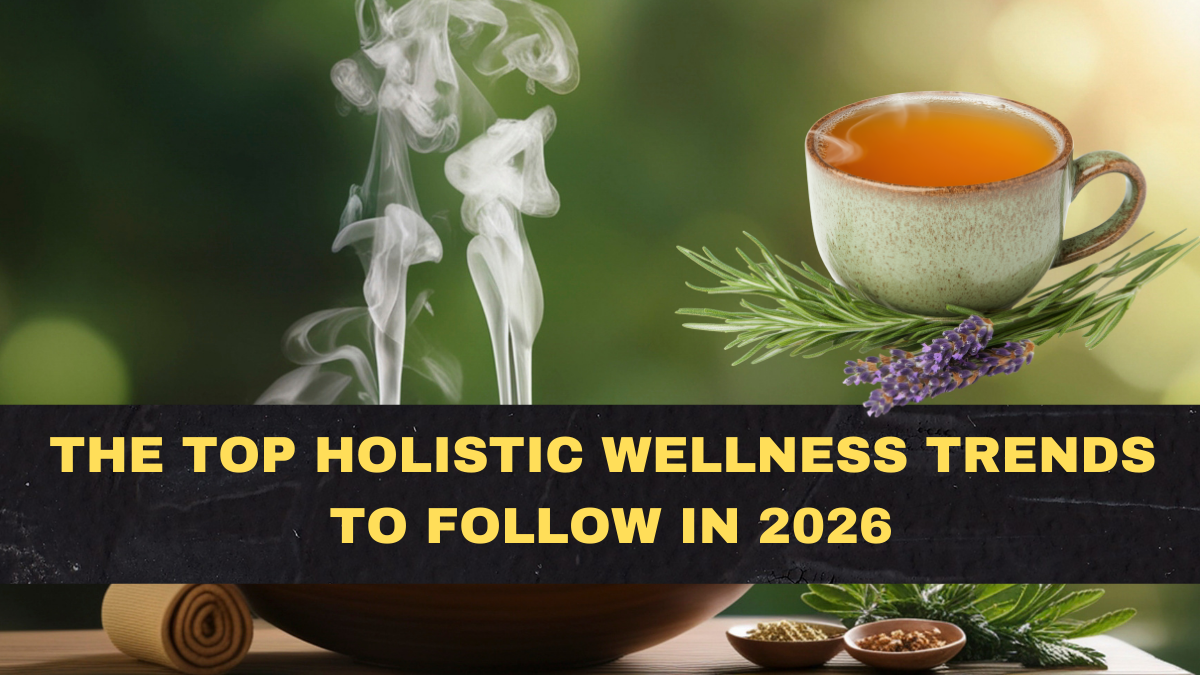
The wellness conversation in 2026 has grown up. People are done chasing quick fixes, extreme routines, and aesthetic-only self-care. The rise of holistic wellness trends reflects a deeper understanding that health isn’t fragmented. Mental clarity, physical energy, emotional stability, and environment all interact. Ignoring one breaks the system.
Wellness is no longer about optimization. It’s about alignment.
Why Holistic Wellness Is Replacing Fragmented Health Trends
For years, wellness was split into silos—fitness here, mental health there, nutrition somewhere else. That model failed.
Key reasons holistic wellness trends are rising:
• Burnout from hyper-optimization culture
• Clear links between stress, sleep, and immunity
• Desire for sustainable routines
• Rejection of extreme or performative wellness
People want systems that support real life, not dominate it.
Mental Health Is Now the Foundation, Not an Add-On
Mental health is no longer treated as a side concern. It’s the base layer of wellness.
Shifts in focus include:
• Preventive mental health practices
• Emotional regulation skills
• Stress literacy and self-awareness
• Reduced stigma around mental health support
This reframing anchors all other wellness habits.
Lifestyle Design Is Becoming a Health Strategy
Wellness in 2026 extends beyond habits into how life is structured.
Lifestyle-centered approaches include:
• Designing routines around energy, not time
• Reducing decision fatigue
• Creating calm physical spaces
• Aligning work patterns with personal rhythms
Health is increasingly designed, not forced.
Movement Is Being Redefined Beyond Fitness
Exercise is no longer framed as punishment or obligation.
Modern movement trends include:
• Low-impact, consistent activity
• Mobility and joint health focus
• Movement for mood regulation
• Enjoyment-driven routines
This shift supports long-term adherence and wellbeing.
Why Sleep Quality Is Treated as Non-Negotiable
Sleep has moved from “nice to have” to health priority.
Sleep-focused habits include:
• Consistent sleep-wake cycles
• Screen boundary routines
• Sleep environment optimization
• Recovery-focused scheduling
Without sleep, no wellness system works.
Nutrition Is Becoming Simpler and More Intuitive
Diet culture is losing credibility. Intuitive, functional eating is replacing rigid plans.
Nutrition shifts include:
• Focus on digestion and energy
• Fewer rules, more awareness
• Emphasis on whole foods
• Reduced obsession with restriction
Food supports life—it doesn’t control it.
Environment Is Recognized as a Wellness Factor
Physical spaces influence mental and emotional health more than previously acknowledged.
Environmental wellness includes:
• Natural light prioritization
• Reduced sensory clutter
• Air quality awareness
• Comfortable, calming design
Wellness isn’t portable—it’s contextual.
Digital Boundaries Are Becoming a Health Practice
Technology use is now treated as a wellness variable.
Healthy digital practices include:
• Intentional screen time
• Notification control
• Offline recovery windows
• Digital minimalism habits
Mental health improves when attention is protected.
Why Consistency Beats Intensity in 2026
Extreme wellness routines don’t last. Consistent, moderate habits do.
Successful holistic wellness trends emphasize:
• Repeatability
• Flexibility under stress
• Low friction
• Integration into daily life
Sustainability defines success.
How Wellness Is Becoming Personal, Not Prescriptive
There is no universal wellness plan anymore.
Personalized wellness focuses on:
• Individual stress patterns
• Personal energy rhythms
• Unique environmental factors
• Self-awareness over rules
This personalization makes wellness adaptive.
What These Trends Say About Modern Health Culture
The rise of holistic wellness trends reflects maturity. People are choosing balance over obsession and long-term health over short-term results.
Wellness is becoming quieter, smarter, and more humane.
Conclusion
The top holistic wellness trends of 2026 show a clear shift away from fragmented, extreme health practices toward integrated, sustainable living. By addressing mental health, lifestyle design, environment, and physical wellbeing together, people are building systems that actually support their lives.
Wellness isn’t about doing more. It’s about doing what works — consistently.
FAQs
What are holistic wellness trends?
They are wellness approaches that integrate mental, physical, emotional, and environmental health.
Why is holistic wellness popular in 2026?
Because people are burned out by extreme, fragmented health routines.
Is holistic wellness less effective than structured programs?
No. It’s often more sustainable and effective long-term.
Does holistic wellness include mental health?
Yes. Mental health is considered foundational, not optional.
Can holistic wellness fit busy lifestyles?
Yes. It focuses on integration and consistency, not time-consuming routines.