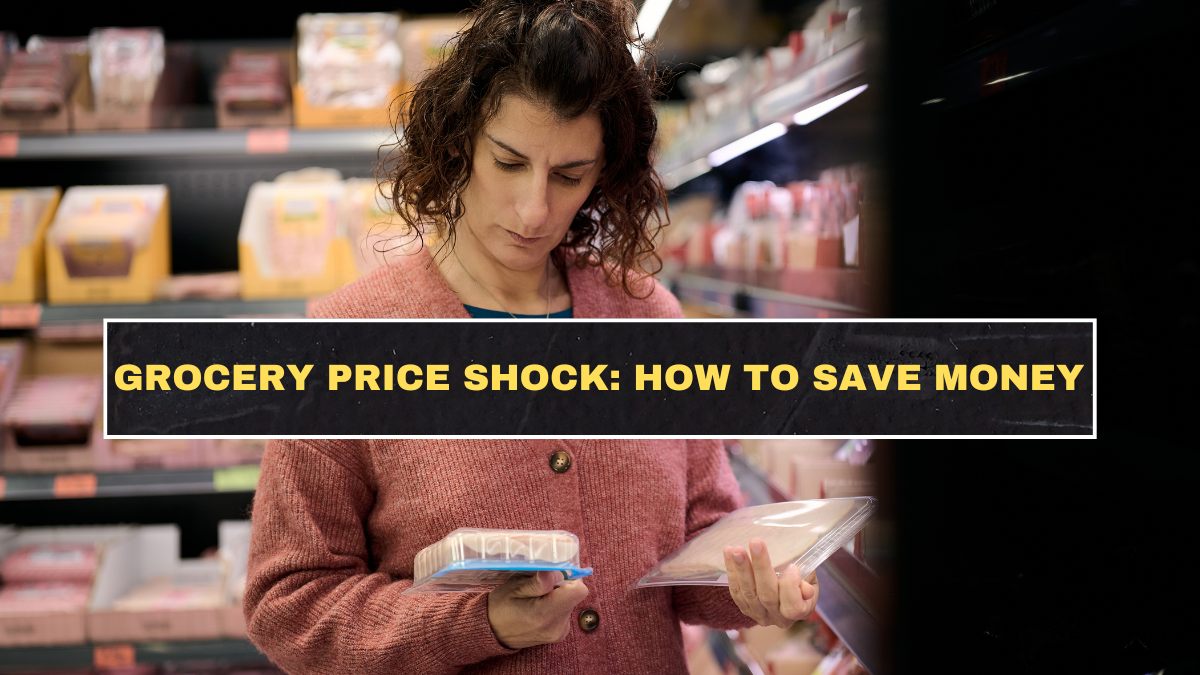
You go to buy groceries with the same list… but the bill is higher every time.
Nothing extra, nothing fancy—just the same items, yet more money gone.
This is where most people feel confused. “Main toh wahi samaan le raha hoon, phir bhi paise zyada kyu lag rahe hain?” The answer is simple but uncomfortable—prices are rising slowly, and you’re not noticing it until it hits your total.
Why This Matters
Groceries are not optional spending. Unlike shopping or entertainment, you cannot cut food completely. That’s why even a small increase in prices affects your monthly budget directly.
For middle-class households, grocery expenses take a significant portion of income. When prices rise, savings automatically shrink. That’s why understanding food inflation is important.
Main Explanation
Let’s break this down in the simplest way possible.
Food prices increase due to multiple reasons—transport cost, fuel prices, supply issues, and seasonal changes. When any of these increase, the final price you pay also increases.
Now imagine this like a chain.
Farm → Transport → Storage → Shop → You
If cost increases at any stage, it gets added to the final price. That’s why even basic items like vegetables, oil, and grains become expensive over time.
The tricky part is that these increases are gradual. You don’t notice ₹5 or ₹10 increase per item—but when everything adds up, your total bill jumps significantly.
Table: Common Grocery Cost Increases
| Item Type | Reason for Price Rise | Impact |
|---|---|---|
| Vegetables | Seasonal supply changes | Frequent fluctuations |
| Cooking oil | Global price trends | Sharp increases |
| Grains | Production & demand | Steady rise |
| Dairy products | Feed and transport cost | Gradual increase |
| Packaged goods | Branding & logistics | Consistent rise |
What’s Happening
Food inflation in India is influenced by both local and global factors. Weather conditions, crop output, fuel prices, and supply chain issues all play a role.
At the same time, consumer demand remains constant, which means prices rarely go down significantly. This creates a steady upward trend in grocery costs.
What You Should Do
Plan your grocery shopping instead of buying randomly.
Buy seasonal items, which are usually cheaper.
Avoid unnecessary packaged products and focus on essentials.
Also, track your monthly spending to understand where your money is going.
Common Mistakes
The biggest mistake is ignoring small price increases.
Another mistake is impulse buying, especially during offers.
People also buy more than needed, which leads to waste.
What to Watch Next
Watch seasonal price trends and plan purchases accordingly.
Also monitor fuel prices, as they indirectly affect food costs.
Reality Check
Here’s the blunt truth.
You can’t control rising prices—but you can control how you spend.
If you don’t adjust your habits, inflation will silently eat your savings.
Conclusion
Grocery price increases are a reality, but smart planning can reduce their impact. Understanding the reasons behind inflation helps you make better decisions.
Focus on essentials, track spending, and avoid waste.
Because saving money is not about earning more—it’s about spending smarter.
FAQs
Why are grocery prices increasing?
Due to supply, fuel cost, and demand factors.
Can grocery prices decrease?
They may fluctuate but generally trend upward.
How can I reduce grocery expenses?
Plan shopping and avoid unnecessary purchases.
Are seasonal products cheaper?
Yes, they are usually more affordable.
Does inflation affect all food items?
Yes, but the impact varies by category.
Click here to know more.