
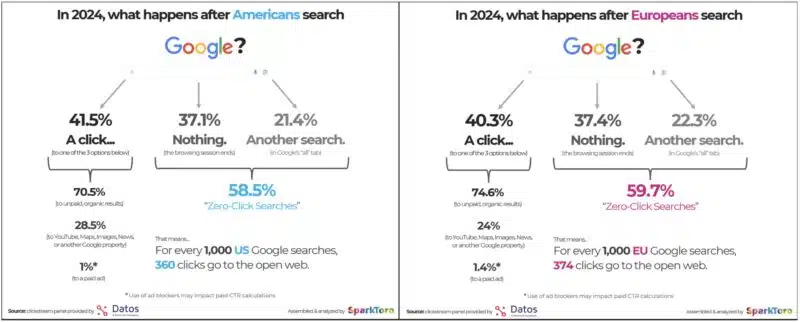
Search used to mean clicks. In 2026, it increasingly means answers without exits. Google zero click searches 2026 has become the defining SEO shock as AI summaries, instant answers, and expanded SERP features keep users on Google instead of sending them to websites.
Users get what they need. Publishers lose what they depend on: traffic.

What Zero-Click Searches Really Mean in 2026
A zero-click search happens when the user doesn’t visit any website.
Instead, Google provides:
• AI-generated summaries
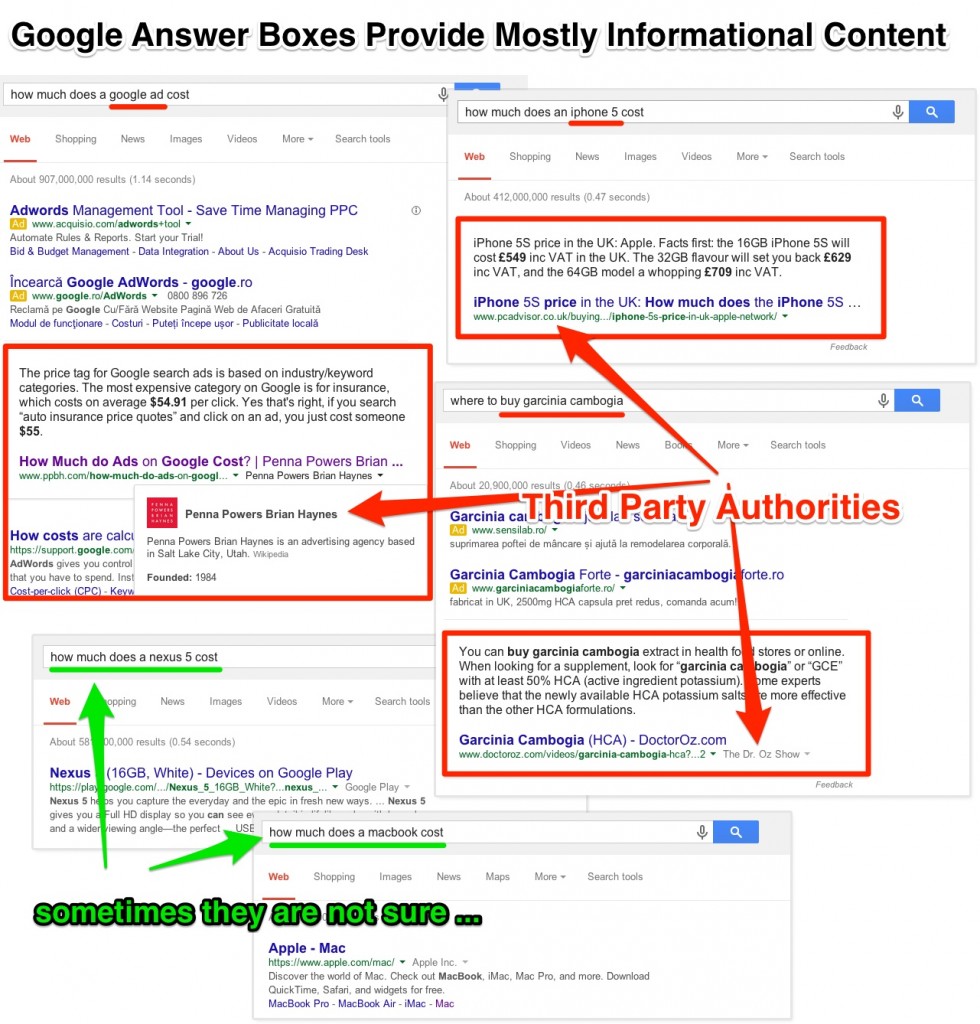
• Featured snippets
• Knowledge panels
• Instant calculators and tools
With AI answers front and center, Google zero click searches 2026 is no longer a side effect—it’s the default.
Why Google Is Pushing AI Answers So Aggressively
Google’s incentives changed.
AI answers help Google:
• Keep users longer on its ecosystem
• Reduce search friction
• Compete with chat-style AI tools
• Increase ad exposure opportunities
User satisfaction improved. Publisher dependency weakened.
How SERP Changes Are Quietly Draining Traffic
The loss isn’t dramatic—it’s silent.
Publishers are seeing:
• Stable impressions, falling clicks
• Top rankings with lower CTR
• Content summarized without visits
• Long-tail traffic disappearing
Traffic loss happens even when rankings stay intact.
Which Queries Are Hit the Hardest
Not all searches are equal.
High-impact zero-click categories include:
• Definitions and explanations
• How-to steps
• Comparisons and lists
• Simple informational queries
These used to be traffic gold. Now they’re AI feedstock.
Why Publishers Feel Betrayed
Content fuels the answers—without the reward.
Publishers argue:
• Their work trains AI summaries
• Attribution doesn’t equal traffic
• Monetization depends on visits
• Value is extracted without consent
Google zero click searches 2026 shifted power without negotiation.
Why Attribution Isn’t Enough Anymore
Being cited doesn’t pay bills.
Problems with attribution:
• Users don’t click sources
• Brand recall is weak
• Ads can’t run without visits
• Email and subscriptions suffer
Visibility without access is a hollow win.
How AI Answers Changed User Behavior
Users adapted fast.
They now:
• Trust top-of-page summaries
• Scroll less
• Compare fewer sources
• Expect instant resolution
Once habits form, clicks don’t come back easily.
What This Means for SEO Strategy
Ranking alone is no longer the goal.
New priorities include:
• Brand recognition over clicks
• Content that resists summarization
• Depth that AI can’t compress
• Direct audience channels
SERP changes force a shift from traffic-first to relationship-first.
Which Content Still Gets Clicks
Not everything is doomed.
Content that survives includes:
• Opinion and analysis
• Original reporting
• Tools and interactive content
• Personal experiences
If AI can’t replace perspective, users still visit.
Why Small Publishers Are Hurt the Most
Large brands absorb losses. Small sites don’t.
Smaller publishers face:
• Revenue instability
• Ad model collapse
• Slower list growth
• Reduced discovery
Google zero click searches 2026 widens the gap between big and small.
What Google Says vs What’s Happening
Official messaging emphasizes “helpfulness.”
But publishers observe:
• Less outbound traffic
• More on-SERP engagement
• Fewer chances to monetize
The experience gap keeps growing.
What the Future Looks Like if This Continues
If trends hold:
• Fewer independent sites survive
• Content quality homogenizes
• Discovery narrows
• The open web weakens
Search convenience comes at an ecosystem cost.
Conclusion
Google zero click searches 2026 marks a turning point. AI answers made search faster—but stripped websites of oxygen. The web wasn’t built to be summarized out of existence.
The next phase of SEO isn’t about ranking first. It’s about being worth leaving Google for.
FAQs
What are zero-click searches?
Searches where users get answers without visiting any website.
Why are zero-click searches increasing in 2026?
Because AI summaries and SERP features now answer most queries instantly.
Does this kill SEO?
No—but it changes SEO’s purpose dramatically.
Which sites are most affected?
Informational publishers relying on ad traffic.
How can sites adapt?
By building brand trust, deeper content, and direct audiences.
Click here to know more.