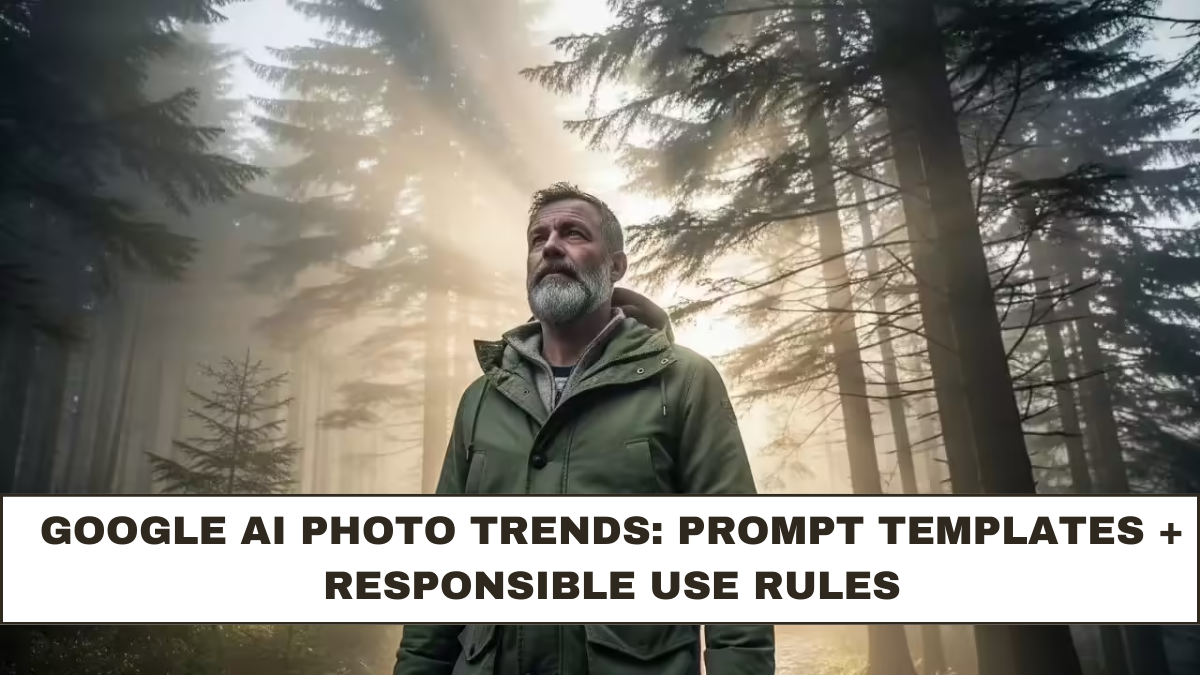
Artificial intelligence is transforming how we create and interact with visual content. Among the most discussed trends in 2025 are Google AI photo trends, which allow users to generate creative images, artistic edits, and imaginative visuals using simple prompts. These trends have grown rapidly on social media platforms, inspiring artists, students, and casual users to experiment with AI-powered photography.
While Google AI photo trends open exciting creative possibilities, responsible usage is critical. Misuse can lead to misinformation, identity theft, and ethical concerns. This guide explores trending AI photo ideas, prompt strategies, editing tips, and safety rules to follow for everyday users in India.
Why Google AI Photo Trends Are Popular in 2025
Several factors contribute to the rapid adoption of AI-generated photos:
• Social media virality encourages visually engaging content
• AI tools reduce the need for advanced editing skills
• Users can experiment with abstract or hyper-realistic visuals
• Creative professionals and influencers leverage AI to speed up production
These trends have made Google AI photo trends accessible, fun, and widely discussed among young adults and content creators.
Top Google AI Photo Trend Ideas
AI photo trends include styles, filters, and visual concepts that are currently popular:
-
Hyper-Realistic Portraits:
Create realistic images of fictional characters or stylized self-portraits. These often use prompts specifying facial features, mood, lighting, and background. -
Cinematic Scenes:
Users generate movie-like visuals with dramatic lighting, scenery, and thematic elements. Prompts include details like “sunset over Himalayan mountains” or “cyberpunk city at night.” -
Digital Art & Illustrations:
AI generates artistic versions of real-world photos. Users can try watercolor, oil painting, or anime styles using descriptive prompts. -
Before-and-After Concepts:
Trendy edits showing transformations—such as a futuristic version of a city or a reimagined historical setting. -
Fantasy and Sci-Fi Themes:
Images with mythical creatures, alternate realities, and imaginative worlds are highly shareable on social platforms.
Effective Prompt Templates for Google AI Photos
Crafting clear prompts is essential for AI tools to generate accurate and visually appealing results. Sample templates include:
• For portraits: “Portrait of a young Indian woman, golden hour lighting, cinematic style, soft focus, natural smile.”
• For landscapes: “Himalayan mountains at sunrise, fog rolling over the valley, vibrant colors, realistic style.”
• For artistic renderings: “Traditional Indian festival scene in watercolor, intricate patterns, festive colors, high detail.”
• For fantasy edits: “Cyberpunk city with neon lights, flying vehicles, rainy street, futuristic vibe, high resolution.”
• For thematic edits: “Old Delhi street market transformed into steampunk style, high detail, cinematic lighting.”
Using precise adjectives for mood, lighting, style, and perspective ensures the AI generates results closer to your vision.
Editing Tips for AI-Generated Photos
Once images are generated, subtle editing can enhance final results:
• Adjust brightness and contrast for visual clarity
• Crop images to improve composition and focus
• Use color grading for mood consistency
• Remove unwanted artifacts or glitches using photo editors
• Add text or overlays carefully for social media sharing
These steps refine AI-generated visuals, making them suitable for posting, printing, or professional use.
Responsible Use Rules
While AI-generated photos are exciting, misuse can have consequences. Follow these guidelines:
-
Avoid Personal Data Exposure:
Do not input private information, personal images, or sensitive identifiers into AI prompts. -
Respect Identity Rights:
Avoid generating images of real individuals without consent to prevent harassment or impersonation. -
Prevent Misinformation:
Clearly label AI-generated content if it could be mistaken for real-world photos. -
Follow Platform Guidelines:
Social media and content-sharing platforms often have rules regarding AI-generated images, especially for commercial use. -
Stay Ethical:
Refrain from creating content that promotes hate speech, violence, or culturally insensitive material.
How to Safely Share AI Photos Online
• Always indicate that images are AI-generated
• Avoid using AI photos in official documents or news contexts
• Keep sensitive content private and share only with trusted communities
• Monitor engagement and remove content if it is misused by others
Following these measures helps maintain a safe and ethical environment for AI creativity.
Popular Use Cases in India
-
Social Media Content Creation:
Influencers and creators use AI-generated visuals for Instagram, reels, and YouTube thumbnails. -
Digital Art Projects:
Students, artists, and designers explore AI for concept art, illustrations, and portfolio enhancement. -
Marketing and Branding:
Small businesses leverage AI images for campaigns, posters, and product mockups. -
Educational Projects:
Teachers and students use AI visuals for presentations, history recreations, or interactive learning materials.
Balancing Creativity and Safety
AI tools like Google’s photo generators empower creativity, but ethical awareness is key. Users should balance experimentation with responsibility:
• Experiment freely with abstract and fictional visuals
• Avoid using real identities or sensitive contexts
• Apply editing and sharing rules to maintain credibility and safety
This approach allows maximum creative potential while minimizing risks.
Conclusion
The Google AI photo trends of 2025 provide exciting opportunities for creativity, content creation, and visual exploration. By following prompt templates, editing tips, and responsible use rules, users in India can safely participate in AI-powered trends. Whether for social media, art, marketing, or educational projects, understanding both the potential and limitations of AI-generated images ensures a positive experience.
With careful usage, AI photos can become a powerful tool for self-expression, professional projects, and entertainment while maintaining ethical standards and digital safety.
FAQs
What are the most popular Google AI photo trends in 2025?
Hyper-realistic portraits, cinematic landscapes, fantasy themes, and artistic renderings are the top trends.
How can I create accurate AI photos?
Use clear, detailed prompts specifying style, lighting, perspective, and mood for the best results.
Are there risks in sharing AI-generated images?
Yes, especially if images depict real individuals or sensitive content. Always label AI-generated visuals clearly.
Can AI photos replace traditional photography?
AI-generated images complement creative projects but do not replace professional photography in real-world contexts.
How can I stay safe while using Google AI photo tools?
Avoid personal data, respect identity rights, prevent misinformation, follow platform guidelines, and maintain ethical standards.