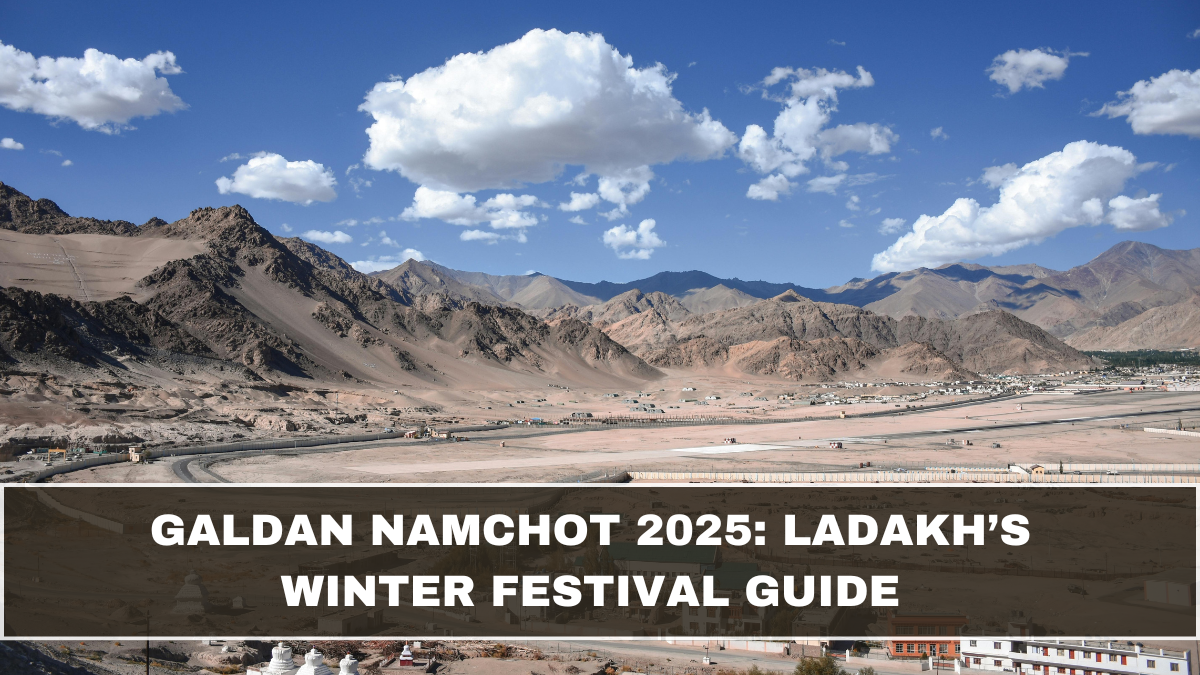
Galdan Namchot is one of the most important winter festivals in Ladakh, celebrated with fervor across monasteries, towns, and villages. Observed in honor of Je Tsongkhapa, the founder of the Gelugpa sect of Tibetan Buddhism, the festival marks the birth and enlightenment of this revered saint. It usually falls in late November or December, coinciding with the start of the harsh Himalayan winter. The festival has become a key highlight for both local residents and tourists seeking to experience Himalayan travel combined with cultural immersion.
Ladakh, with its serene landscapes and snow-capped mountains, offers a magical backdrop for Galdan Namchot, making it a must-visit winter celebration in India.
Significance of Galdan Namchot
Galdan Namchot holds deep religious and cultural significance:
-
Spiritual Importance: Devotees light butter lamps in monasteries and homes to honor Je Tsongkhapa.
-
Cultural Heritage: The festival preserves Ladakhi traditions, rituals, and folk practices.
-
Community Celebration: Villages and towns organize gatherings, feasts, and ceremonial events.
-
Blessings and Prayers: Monks perform special rituals to ensure peace, prosperity, and protection against winter hardships.
-
Tourist Attraction: Its timing and visual appeal make it a major draw for travelers exploring the Himalayan region.
The festival reflects a harmonious blend of spirituality, culture, and social cohesion.
Festive Activities and Traditions
Galdan Namchot features several traditional and cultural activities:
-
Lighting Butter Lamps: Central to the festival, lamps symbolize enlightenment and positivity.
-
Monastic Rituals: Monks chant prayers, perform masked dances, and engage in ceremonial rites.
-
Home Celebrations: Residents decorate homes, offer prayers, and prepare traditional Ladakhi dishes.
-
Street Gatherings: Local markets and community centers host music, dance, and storytelling sessions.
-
Cultural Shows: Folk dances, music performances, and theatrical enactments highlight Ladakhi heritage.
Visitors can witness a vibrant mix of devotion, celebration, and artistry during the festival.
Culinary Experiences
Galdan Namchot is also known for its rich culinary offerings:
-
Traditional Dishes: Popular items include thukpa, momos, chhang (local barley beer), and butter tea.
-
Festival Feasts: Families and communities prepare elaborate meals for guests and neighbors.
-
Street Food: Temporary stalls offer snacks and festive treats to tourists and locals.
-
Homemade Sweets: Ladakhi desserts like khapse (fried pastries) and churpi-based dishes are widely enjoyed.
-
Interactive Cooking: Visitors can sometimes participate in preparing traditional foods, learning local recipes firsthand.
Food forms an integral part of the festival, complementing spiritual and cultural experiences.
Best Places to Witness Galdan Namchot
The festival is celebrated across Ladakh, with key locations offering unique experiences:
-
Leh: The main town hosts grand celebrations in monasteries such as Hemis, Thiksey, and Spituk.
-
Monastery Gatherings: Remote monasteries provide authentic insights into local customs and rituals.
-
Local Villages: Smaller towns feature community-driven celebrations with folk music and dances.
-
Scenic Backdrops: Snow-clad mountains, frozen rivers, and serene valleys create a stunning visual experience.
-
Photographic Opportunities: The festival’s lights, decorations, and rituals make it a photographer’s delight.
Travelers should plan visits to multiple sites to capture the full spectrum of festival activities.
Travel Tips for Visitors
To make the most of Galdan Namchot 2025, visitors should consider the following:
-
Timing: The festival falls in late November to December; check local calendars for exact dates.
-
Weather Preparedness: Temperatures drop significantly, often below freezing. Warm clothing and layered outfits are essential.
-
Accommodation: Leh and surrounding towns offer hotels, guesthouses, and homestays; early bookings are recommended.
-
Transport: Local taxis, shared cabs, and rental vehicles are available; snow conditions may affect travel.
-
Altitude Awareness: Leh is at high altitude; travelers should acclimatize to avoid altitude sickness.
Proper preparation ensures a safe and enjoyable festival experience.
Cultural and Tourist Impact
Galdan Namchot serves as both a spiritual and tourism highlight:
-
Boost to Local Economy: Increased tourist arrivals benefit hotels, restaurants, and artisans.
-
Cultural Preservation: Showcases Ladakhi music, dance, and rituals to national and international audiences.
-
Community Engagement: Encourages intergenerational participation, strengthening local traditions.
-
Media Coverage: Festival photography, articles, and social media highlight Ladakh’s cultural richness.
-
Adventure Tourism Synergy: Winter trekking, snow sightseeing, and Himalayan adventures complement festival visits.
The festival continues to reinforce Ladakh’s identity as a cultural and travel destination.
Conclusion
Galdan Namchot 2025 offers a unique blend of spirituality, tradition, and Himalayan travel experiences. From lighting butter lamps in monasteries to enjoying local cuisine and witnessing folk performances, the festival immerses visitors in Ladakh’s rich heritage. Celebrated in Leh, monasteries, and local villages, it attracts tourists seeking a culturally enriching winter experience. For travelers, spiritual seekers, and culture enthusiasts, Galdan Namchot is an unmissable event that celebrates devotion, community, and the serene beauty of the Himalayas.
FAQs
What is Galdan Namchot?
Galdan Namchot is a winter festival in Ladakh celebrating the birth and enlightenment of Je Tsongkhapa.
When is Galdan Namchot celebrated in 2025?
The festival falls in late November or December; exact dates may vary based on the lunar calendar.
Where are the main celebrations held?
Key celebrations take place in Leh, monasteries like Hemis and Thiksey, and villages across Ladakh.
What activities can visitors expect?
Lighting butter lamps, attending monastic rituals, folk music and dance, cultural workshops, and traditional cuisine.
What should tourists keep in mind while visiting?
Visitors should prepare for cold temperatures, high altitude, book accommodation early, and plan local transport in advance.
Click here to know more.