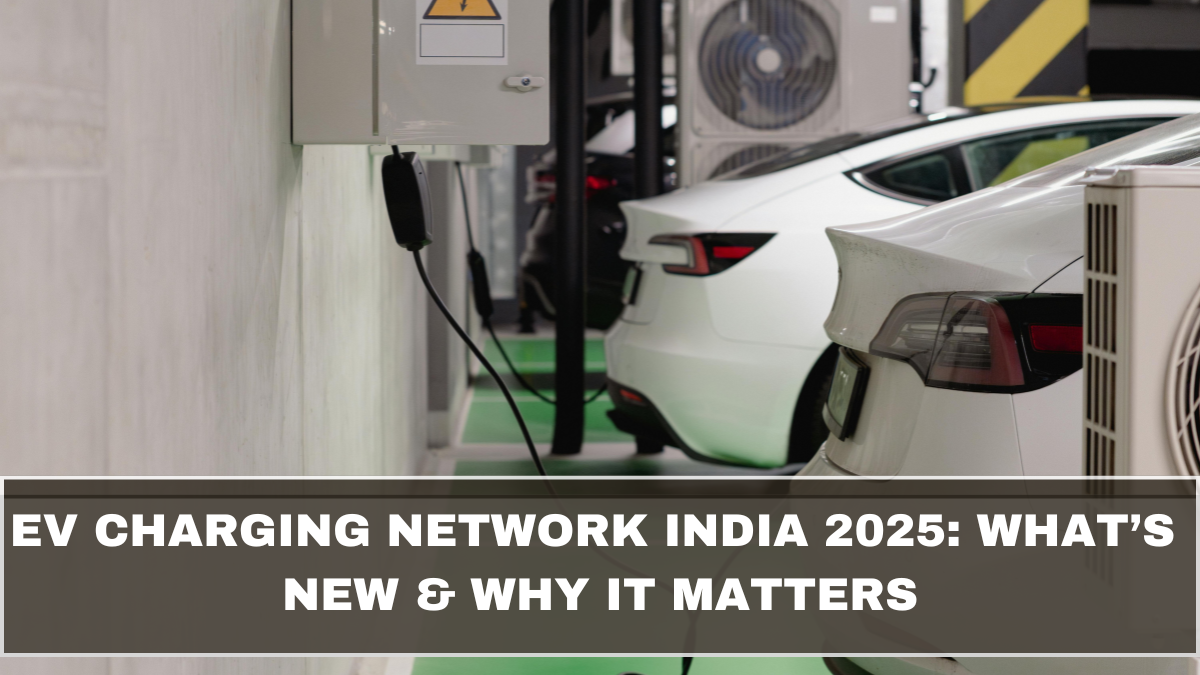
India’s electric vehicle (EV) market is witnessing unprecedented growth in 2025. With rising environmental awareness, government incentives, and the push for cleaner mobility, more consumers are opting for EVs in cities and towns across the country. This surge has naturally led to an increased focus on EV charging infrastructure, a key factor for widespread adoption.
The expansion of EV charging networks is essential to ensure convenience, reduce range anxiety, and make electric mobility a practical alternative to traditional fuel vehicles. Across India, both public and private players are investing heavily in building fast, reliable, and strategically located charging stations.
Current State of EV Charging in India
The EV charging landscape in India is evolving quickly. Key updates in 2025 include:
-
Increased charging stations: Over 10,000 public charging points now exist across metro and tier-2 cities.
-
Faster chargers: Rapid DC chargers capable of 80% battery charge in under 30 minutes are becoming more common.
-
Integration with apps: Many stations now offer real-time availability and booking through mobile applications.
-
Private sector involvement: Companies like Tata Power, Fortum, and Ola Electric are expanding their charging networks aggressively.
-
Government initiatives: The Ministry of Power and state governments are supporting infrastructure expansion with subsidies and policies.
These improvements are making EV ownership more convenient for urban and semi-urban commuters.
Importance of Charging Infrastructure for EV Adoption
The availability of an extensive charging network is critical for building confidence among EV buyers. In India, range anxiety—the fear of running out of battery without a charging station nearby—has been a significant barrier to adoption. Expanding the network addresses this concern and encourages more people to switch to electric mobility.
Benefits of a robust EV charging network include:
-
Convenience: Easier access to charging points reduces planning stress for EV owners.
-
Faster turnaround: Quick charging stations reduce downtime for vehicles.
-
Enhanced adoption: More accessible infrastructure boosts EV sales.
-
Integration with renewable energy: Some stations are powered by solar energy, making EVs more environmentally friendly.
-
Support for commercial fleets: E-buses, delivery vehicles, and taxi services benefit from strategically located chargers.
The growth of charging networks is therefore not just about convenience—it directly impacts India’s EV adoption rate and carbon footprint.
Types of EV Charging Stations in India
Charging infrastructure is categorized into several types, each serving different needs:
-
Slow chargers (AC 3-7 kW): Suitable for overnight home charging or workplaces.
-
Fast chargers (DC 25-50 kW): Ideal for quick top-ups on highways or urban hubs.
-
Ultra-fast chargers (DC 120-300 kW): Emerging at key highway corridors for rapid long-distance travel.
-
Battery swapping stations: Some companies are testing swap-based models to reduce waiting times for two-wheelers and e-rickshaws.
This mix ensures that EV owners have options depending on their travel patterns and vehicle types.
Regional Expansion and Accessibility
EV charging stations are spreading beyond metro cities into tier-2 and tier-3 towns. Leading trends include:
-
Highway corridors: National highways connecting major cities now have fast-charging stations at regular intervals.
-
Urban hubs: Shopping malls, office complexes, and parking lots are installing chargers.
-
Residential integration: Apartment complexes are adding EV chargers for resident convenience.
-
State-level initiatives: States like Karnataka, Maharashtra, and Tamil Nadu are actively promoting public charging infrastructure through policy support.
This ensures EV owners in different regions can travel confidently without worrying about battery range limitations.
Technology & Innovation in Charging
Innovations in charging technology are also shaping the EV ecosystem:
-
Smart chargers: Equipped with IoT-enabled monitoring for energy efficiency and predictive maintenance.
-
App integration: Apps provide real-time information about availability, pricing, and payment options.
-
Renewable integration: Solar-powered and hybrid energy chargers are gaining traction.
-
Vehicle-to-grid (V2G) tech: Some stations allow bi-directional energy flow, enabling EVs to supply power back to the grid.
These technologies improve efficiency, convenience, and sustainability, making EVs a more attractive option for consumers.
Economic & Environmental Impact
The expansion of EV charging networks has significant economic and environmental implications:
-
Job creation: Installation, maintenance, and operation of charging stations generate employment opportunities.
-
Reduced fuel dependency: A robust network lowers reliance on fossil fuels.
-
Lower emissions: Wider EV adoption leads to reduced air pollution in cities.
-
Business growth: EV charging stations become potential revenue streams for private companies and municipalities.
These factors contribute to a cleaner, greener economy while supporting India’s climate goals.
Tips for EV Owners in 2025
To maximize convenience, EV owners in India should:
-
Use mobile apps to locate nearby chargers.
-
Plan long trips along highways with fast-charging points.
-
Consider home chargers for overnight convenience.
-
Keep track of charging station reliability and reviews.
-
Stay updated on government incentives for public and residential chargers.
By being proactive, owners can enjoy a seamless EV experience.
Conclusion
The EV charging network expansion in India is a key driver of the country’s e-mobility future. With more fast-charging stations, innovative technology, and supportive government policies, EV adoption is becoming increasingly viable for urban and semi-urban Indians. This growth ensures convenience for users, strengthens environmental sustainability, and creates economic opportunities. As the network continues to expand, India’s journey toward a greener, more sustainable transport ecosystem becomes clearer and more achievable.
FAQs
Why is expanding the EV charging network important in India?
A wide network reduces range anxiety, encourages EV adoption, and supports long-distance travel.
What types of EV chargers are available in India?
Slow chargers, fast chargers, ultra-fast chargers, and battery swapping stations cater to different vehicle and travel needs.
Which cities and regions are seeing the most EV charging growth?
Metro cities, highways connecting major urban centers, and tier-2 towns are expanding their charging infrastructure rapidly.
Can EV charging stations use renewable energy?
Yes, many stations integrate solar or hybrid energy sources to reduce carbon footprints.
How can EV owners locate charging stations easily?
Mobile apps and websites provide real-time station availability, pricing, and booking options for EV owners.