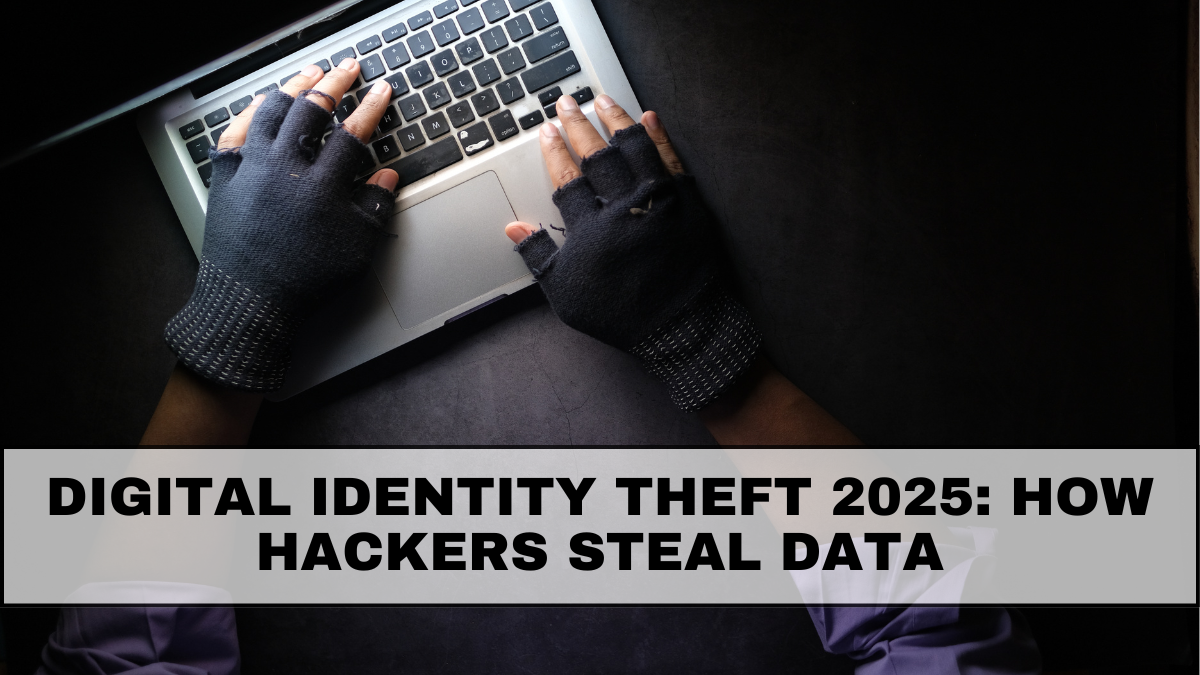
Digital identity theft has become a growing concern in 2025, with hackers deploying increasingly sophisticated techniques to steal personal and financial data. From phishing scams to AI-driven hacking tools, individuals and organizations are facing threats that can compromise bank accounts, personal records, and online reputations. Understanding these risks is crucial for anyone using digital services today.
The rise of online banking, e-commerce, and cloud services has expanded opportunities for cybercriminals. Hackers are no longer limited to simple password theft; they now exploit system vulnerabilities, social engineering tactics, and malware to gain unauthorized access to sensitive information. These developments make Digital Identity Theft 2025 a pressing issue for both individuals and institutions.
How Hackers Steal Digital Identities
Cybercriminals use a variety of methods to commit identity theft:
-
Phishing Attacks: Fake emails, messages, or websites trick users into revealing login credentials.
-
Malware and Spyware: Malicious software monitors keystrokes or captures data from devices.
-
Data Breaches: Large-scale hacks of company databases expose personal information.
-
Social Engineering: Manipulating individuals into providing sensitive details over calls or online.
-
AI-Powered Attacks: Advanced tools mimic legitimate websites or communications to fool users.
By understanding these tactics, users can take proactive steps to protect their data.
Protecting Yourself from Identity Theft
Prevention is the best defense against digital identity theft:
-
Strong Passwords: Use complex, unique passwords for each account.
-
Two-Factor Authentication: Adds an extra layer of security beyond just passwords.
-
Regular Monitoring: Check bank statements, credit reports, and account activity for unusual transactions.
-
Cautious Online Behavior: Avoid clicking on suspicious links or downloading unknown attachments.
-
Software Updates: Keep devices and apps updated to patch security vulnerabilities.
Organizations are also investing in cybersecurity tools, AI-based monitoring systems, and employee training to reduce exposure to identity theft.
Emerging Trends in 2025
Hackers are constantly adapting, which means identity theft methods are evolving:
-
Biometric Data Theft: Fingerprints, facial recognition, and other biometric information are targeted.
-
Deepfake Scams: AI-generated audio or video impersonates individuals to extract sensitive information.
-
Mobile Vulnerabilities: Increased reliance on smartphones creates more entry points for cybercriminals.
The digital landscape requires continuous vigilance, with both individuals and institutions staying informed about emerging threats.
Conclusion
Digital Identity Theft 2025 highlights the growing risks posed by cybercriminals using sophisticated methods to access personal data. Awareness, preventive practices, and adoption of security tools are essential to safeguard sensitive information. As identity theft continues to evolve, staying proactive is the key to protecting both personal and organizational assets.
FAQs
What is digital identity theft?
Digital identity theft occurs when hackers steal personal or financial information online to commit fraud or other crimes.
How do hackers steal data in 2025?
They use phishing, malware, social engineering, data breaches, and AI-powered attacks to gain unauthorized access.
Can identity theft be prevented?
Yes, by using strong passwords, two-factor authentication, monitoring accounts, and practicing safe online behavior.
Are smartphones safe from identity theft?
Smartphones are vulnerable, so keeping apps updated, using security software, and avoiding suspicious links is essential.
What should I do if my identity is stolen?
Immediately report the theft to banks, change passwords, monitor accounts, and inform relevant authorities.