As climate challenges intensify across the globe, architects and engineers are seeking innovative solutions to design structures that can adapt to changing environmental conditions. One of the most promising advancements in sustainable construction is the development of color-changing architectural materials, which have the potential to redefine how buildings interact with sunlight, temperature, and weather. These dynamic materials adjust their appearance and thermal properties based on environmental stimuli, making them an essential component for the future of climate-responsive buildings.
By responding intelligently to heat, light, and seasonality, these materials can reduce energy consumption, enhance indoor comfort, and lower reliance on artificial heating or cooling systems. As a result, color-changing architectural materials not only support sustainable design goals but also expand creative possibilities within modern architecture. Their integration marks a major step forward in building efficiency, environmental adaptation, and long-term resilience.
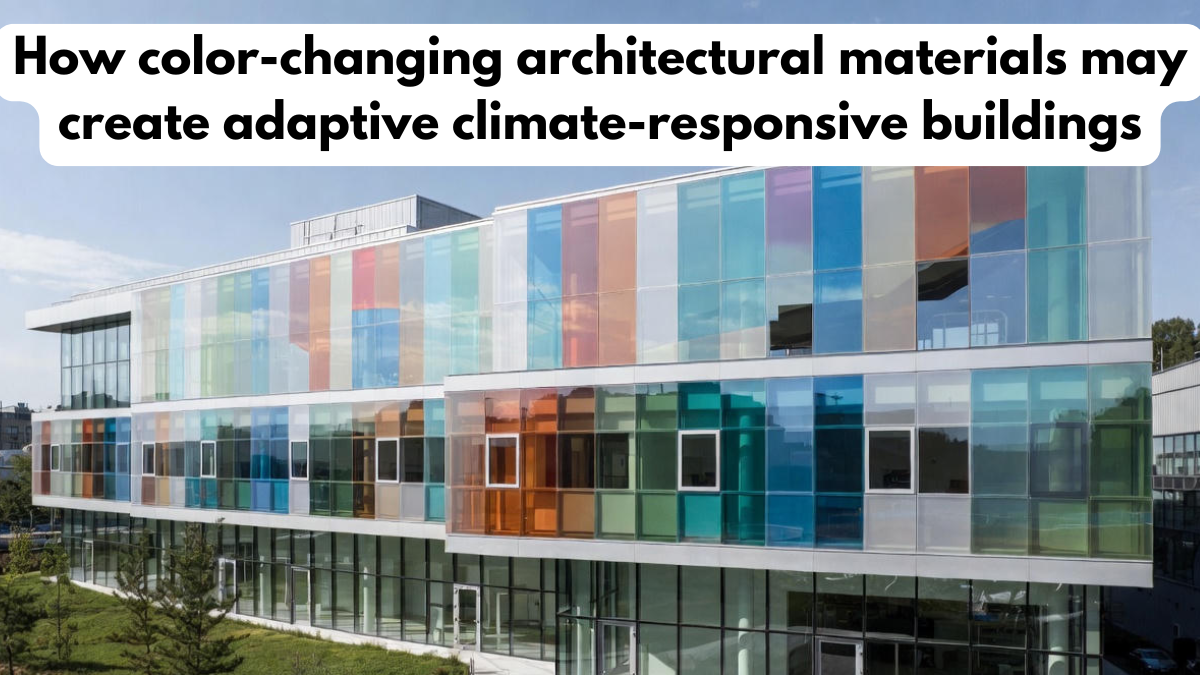
How Color-Changing Materials Work in Architectural Design
The functionality of color-changing architectural materials often relies on thermochromic, photochromic, or electrochromic technologies. Thermochromic materials respond to temperature shifts by altering their color or opacity, helping regulate heat absorption. Photochromic materials adjust based on light intensity, while electrochromic surfaces change when an electrical current is applied. These mechanisms enable surfaces to adapt instantly to environmental changes, improving building performance and durability.
This responsiveness plays a central role in developing climate-responsive buildings, as it allows structures to manage heat gain, glare, and light distribution naturally. For example, a building façade equipped with thermochromic materials may turn lighter during hot months to reflect sunlight and darker during colder seasons to absorb warmth. This adaptability reduces the pressure on HVAC systems, contributing to energy efficiency and sustainable design. Through ongoing research, color-changing architectural materials continue to evolve, offering even more precise and effective climate control.
Benefits of Climate-Responsive Buildings Using Color-Changing Materials
The rise of climate-responsive buildings demonstrates a growing global commitment to reducing carbon footprints and increasing environmental resiliency. By incorporating color-changing architectural materials, architects can create buildings that naturally adapt to external conditions without constant mechanical intervention. This not only lowers energy usage but also minimizes environmental impact over the building’s lifetime.
These materials also enhance occupant comfort by maintaining more stable indoor temperatures. Instead of abrupt temperature fluctuations that often occur with traditional systems, climate-adaptive materials create smoother transitions aligned with natural weather patterns. Additionally, designers can use these dynamic materials artistically, creating facades that shift in appearance throughout the day, providing an aesthetic element while still serving practical, sustainable functions. Their dual benefits make them vital for shaping next-generation climate-responsive buildings.
Table: Types of Color-Changing Materials and Their Climate Benefits
| Material Type | Trigger | Benefit for Climate-Responsive Buildings |
|---|---|---|
| Thermochromic | Temperature changes | Regulates heat absorption and reflection |
| Photochromic | Light exposure | Controls glare and light penetration |
| Electrochromic | Electric current | Allows user-controlled shading and privacy |
| Hydrochromic | Moisture levels | Adjusts appearance during rain/humidity |
| Biochromic | Biological reactions | Enables organic, nature-inspired adaptation |
Each category illustrates how color-changing architectural materials provide unique advantages for building systems and strengthen the overall performance of climate-responsive buildings.
Architectural and Environmental Impact of Adaptive Materials
The implementation of color-changing architectural materials is reshaping how sustainability is approached within the construction industry. Buildings have long been responsible for a significant portion of global energy consumption, largely due to the need for climate control. By allowing structures to interact intelligently with their environment, adaptive materials reduce the need for artificial heating, lighting, and cooling systems.
This environmental benefit extends beyond energy conservation. Climate-adaptive buildings help reduce greenhouse gas emissions, limit thermal pollution, and support long-term environmental health. In fast-growing urban areas, where overheating and poor air quality are ongoing issues, climate-responsive buildings can significantly improve urban resilience. Their integration into public infrastructure, commercial buildings, and residential spaces supports environmentally conscious development and contributes to a sustainable future.
Expanding Creative Potential in Modern Architecture
While sustainability remains a primary objective, the aesthetic potential of color-changing architectural materials is equally transformative. Architects can design facades that shift hues throughout the day, creating interactive and visually dynamic structures. These changing patterns not only enhance beauty but also help buildings blend into different environmental or cultural contexts.
Furthermore, climate-responsive buildings often become iconic landmarks due to their innovative and futuristic appearance. As urban environments evolve, demand grows for structures that reflect creativity, adaptability, and ecological responsibility. Color-changing materials open opportunities for bold designs that merge artistic expression with functional climate adaptation. Through this synergy, architecture becomes more meaningful, engaging, and harmonious with nature.
Challenges and Future Developments in Adaptive Building Materials
Despite their promise, color-changing architectural materials face certain challenges that must be addressed before widespread adoption. Cost remains a major barrier, as advanced technologies can be expensive to manufacture and install. Long-term durability is another concern, as repeated exposure to extreme temperatures or harsh sunlight may degrade material performance over time. Additionally, integrating adaptive materials into existing buildings may require specialized design adjustments or retrofitting.
However, ongoing research continues to improve material longevity, responsiveness, and affordability. Innovations in nanotechnology, smart coatings, and organic adaptive systems are paving the way for more efficient designs. As technological advancements accelerate, climate-responsive buildings will become more accessible and commonplace. Over time, adaptive architecture may transform into a standard practice, redefining how cities grow and how structures respond to the planet’s changing climate.
Conclusion
The development of color-changing architectural materials represents a powerful step toward creating adaptive, sustainable, and visually dynamic structures. By integrating these materials into design strategies, architects are pioneering a new generation of climate-responsive buildings that naturally regulate temperature, light, and environmental impact. These innovations not only improve occupant comfort but also reduce energy consumption and strengthen environmental resilience.
As technology advances and awareness grows, adaptive materials will play an increasingly vital role in modern architecture. They offer endless creative potential and practical benefits that support global sustainability goals. The future of building design lies in intelligent materials capable of responding to nature—and color-changing architectural materials are at the heart of this exciting transformation.
FAQs
How do color-changing architectural materials help buildings adapt to climate?
They adjust their color and thermal properties in response to sunlight, temperature, or other triggers, improving building efficiency and comfort.
What technologies enable these materials to change color?
They often use thermochromic, photochromic, and electrochromic technologies to shift appearance based on environmental changes.
Are climate-responsive buildings more energy efficient?
Yes, they reduce reliance on heating and cooling systems, lowering total energy consumption.
Will adaptive color-changing materials become common in future architecture?
As costs decrease and technology improves, these materials are expected to play a major role in sustainable building design.
Click here to know more.