Most people wait for sales. Smart buyers wait for timing. In India, the phone launch timing India pattern matters more than festive banners or “limited-time” offers. Prices don’t fall randomly—they follow predictable cycles tied to launches, inventory pressure, and return windows. If you buy inside the right window, you get real drops. If you chase sales, you often pay for psychology.
Here’s the practical playbook to buy at the lowest honest price.

Why Sales Are the Worst Moment to Decide
Sales are loud, not generous.
During sales:
-
Anchor prices are inflated beforehand
-
Bank offers mask weak base discounts
-
Stock-clearing models are mixed with fresh launches
Sales reward urgency, not value. Phone launch timing India rewards patience.

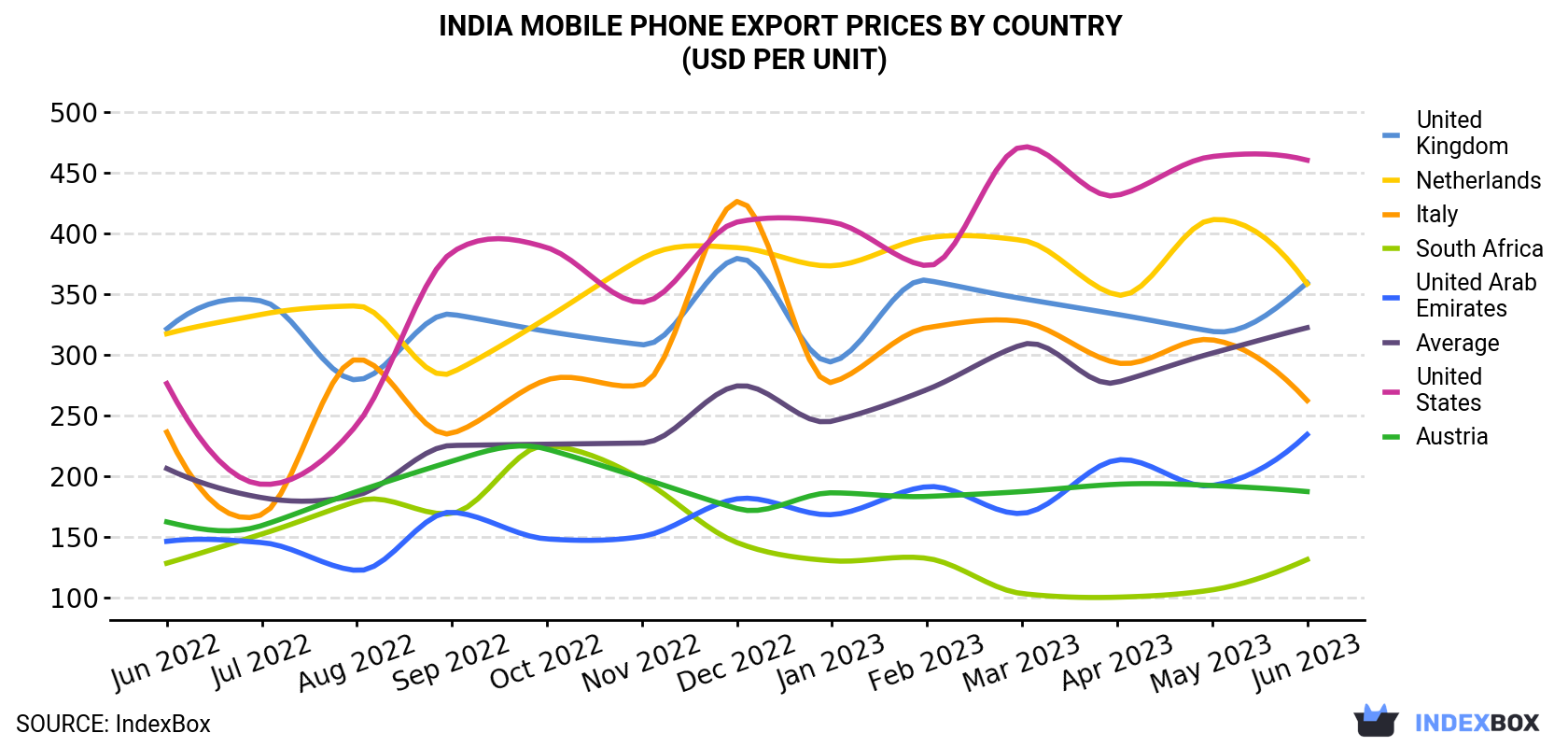
The most reliable price drop happens after launch hype fades.
The window:
-
2–6 weeks after launch
-
Initial demand stabilizes
-
Early adopters are done buying
-
Reviews and issues are public
Brands adjust prices quietly to sustain momentum.
Why Week-One Buyers Overpay
Launch pricing is confidence pricing.
In week one:
-
Demand is inelastic
-
Discounts are cosmetic
-
Accessories are used as “value adds”
If you don’t need the phone immediately, week one is the worst value.
Return Windows Create Hidden Price Pressure
This is the overlooked lever.
Return windows (7–10 days) mean:
-
Retailers see real return rates
-
Faults and complaints surface
-
Inventory planning gets clearer
Once returns normalize, prices soften to attract the next wave.
How Flagship Launches Pull Midrange Prices Down
New flagships don’t just sell themselves—they drag others down.
What happens:
-
Last-gen flagships get cuts
-
Upper midrange phones reposition
-
Bundles quietly improve
The phone launch timing India sweet spot often benefits non-flagship buyers most.
Sale Cycles vs Launch Cycles (They’re Not the Same)
Sales are calendar-driven. Launch cycles are market-driven.
Differences:
-
Sales push volume temporarily
-
Launch cycles rebalance pricing sustainably
That’s why post-launch drops stick longer than sale discounts.
Why Festive Sales Mislead Buyers
Festive sales mix old and new stock.
Common traps:
-
Old models shown as “huge deals”
-
New launches excluded from real discounts
-
Bank offers doing all the work
Festive sales are fine—if they align with post-launch windows.
The “Hold or Buy” Decision Rule
Use this rule to decide instantly:
-
New model launched <2 weeks ago → Hold
-
New model launched 2–6 weeks ago → Watch
-
New model launched >6 weeks ago → Buy if price fits
Simple rules beat speculation.
Online vs Offline Timing Differences
Offline stores react slower—but negotiate better.
Online:
-
Faster visible price drops
-
Algorithm-driven discounts
Offline:
-
Bundle flexibility
-
Negotiated freebies
-
Better exchange value
Timing still matters—but tactics differ.
Why Price Trackers Beat Deal Alerts
Deal alerts trigger impulse. Trackers reveal truth.
Trackers show:
-
Real historical lows
-
Fake discount patterns
-
Sustainable price floors
Use data, not notifications.
Who Benefits Most From Timing-Based Buying
This approach is ideal for:
-
Budget-conscious buyers
-
Midrange upgraders
-
Last-gen flagship seekers
Early adopters pay for novelty. Timed buyers pay for value.
Common Mistakes That Kill Savings
Avoid:
-
Buying during launch week
-
Chasing bank-only offers
-
Ignoring return-window effects
-
Believing “lowest ever” claims
Most savings are lost to impatience.
Conclusion
The best time to buy a phone in India isn’t during a sale—it’s inside the post-launch adjustment window. By understanding phone launch timing India, return cycles, and how brands rebalance pricing, you sidestep fake urgency and capture real value. In 2026, the smartest phone buyers don’t rush. They wait—and win.
FAQs
Is it bad to buy a phone at launch?
For value, yes. Launch buyers usually overpay.
When do real price drops happen?
Typically 2–6 weeks after launch.
Are festive sales worth it?
Only if they align with post-launch price adjustments.
Do return windows really affect pricing?
Yes. They influence inventory and discount decisions.
Should I track prices or wait for alerts?
Track prices—alerts trigger impulse, not savings.