
AI influencers were marketed as the future of social media: flawless visuals, no scandals, endless content. In 2026, that promise is unraveling. AI influencer backlash is growing as audiences realize these digital personalities don’t just feel artificial—they feel empty. What once sparked curiosity now triggers skepticism.
People didn’t follow influencers for perfection. They followed them for humanity.

Why AI Influencers Took Off So Fast
The early appeal was obvious.
Brands loved AI influencers because they:
• Never age or burn out
• Don’t demand higher fees
• Avoid real-world controversy
• Can be fully controlled
For a moment, virtual influencers looked like a risk-free alternative to humans.
What Audiences Expected—and Didn’t Get
Curiosity drove early engagement.
But audiences quickly noticed:
• Repetitive personalities
• Generic captions and emotions
• No real growth or struggle
• Predictable brand messaging
The novelty wore off—and AI influencer backlash followed.
The Authenticity Gap That Can’t Be Fixed
Authenticity isn’t visual. It’s experiential.
AI influencers can’t:
• Live real moments
• Respond emotionally to events
• Show vulnerability naturally
• Evolve unpredictably
Without lived experience, trust doesn’t form.
Why Trust Issues Are Escalating in 2026
Audiences are more media-literate than ever.
They now ask:
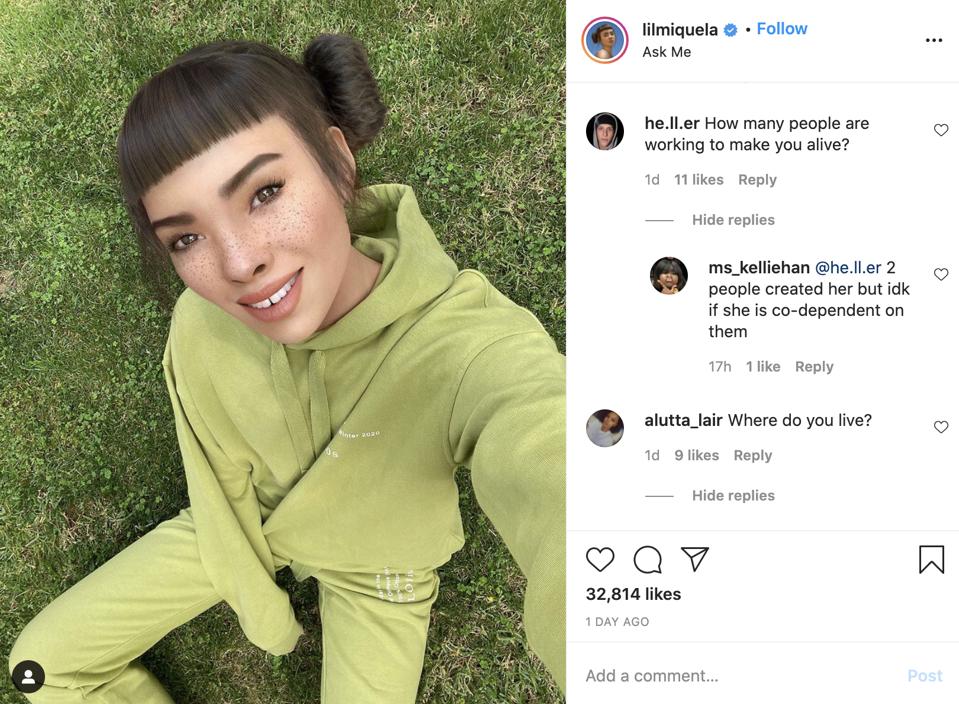
• Who is behind this account?
• What’s real vs scripted?
• Is this just advertising in disguise?
When transparency is unclear, trust issues dominate perception.
How Brands Misread Audience Behavior
Brands assumed polish equals persuasion.
Instead:
• Followers engage less deeply
• Comments feel ironic or detached
• Conversions lag behind hype
People may look—but they don’t believe.
Why Younger Audiences Are Rejecting Virtual Influencers
Gen Z and Gen Alpha grew up online—but crave realness.
They push back because:
• They spot artificial personas instantly
• They value relatability over perfection
• They distrust hidden sponsorships
For them, AI influencer backlash is a defense mechanism.
The Problem With ‘Perfect’ Digital Personalities
Flawlessness creates distance.
Perfect influencers:
• Don’t fail publicly
• Don’t learn visibly
• Don’t change organically
Without imperfection, connection dies.
Why Engagement Metrics Are Misleading
Views don’t equal trust.
AI influencers often show:
• High reach
• Low comment quality
• Weak community formation
• Poor long-term retention
Surface metrics hide deeper rejection.
What Human Influencers Still Do Better
Humans remain irreplaceable where it matters.
They offer:
• Shared experiences
• Emotional context
• Real-time reactions
• Credibility through lived life
No model can simulate consequence.
Where AI Influencers Might Still Work
They’re not useless—just misapplied.
Viable use cases include:
• Fictional storytelling
• Entertainment characters
• Brand mascots with disclosure
• Short-term campaigns
Problems arise when they pretend to be human.
Why Transparency Is Now Non-Negotiable
Audiences tolerate AI—if honesty exists.
Clear signals help:
• Explicit AI labeling
• Open creative intent
• No fake backstories
Deception accelerates AI influencer backlash.
What This Means for Influencer Marketing
The industry is recalibrating.
Trends point toward:
• Fewer virtual personas
• More human-led content
• Authentic storytelling
• Clear creator-brand boundaries
Influence without trust doesn’t convert.
Conclusion
The AI influencer backlash in 2026 proves a simple truth: attention can be engineered, but trust cannot. Audiences didn’t reject AI because it’s artificial—they rejected it because it tried to replace authenticity instead of supporting it.
The future of influence isn’t synthetic. It’s honest.
FAQs
What is AI influencer backlash?
Growing audience rejection of virtual influencers due to trust and authenticity concerns.
Why are AI influencers losing popularity?
Because novelty faded and authenticity didn’t exist.
Do AI influencers still work for brands?
Only in transparent, limited, or fictional roles.
Which audiences reject AI influencers most?
Younger, media-literate users.
Will AI replace human influencers?
Unlikely—trust and lived experience remain human strengths.
Click here to know more.