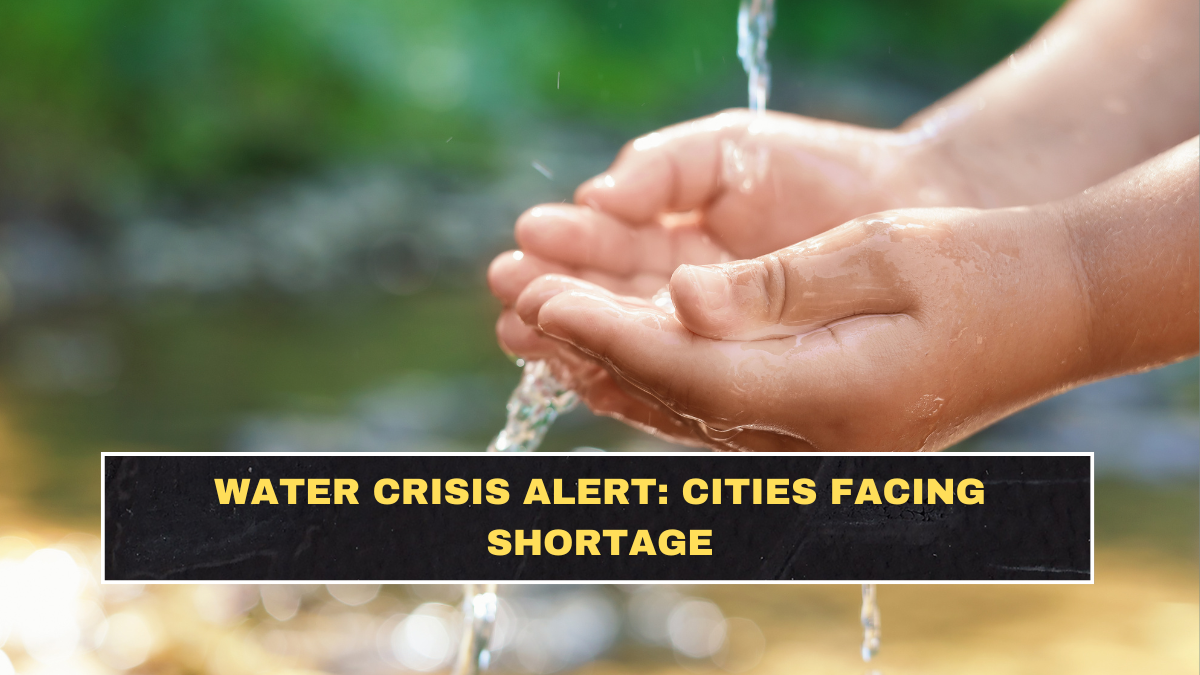
You open the tap—and nothing comes out.
Not low pressure, not slow flow—just no water.
This is not a rare situation anymore. Across multiple cities, water shortages are becoming more frequent, especially during summer. And the worst part is, most people only react when the crisis hits their home.
Why This Matters
Water is not an optional utility like internet or electricity—it is a basic necessity. When supply is disrupted, it affects daily life immediately, from drinking and cooking to hygiene.
Unlike other shortages, water crises can escalate quickly. If supply systems fail or sources dry up, recovery is not instant. That’s why awareness and preparation are critical.
Main Explanation
Let’s break this down in the simplest way so it’s easy to understand.
Water shortage happens when demand is higher than supply. This can occur due to multiple reasons working together, not just one issue.
Imagine a city as a system that depends on water from lakes, rivers, or groundwater. Now if:
-
Rainfall is low
-
Groundwater is overused
-
Population increases
-
Infrastructure is weak
Then the system cannot keep up with demand.
This creates a shortage where supply becomes limited or irregular.
Table: Causes of Water Shortage
| Cause | What It Means | Impact |
|---|---|---|
| Low rainfall | Less water collected | Reduced supply |
| Overuse of groundwater | Excess extraction | Drying sources |
| Population growth | More demand | Increased pressure |
| Poor infrastructure | Leakage and wastage | Supply loss |
| Climate change | Unpredictable weather | Irregular availability |
What’s Happening
Many parts of India face seasonal water shortages, especially during summer months. Urban areas are particularly affected due to high population density and limited natural sources.
At the same time, groundwater levels are declining in several regions due to overuse. This makes cities more dependent on external supply systems, which are not always reliable.
What You Should Do
Start conserving water at home instead of waiting for shortages.
Fix leaks, avoid wastage, and store water responsibly.
Also, be prepared with backup options like storage tanks.
Common Mistakes
The biggest mistake is wasting water when supply is normal.
Another mistake is not preparing for shortages in advance.
People also depend completely on regular supply without backup.
What to Watch Next
Watch rainfall patterns and local water supply updates.
Also monitor groundwater conditions in your area.
Reality Check
Here’s the blunt truth.
Water shortage is not a future problem—it’s already happening.
If you don’t change your usage habits, the crisis will reach your home sooner or later.
Conclusion
Water shortages are caused by multiple factors and are becoming more common. While large-scale solutions take time, individual actions can make a difference.
Use water wisely, prepare for shortages, and stay informed.
Because when water runs out, everything else stops.
FAQs
Why is water shortage increasing?
Due to overuse, low rainfall, and population growth.
Which areas are most affected?
Urban areas with high demand and limited supply.
Can water shortage be prevented?
It can be managed through conservation and planning.
What should I do during shortage?
Store water and reduce usage.
Is groundwater reliable?
Overuse is making it less reliable.
Click here to know more.