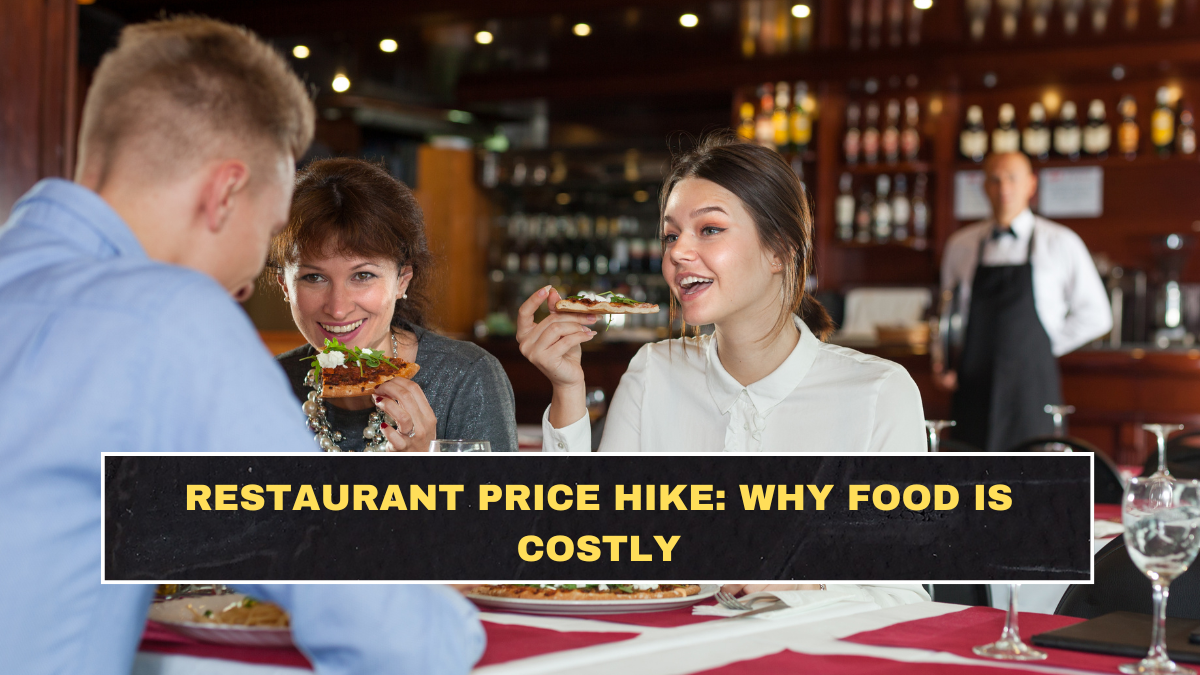
You sit in a restaurant, order the same meal… and the bill feels heavier than last time.
Nothing changed in your order, but somehow the cost did.
This is not your imagination. Eating out is getting more expensive, and most people don’t fully understand why. The increase is slow, but consistent—and it’s quietly affecting your monthly spending.

Why This Matters
Eating out is no longer just an occasional activity. For many people, it’s part of their lifestyle—weekend dinners, quick lunches, or online food orders.
When restaurant prices rise, it doesn’t feel like a big expense at once. But over time, it adds up and reduces your overall savings. That’s why understanding this increase is important.
Main Explanation
Let’s simplify this clearly so you understand what’s really happening.
Restaurants don’t increase prices randomly. Their costs increase first, and then those costs are passed on to customers.
Now think of a restaurant like a business with multiple expenses:
-
Raw ingredients (vegetables, oil, grains)
-
Staff salaries
-
Rent and electricity
-
Delivery platform commissions
When any of these costs increase, restaurants have two choices—reduce quality or increase prices. Most choose to increase prices to maintain quality and profit.
That’s why your bill keeps rising even if your order stays the same.
Table: Why Restaurant Prices Are Increasing
| Factor | What It Means | Impact on Price |
|---|---|---|
| Food inflation | Cost of ingredients rising | Higher menu prices |
| Rent increase | Expensive locations | Increased overall cost |
| Staff wages | Salary adjustments | Adds to expenses |
| Delivery charges | App commissions | Higher online prices |
| Utility bills | Electricity and gas cost | Price adjustments |
What’s Happening
Restaurant costs in India are increasing due to inflation and operational expenses. Food ingredients, fuel, and rent are becoming more expensive, directly affecting menu pricing.
At the same time, online food delivery platforms charge commissions, which restaurants often include in the final price. This makes ordering food even more expensive compared to dining in.
What You Should Do
Limit how often you eat out instead of cutting it completely.
Compare prices between dining in and ordering online.
Also, avoid unnecessary add-ons and focus on what you actually need.
Common Mistakes
The biggest mistake is ignoring small increases in each bill.
Another mistake is ordering frequently without tracking spending.
People also rely heavily on food delivery, which adds extra cost.
What to Watch Next
Watch food inflation trends and delivery charges.
Also monitor your own spending habits related to eating out.
Reality Check
Here’s the blunt truth.
Restaurants are not getting expensive—you are just noticing it now.
If you don’t control frequency, eating out will slowly drain your money.
Conclusion
Restaurant price hikes are driven by rising costs across multiple factors. While you can’t control these increases, you can control your spending habits.
Eat smart, plan better, and avoid unnecessary expenses.
Because enjoying food is good—but ignoring your budget is not.
FAQs
Why are restaurant prices increasing?
Due to rising costs of ingredients, rent, and operations.
Is ordering food more expensive than dining in?
Often yes, due to delivery charges and commissions.
How can I save money while eating out?
Limit frequency and avoid unnecessary add-ons.
Will restaurant prices go down?
They may stabilize but usually increase over time.
Does inflation affect restaurants?
Yes, it directly impacts their pricing.
Click here to know more.