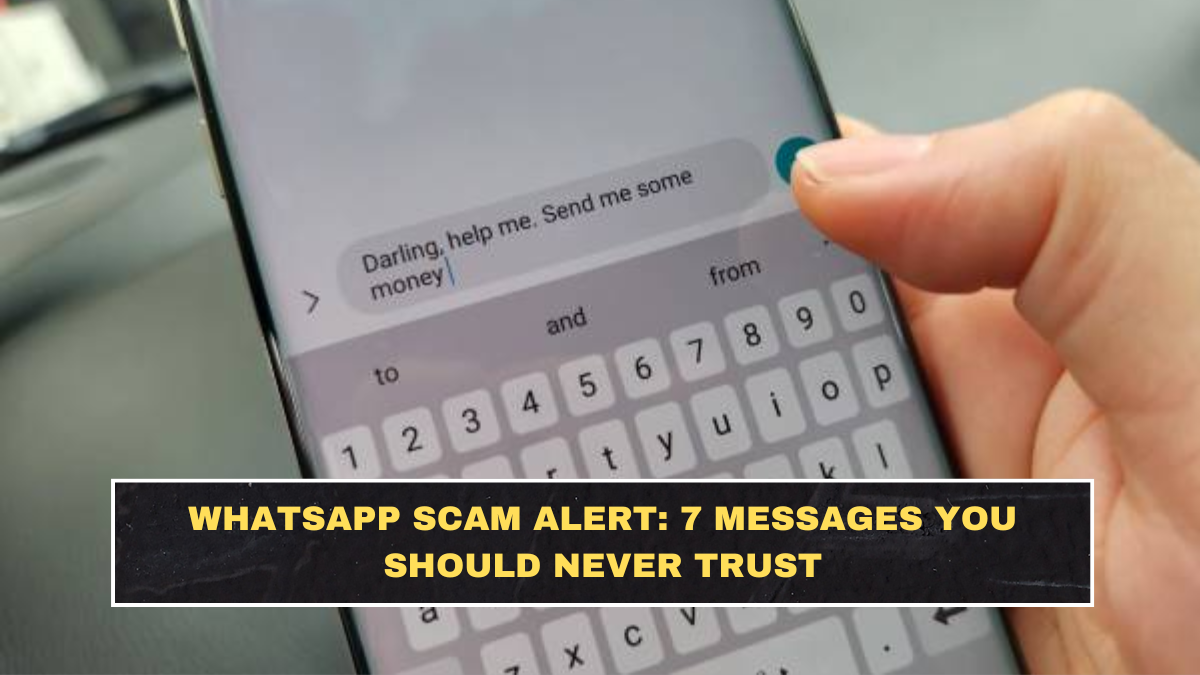
WhatsApp is one of the most widely used messaging platforms in the world, with billions of users relying on it for personal and business communication. However, the popularity of the platform has also made it a common target for scammers. Fraudsters often send deceptive messages designed to trick users into sharing personal information, transferring money, or clicking malicious links.
Many WhatsApp scams follow recognizable patterns. By understanding these common message formats, users can quickly identify suspicious activity and avoid becoming victims of fraud.

Why WhatsApp Is Targeted by Scammers
Scammers often prefer messaging platforms because they allow quick and direct contact with potential victims. Fraudsters may impersonate trusted individuals, banks, or organizations to gain the victim’s trust.
| Reason | Explanation |
|---|---|
| Large user base | Billions of active users worldwide |
| Instant communication | Messages delivered instantly |
| Trust between contacts | Victims often trust familiar names |
| Easy message forwarding | Scam messages spread rapidly |
These factors make messaging platforms attractive tools for cybercriminals.
7 WhatsApp Messages That Are Often Linked to Scams
Many scam messages follow similar structures and emotional triggers such as urgency, fear, or excitement. Recognizing these patterns can help users identify fraudulent messages quickly.
| Scam Message Type | How the Scam Works |
|---|---|
| OTP verification request | Fraudsters ask for OTP to access accounts |
| “Wrong payment” refund message | Victim is tricked into sending money back |
| Prize or lottery messages | Fake winnings used to request payment details |
| Job offer scams | Fake employment offers requesting registration fees |
| Bank account alert | Fake bank warning urging users to click links |
| Emergency request from a friend | Scammer impersonates someone known to the victim |
| App download links | Malware installed through fake apps |
These scams rely heavily on psychological pressure to make victims respond quickly without verifying the message.
Warning Signs of a WhatsApp Scam
There are several common indicators that a message may be fraudulent. Paying attention to these signs can help users detect scams early.
| Warning Sign | What It Indicates |
|---|---|
| Urgent payment request | Attempt to rush decision |
| Unknown links | Possible phishing attempt |
| Poor grammar or spelling | Unprofessional scam messages |
| Requests for OTP or passwords | Attempt to access accounts |
Legitimate organizations rarely request sensitive information through messaging apps.
Important WhatsApp Security Settings
WhatsApp provides several built-in security features designed to protect users from unauthorized access and scams.
| Security Feature | Purpose |
|---|---|
| Two-step verification | Adds extra login security |
| Privacy settings | Controls who can see profile details |
| Block and report feature | Stops suspicious contacts |
| End-to-end encryption | Protects message privacy |
Activating these features can significantly improve account protection.
What to Do If You Receive a Suspicious Message
If a WhatsApp message appears suspicious, users should avoid interacting with it until verifying its authenticity.
Recommended actions include:
-
Do not click unknown links
-
Avoid sharing OTPs or personal details
-
Verify messages with the person directly if they appear to come from a contact
-
Use WhatsApp’s report feature to flag suspicious accounts
Reporting scam messages helps platforms identify and block fraudulent accounts.
How WhatsApp Accounts Get Compromised
Many WhatsApp account hacks occur when users unknowingly share verification codes or install malicious applications.
| Method | How It Happens |
|---|---|
| OTP theft | Victims share verification code with scammer |
| Phishing links | Fake login pages steal credentials |
| Malicious apps | Malware installed on device |
| Social engineering | Scammer impersonates trusted person |
Understanding these methods helps users remain cautious when receiving unexpected messages.
Conclusion
WhatsApp scams often rely on predictable message patterns that aim to create urgency or excitement. By recognizing these warning signs and enabling the platform’s security features, users can significantly reduce the risk of falling victim to fraud. Remaining cautious when receiving unexpected messages, especially those requesting personal information or money, is one of the most effective ways to stay protected online.
Frequently Asked Questions
What is the most common WhatsApp scam?
OTP scams are among the most common, where fraudsters trick users into sharing verification codes to gain account access.
Can WhatsApp accounts be hacked through messages?
Yes. If users click malicious links or share verification codes, scammers may gain control of the account.
How can users protect their WhatsApp accounts?
Enabling two-step verification, avoiding suspicious links, and verifying unknown messages can improve security.
What should someone do after receiving a scam message?
Users should avoid responding, block the sender, and report the account through WhatsApp’s reporting feature.
Are WhatsApp messages encrypted?
Yes. WhatsApp uses end-to-end encryption, meaning messages are protected during transmission between users.