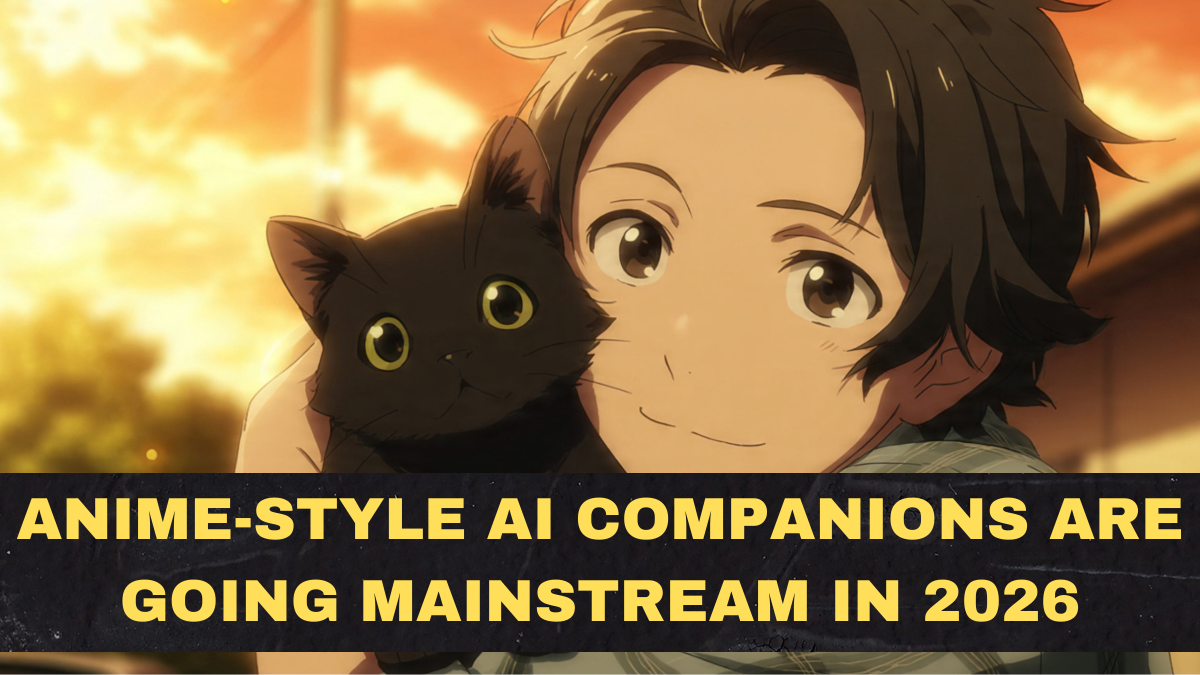
The rapid rise of anime AI companions is one of the most surprising and culturally revealing trends of 2026. What once lived only in niche fandom communities, visual novels, and experimental apps is now entering mainstream consumer tech. Anime-styled digital companions are appearing in devices, apps, marketing campaigns, and even physical products.
This is not a random design choice. It reflects deep shifts in youth culture, emotional technology adoption, fandom influence, and how people now want to interact with artificial intelligence. In 2026, the future interface of AI is no longer metallic, abstract, or corporate. It is cute, expressive, and emotionally familiar.
Why Anime Became the Default Face of Digital Companions
Anime aesthetics offer unique advantages.
They provide:
• Clear emotional expressions
• Stylized relatability
• Youthful energy
• Fantasy identity
• Visual comfort
Unlike realistic avatars, anime characters:
• Avoid uncanny valley
• Feel safe and friendly
• Allow exaggeration
• Support emotional bonding
• Encourage imagination
For many users, especially Gen Z, anime characters already represent:
• Companionship
• Comfort
• Identity exploration
• Escapism
• Emotional safety
In 2026, anime AI companions feel natural because:
• The audience already trusts the aesthetic
How Youth Culture Is Driving This Explosion
Gen Z leads this movement.
They grew up with:
• Anime streaming platforms
• Virtual idols
• VTubers
• Gacha games
• Digital fandom culture
They are comfortable with:
• Parasocial relationships
• Virtual characters
• Online identity layering
• Emotional tech
For them, a digital companion that looks anime is:
• Normal
• Desirable
• Culturally aligned
• Socially acceptable
In 2026, youth culture does not want AI that feels corporate.
It wants AI that feels alive and expressive.
Why Digital Companions Are Replacing Traditional Chatbots
Functional chatbots feel cold.
Anime companions offer:
• Personality
• Visual feedback
• Emotional continuity
• Character memory
• Identity persistence
Users now prefer:
• Named characters
• Customizable personalities
• Ongoing relationships
• Emotional states
• Narrative progression
This turns interaction into:
• Bond building
• Habit formation
• Daily rituals
• Emotional engagement
In 2026, digital companions succeed because:
• They create attachment
• Not just answers
How Consumer Devices Are Embracing Anime Interfaces
The aesthetic is moving into hardware.
Emerging products include:
• Desk companion displays
• Smart alarm clocks with avatars
• Wearable assistant devices
• Pocket AI companions
• Home robots with anime faces
These devices:
• Animate expressions
• Show moods
• React visually
• Display dialogue bubbles
• Build character continuity
Manufacturers discovered:
• Users engage longer
• Retention increases
• Emotional attachment grows
• Brand loyalty strengthens
In 2026, interface design is no longer neutral.
It is personality-driven.
Why Emotional Design Matters More Than Technical Accuracy
Emotion drives adoption.
Anime companions succeed because:
• They feel friendly
• They reduce anxiety
• They invite interaction
• They feel nonjudgmental
• They create comfort
Users report:
• More frequent conversations
• Longer sessions
• Higher satisfaction
• Stronger attachment
In contrast, realistic avatars often:
• Feel intimidating
• Trigger discomfort
• Create uncanny effects
• Limit imagination
In 2026, emotional safety matters more than realism.
How Fandom Culture Is Shaping Product Strategy
Fandom now drives consumer tech.
Brands design:
• Character backstories
• Limited edition skins
• Seasonal outfits
• Voice actor partnerships
• Collectible avatars
Users customize:
• Hairstyles
• Eye colors
• Clothing
• Personalities
• Speech styles
This creates:
• Merchandise opportunities
• Subscription upgrades
• Community sharing
• Fan art ecosystems
• Character loyalty
In 2026, digital companions are no longer tools.
They are media franchises.
Why Privacy and Attachment Are Becoming Central Concerns
The trend raises serious questions.
Risks include:
• Emotional dependency
• Data intimacy exposure
• Behavioral profiling
• Manipulation potential
• Isolation reinforcement
Anime companions often:
• Encourage daily bonding
• Collect emotional signals
• Store personal memories
• Shape user behavior
Regulators and ethicists now question:
• Consent clarity
• Data ownership
• Psychological impact
• Youth vulnerability
In 2026, the success of anime AI companions depends heavily on:
• Transparency
• User control
• Ethical safeguards
How Romance and Companionship Apps Are Leading Adoption
The strongest growth appears in:
• Companion apps
• Virtual girlfriend services
• AI friend platforms
• Emotional support bots
• Lifestyle coaching avatars
These platforms use anime design because:
• It reduces judgment
• Encourages vulnerability
• Supports fantasy safely
• Allows identity projection
Users report:
• Reduced loneliness
• Improved mood
• Emotional comfort
• Daily companionship
In 2026, digital companions now serve:
• Emotional wellness
• Social buffering
• Habit formation
Beyond entertainment.
Why Western Tech Is Adopting an Eastern Interface Language
Cultural influence is shifting.
Anime aesthetics originate from:
• Japan
• Korea
• East Asian gaming culture
Now Western platforms adopt:
• Chibi styles
• Expressive eyes
• Minimal facial realism
• Iconic gestures
This reflects:
• Globalized youth culture
• Streaming dominance
• Cross-cultural fandom
• Visual language convergence
In 2026, the global face of AI is no longer Silicon Valley.
It is anime-inspired.
How This Trend Is Reshaping AI Identity Design
Design principles now prioritize:
• Personality consistency
• Emotional responsiveness
• Visual memory
• Character arcs
• Identity persistence
Future companions will include:
• Growth systems
• Relationship progression
• Mood evolution
• Narrative memory
• Character development
AI identity is becoming:
• A product feature
• A retention engine
• A cultural artifact
In 2026, AI design is no longer technical.
It is character design.
Why This Trend Will Expand Beyond 2026
Structural forces support growth:
• Loneliness epidemic
• Digital-first relationships
• Fandom mainstreaming
• Emotional tech demand
• Youth culture influence
Future companions will integrate:
• Voice
• Gesture
• AR projection
• Wearable interfaces
• Smart home presence
Anime AI companions are not a novelty.
They are becoming:
• Interfaces
• Friends
• Brands
• Identities
Conclusion
The rise of anime AI companions reveals how deeply technology adoption is now shaped by culture, emotion, and identity in 2026. By embracing anime aesthetics, digital companions feel approachable, expressive, and emotionally safe in ways traditional interfaces never achieved.
Driven by youth culture and fandom influence, these companions are redefining how humans relate to machines, shifting interaction from utility to relationship.
In this new era, the most successful AI systems will not be the smartest.
They will be the ones that feel the most human without pretending to be human.
And that balance may determine the future face of artificial intelligence itself.
FAQs
What are anime AI companions?
They are digital assistants or companions designed with anime-style visuals and personalities that interact emotionally and conversationally with users.
Why is this aesthetic becoming popular?
It feels friendly, avoids uncanny valley, aligns with youth culture, and supports emotional bonding.
Who is driving this trend most?
Gen Z and fandom communities are the primary adopters and cultural drivers.
Are there privacy risks with digital companions?
Yes. Emotional data, attachment patterns, and personal memories require strong transparency and control.
Will this trend expand beyond entertainment?
Yes. It is already entering wellness, productivity, smart devices, and home interfaces.
Click here to know more.