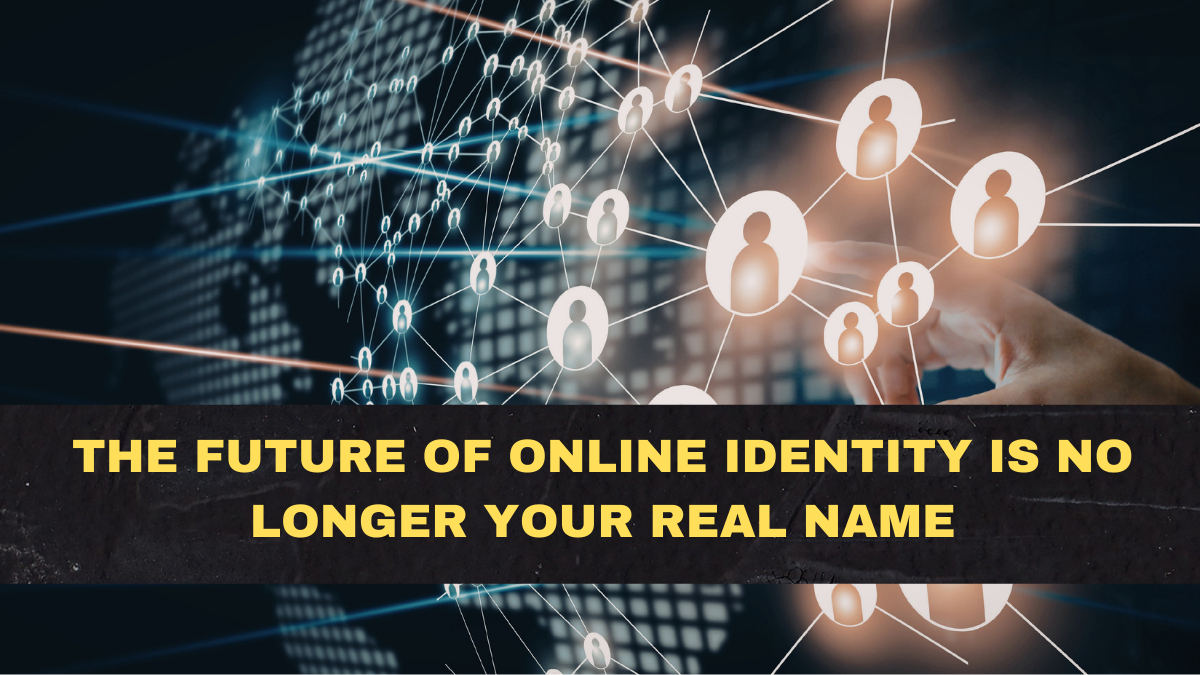
For most of the internet’s history, being online meant attaching your real name, photo, and personal details to everything you did. In 2026, that expectation is breaking down. The future of online identity is moving away from fixed, real-name profiles toward flexible, context-driven representations of the digital self. People are no longer comfortable collapsing their entire lives into a single searchable identity.
This shift isn’t about hiding—it’s about control. As data permanence, harassment, and surveillance intensify, pseudonymous profiles are becoming a rational response to an internet that never forgets.
What Online Identity Used to Mean
Early internet identity followed offline logic.
It assumed:
• One person, one name
• A stable public persona
• Permanent visibility
• Minimal long-term consequences
That model no longer fits a networked, searchable world.
Why Real-Name Identity Is Losing Relevance
Real-name systems promised accountability—but delivered risk.
They are losing relevance because:
• Personal data is easily weaponized
• Old posts resurface without context
• Professional and personal lives collide
• Harassment targets identifiable users
Transparency became vulnerability.
What Pseudonymous Profiles Really Are
Pseudonymous profiles aren’t anonymous chaos.
They are:
• Stable identities without real names
• Reputation built over time
• Context-specific personas
• Separated from legal identity
Trust can exist without full disclosure.
How the Digital Self Became Fragmented
People play multiple roles online.
Fragmentation happens because:
• Work and personal spaces overlap
• Different communities require different expression
• One identity can’t safely represent all contexts
A single profile can’t carry everything.
Privacy as the Main Driver of Change
Privacy concerns are no longer abstract.
They include:
• Data scraping and resale
• Facial recognition misuse
• Doxxing and targeted harassment
• Permanent digital records
Identity flexibility becomes self-defense.
Why Younger Users Lead This Shift
Younger users grew up with consequences.
They learned that:
• Screenshots are permanent
• Virality is unpredictable
• Public mistakes follow forever
They value separation over exposure.
How Platforms Are Adapting
Platforms are adjusting—reluctantly.
Changes include:
• Allowing multiple profiles
• Reducing real-name enforcement
• Supporting handle-based identity
• Emphasizing reputation over verification
Identity rules are softening under pressure.
Trust Without Real Names
Trust is being redefined.
It’s built through:
• Consistent behavior
• Community moderation
• Reputation history
• Transparent boundaries
Trust shifts from identity to action.
Risks of a Pseudonymous Internet
Flexibility has trade-offs.
Risks include:
• Reduced accountability
• Bad actors hiding behind personas
• Moderation complexity
• Legal enforcement challenges
Balance matters more than absolutes.
Why One Identity No Longer Works
The internet collapsed contexts.
One identity fails because:
• Personal expression risks professional harm
• Opinions become permanent records
• Growth and change aren’t forgiven
People need room to evolve.
What the Future of Online Identity Looks Like
Identity becomes layered, not singular.
By late 2026:
• Multiple digital selves become normal
• Real names become optional, not default
• Reputation systems gain importance
• Identity becomes contextual
Control replaces exposure.
What This Means for Society and Culture
Identity norms shape behavior.
As identity evolves:
• Expression becomes more honest
• Participation feels safer
• Power shifts away from surveillance
• Digital spaces diversify
Who you are online becomes a choice again.
Conclusion
The future of online identity is not about disappearing—it’s about choosing how and where you exist. As pseudonymous profiles and flexible digital selves gain acceptance, people reclaim control over visibility, context, and risk. In 2026, identity is no longer something the internet demands. It’s something individuals design.
The most radical change online isn’t new technology. It’s permission to be complex.
FAQs
What is the future of online identity?
It’s a shift away from real-name profiles toward flexible, context-based digital identities.
Are pseudonymous profiles the same as anonymity?
No. They allow stable reputation without revealing real-world identity.
Why are real-name systems declining?
Because they increase risk, harassment, and permanent consequences.
Can trust exist without real names?
Yes. Trust is increasingly based on behavior and reputation.
Will real-name identities disappear completely?
No, but they will become optional rather than mandatory.