
In recent months, a monkeys save monkey crocodile video has gone viral across social media platforms, capturing millions of views and shares. Such content is fascinating, often inspiring awe, laughter, or curiosity. But viral videos of animal rescues, heroic wildlife moments, or improbable behavior should be viewed with a critical lens. While these clips highlight remarkable animal behaviors, they also pose risks of misinformation, clickbait, and misinterpretation.
Understanding the context behind viral animal videos helps viewers enjoy wildlife content responsibly, appreciate animal behavior scientifically, and avoid spreading fake or misleading narratives. This guide explains how to interpret viral wildlife clips, what to look for in fact checking, and why careful observation is essential in the digital age.
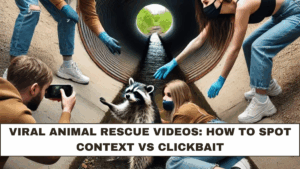
Why Animal Rescue Videos Go Viral
Several factors contribute to the popularity of viral animal rescue content:
• Emotional appeal: People connect with compassion, bravery, or unusual behaviors in animals.
• Shareability: Short, dramatic clips encourage instant sharing on WhatsApp, Instagram, and Facebook.
• Novelty factor: Unusual species interactions or life-saving behaviors attract attention.
• Confirmation bias: Viewers enjoy content that reinforces their beliefs about animal intelligence or morality.
In India, wildlife videos such as monkeys saving fellow animals, elephants helping calves, or birds engaging in unusual acts often capture headlines, emphasizing both fascination and ethical interest in nature.
Understanding Animal Behavior
The monkeys save monkey crocodile video shows apparent cooperation between monkeys around a predator. While dramatic, interpreting animal behavior requires caution:
-
Instinct vs intention: Animals act mostly on survival instincts, not conscious heroism.
-
Predator-prey dynamics: Interactions that appear “rescue-like” may involve distraction, mobbing, or territory defense rather than altruism.
-
Social animals: Monkeys often act collectively in groups to protect territory or family members, which may look like rescue to human observers.
-
Observation context: Without understanding the setting, footage can be misleading or incomplete.
Recognizing these nuances prevents anthropomorphism—attributing human emotions or intentions to animal behavior inaccurately.
How to Fact Check Viral Wildlife Videos
When encountering a viral animal rescue video:
-
Check the source:
Identify whether it comes from a credible wildlife organization, news outlet, or scientific channel. -
Reverse search the clip:
Tools like Google Images or video verification platforms can trace the original upload or previous reports. -
Look for expert commentary:
Zoologists, wildlife conservationists, or ecologists often provide context that separates myth from reality. -
Evaluate location and species:
Understanding the natural habitat, species behavior, and geographical context clarifies the clip’s authenticity. -
Beware of exaggerated captions:
Titles like “monkeys save a crocodile” may exaggerate or misinterpret events for virality. -
Cross-check with multiple sources:
If the footage is reported only on entertainment or social media pages, treat it with skepticism.
Why Responsible Sharing Matters
Sharing viral animal videos without verification can have several consequences:
• Misinformation: Mislabeling species or behaviors spreads myths.
• Conservation impact: Misinterpreted behavior can influence misguided conservation efforts or public perception.
• Animal welfare risk: Viral attention may encourage harmful interactions or human interference in natural habitats.
• Digital credibility: Reposting misleading content undermines social trust and personal credibility.
Responsible sharing promotes both wildlife education and ethical online behavior.
Appreciating Viral Wildlife Safely
Even if a clip is dramatized, there are safe ways to enjoy it:
• Observe animal interactions critically, not emotionally.
• Appreciate unique behaviors while learning about species ecology.
• Support verified wildlife organizations or educational platforms.
• Use viral moments as a gateway to learn more about conservation, habitats, and species challenges.
Examples of Viral Animal Rescues in India
India’s wildlife ecosystem provides numerous viral-worthy moments:
-
Monkeys helping trapped peers: Often group defense or mobbing behavior interpreted as rescue.
-
Elephants assisting calves: Matriarchs guide and protect young in real survival scenarios.
-
Birds defending nests: Swarms or coordinated defense strategies may appear cooperative or heroic.
-
River otters or civets interacting: Rare interspecies behavior sometimes misinterpreted in social media clips.
These examples highlight the importance of understanding context, species biology, and natural instincts.
Tools to Verify Viral Videos
For viewers who want to ensure accuracy:
• Reverse video search tools: Identify original uploads.
• Fact-checking websites: Platforms like Alt News, Boom, or wildlife verification sites may cover trending viral clips.
• Expert opinions: Reach out to wildlife researchers or follow verified wildlife channels.
• Metadata inspection: Technical details such as timestamps, file size, and camera info can hint at authenticity.
By combining these approaches, viewers can enjoy wildlife content responsibly without amplifying misinformation.
Conclusion
The monkeys save monkey crocodile video demonstrates the power of viral wildlife content to engage, entertain, and educate audiences. However, responsible interpretation is critical. By understanding animal behavior, verifying sources, and considering ecological context, viewers can appreciate viral animal rescues safely.
Indian wildlife, with its rich biodiversity, continues to produce moments that amaze and inspire. Educating audiences about fact-checking, ethical sharing, and species behavior ensures that viral videos contribute to awareness and conservation rather than misperception or harm.
Viral animal rescue videos are more than just entertainment—they are opportunities to learn about India’s wildlife, inspire curiosity, and support informed conservation efforts. By viewing these clips critically, respecting the animals’ natural behavior, and sharing responsibly, we can celebrate the marvels of nature while staying accurate and ethical.
FAQs
What is the “monkeys save monkey crocodile” video about?
It shows monkeys interacting near a crocodile, appearing to protect another monkey. The actual behavior may be mobbing or territory defense rather than conscious rescue.
How can I verify viral animal videos?
Check the source, perform reverse searches, look for expert commentary, and analyze species and location for authenticity.
Why do people misinterpret animal behavior online?
Anthropomorphism, dramatic captions, and limited context can make instinctual actions appear heroic or human-like.
Can viral wildlife videos harm conservation efforts?
Yes, misleading videos can spread myths, encourage unsafe interactions, or influence misguided public opinions.
How should I share wildlife videos responsibly?
Ensure content is verified, indicate if AI-edited or dramatized, avoid exaggerating behavior, and support educational or conservation initiatives.