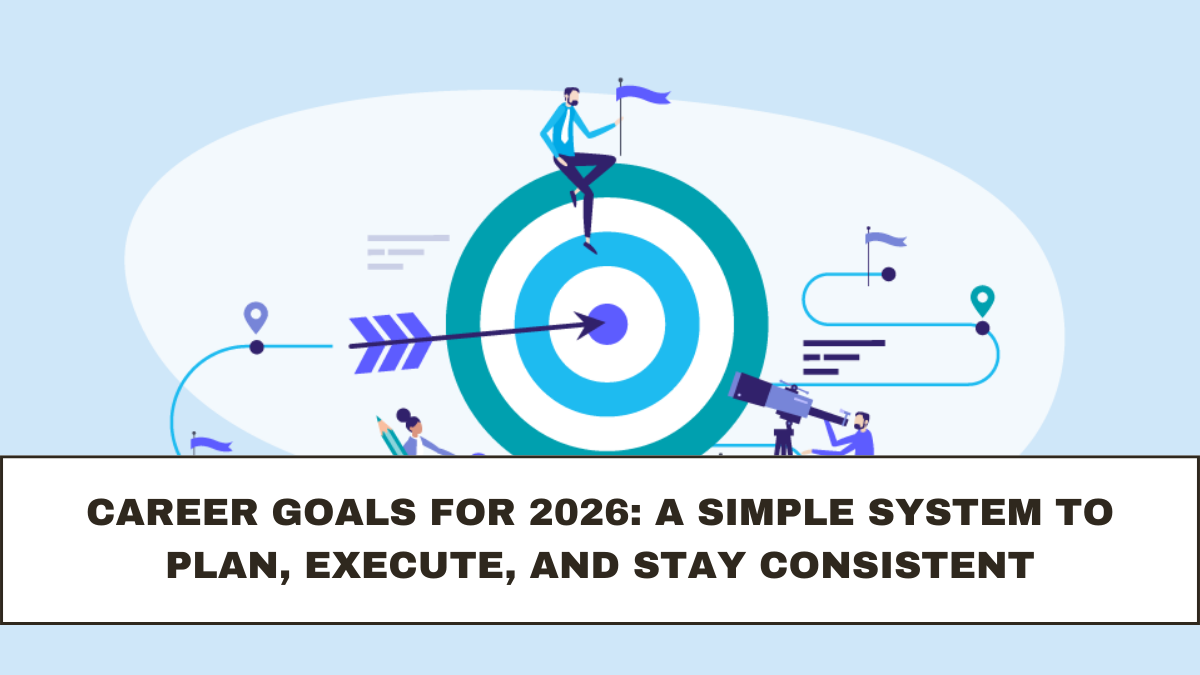
Achieving meaningful career goals for 2026 requires more than wishful thinking. While ambition is important, execution, consistent habits, and structured planning are what turn goals into tangible outcomes. The new year provides an excellent opportunity to reflect on your career path, identify gaps, and align daily actions with long-term objectives.
This article introduces a practical 3-layer system for career planning, offers a weekly review framework, and shares habit-building strategies to stay consistent throughout the year.
Why a Structured System Matters
Many professionals set goals but fail to achieve them because they lack clarity or routine. A structured approach ensures:
• Clear milestones and priorities.
• Regular assessment and course correction.
• Balanced growth across skills, output, and visibility.
• Avoidance of burnout by creating realistic expectations.
The 3-layer system helps focus energy on skills development, measurable output, and professional visibility, the three pillars of career success in 2026.
Layer 1: Skills Development
The first layer of your career goals for 2026 is building relevant skills. Skills are the foundation for advancement, promotions, and new opportunities.
Steps to Build Skills:
• Identify top 3–5 skills critical for your role or industry.
• Break them down into monthly micro-goals (e.g., complete a course, practice a project).
• Dedicate 2–3 focused sessions per week for skill improvement.
• Track progress using a journal or productivity tool.
Examples of valuable skills in 2026 include AI literacy, project management, communication, data analysis, or domain-specific technical skills. Remember, skill acquisition is an ongoing process that needs consistent effort.
Layer 2: Output and Deliverables
Skills alone do not guarantee recognition. The second layer focuses on tangible output and measurable deliverables. High-quality output builds credibility and demonstrates competence.
How to Track Output:
• Define quarterly deliverables aligned with career goals.
• Use SMART criteria (Specific, Measurable, Achievable, Relevant, Time-bound) for each task.
• Keep a log of completed projects, presentations, or reports.
• Reflect weekly on what was delivered and what could be improved.
By tracking output systematically, you can showcase your achievements, identify gaps, and reinforce the value you bring to your team or organization.
Layer 3: Visibility and Networking
Visibility is the third layer in your career goals system. Without recognition, even high-performing individuals may miss opportunities.
Ways to Increase Professional Visibility:
• Share accomplishments through reports, presentations, or team meetings.
• Participate in knowledge-sharing sessions, webinars, or workshops.
• Network internally and externally to showcase skills and expertise.
• Seek mentorship or advisory opportunities to expand influence.
In 2026, career success increasingly depends on how well your contributions are recognized, not just performed.
Weekly Review Template
A weekly review is crucial to stay consistent with your career goals. It helps assess progress across all three layers and plan the next steps.
Weekly Review Steps:
-
Reflect on Skills: Which skills did you practice? Did you make progress toward your micro-goals?
-
Evaluate Output: What projects or tasks did you complete? Were they aligned with your quarterly objectives?
-
Assess Visibility: Did you communicate your achievements effectively? Did networking efforts yield results?
-
Adjust Plans: Identify areas needing improvement and set priorities for the upcoming week.
-
Celebrate Wins: Acknowledge achievements, no matter how small, to maintain motivation.
This review process fosters accountability and continuous improvement, keeping you on track throughout 2026.
Habit-Building Strategies for Career Goals
Consistency is key to achieving career goals. Integrate small, repeatable habits into your routine:
• Allocate a fixed time daily or weekly for skill practice.
• Maintain a task journal for output tracking.
• Schedule networking or mentorship sessions proactively.
• Set reminders for weekly reviews and goal reflections.
• Use visualization techniques to reinforce long-term career objectives.
Over time, these habits build momentum, reduce procrastination, and enhance focus.
Common Pitfalls and How to Avoid Them
Even with a structured system, professionals may face challenges. Common pitfalls include:
• Overloading on too many goals at once.
• Neglecting skill development while focusing only on output.
• Failing to communicate achievements effectively.
• Skipping reviews, leading to lost progress or misalignment.
Avoid these by prioritizing, staying consistent, and regularly reassessing your approach.
Conclusion
Setting career goals for 2026 is not just about ambition; it is about building a structured system of skills, output, and visibility, complemented by habit-building and weekly reviews. By following this approach, professionals can ensure steady growth, measurable achievements, and enhanced recognition in their careers. With clarity, consistency, and strategic action, 2026 can be a year of meaningful progress and professional fulfillment.
FAQs
What is the best way to plan career goals for 2026?
Use a 3-layer system focusing on skills, output, and visibility, with clear milestones and a weekly review.
How often should I review my career goals?
Weekly reviews help track progress, adjust plans, and maintain consistency throughout the year.
Can small daily habits impact long-term career growth?
Yes, consistent skill practice, output tracking, and networking habits compound over time to drive success.
How can I increase professional visibility?
Share accomplishments, participate in workshops or webinars, network, and seek mentorship opportunities.
What if I fall behind on my goals?
Reassess priorities, break tasks into smaller steps, and focus on incremental progress rather than perfection.
Click here to know more.