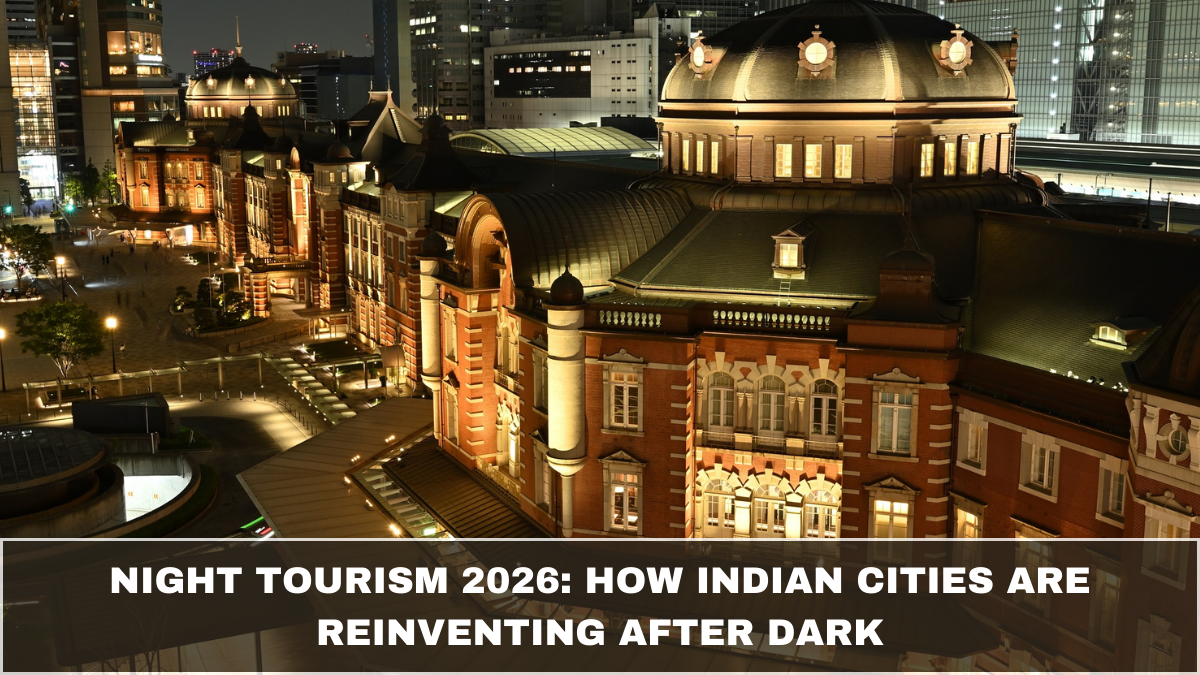
The night tourism & safety in metros 2026 reflects India’s efforts to create vibrant and secure after-dark experiences. Urban authorities, hospitality sectors, and tourism boards are collaborating to develop policies that encourage safe nightlife while boosting local economies. From improved transport and lighting infrastructure to curated night-time events and cultural experiences, Indian cities are positioning themselves as dynamic destinations for residents and tourists alike.
This article explores the emerging night tourism trends, safety initiatives, city-specific policies, and opportunities for leisure and cultural exploration in 2026.
Why Night Tourism Is Growing in India
Several factors are driving the rise of night tourism & safety in metros 2026:
-
Economic Opportunities: Evening businesses, restaurants, and cultural events generate revenue
-
Cultural Appeal: Festivals, performances, and night markets attract local and foreign tourists
-
Urban Lifestyle Shift: Young professionals and families seeking safe, engaging night experiences
-
Policy Support: City governments prioritizing safety, transport, and public engagement at night
-
Digital Integration: Mobile apps and surveillance technology enhance convenience and security
These developments show that night tourism is becoming a significant segment of urban travel in India.
Key Night-Time Safety Initiatives
Safety is central to promoting night tourism. Indian metros are implementing several measures:
-
Enhanced Street Lighting: Key tourist routes, squares, and markets illuminated
-
Women Safety Programs: Dedicated helplines, patrols, and safe zones in entertainment areas
-
Night Transport Services: Metro, bus, and cab networks extending hours for commuters and tourists
-
Surveillance & Smart Policing: CCTV coverage, AI-enabled monitoring, and rapid response teams
-
Community Awareness: Campaigns educating locals and tourists on safety practices
These initiatives aim to make night-time urban exploration enjoyable and worry-free.
Popular Night Tourism Activities
In 2026, Indian cities are offering diverse options for night tourism:
-
Night Markets & Food Trails: Sampling street food, artisanal products, and regional cuisine
-
Cultural Performances: Music concerts, theatre shows, and dance festivals after dark
-
Heritage Walks & Illuminated Monuments: Guided night tours of iconic landmarks
-
Adventure & Leisure: Night cycling, river cruises, and urban light festivals
-
Shopping & Entertainment: Late-night malls, cinema screenings, and themed cafés
These activities enhance the nightlife experience and create memorable micro-tourism opportunities.
City-Specific Night Tourism Policies
Several metros have redesigned urban night-time strategies in 2026:
-
Delhi NCR: Night food walks, extended metro hours, and illuminated monuments
-
Mumbai: Coastal night markets, safe transport corridors, and police patrolling initiatives
-
Bengaluru: Tech-driven surveillance, cultural walkathons, and night cycling events
-
Kolkata: Heritage night tours, lit-up riverfronts, and festival-based night markets
-
Hyderabad & Pune: Food and arts festivals, extended cultural performances, and safe urban hubs
City-specific strategies reflect the growing emphasis on night tourism & safety in metros 2026.
Opportunities for Tourists & Local Businesses
Night tourism in India offers opportunities for multiple stakeholders:
-
Tourists: Explore urban culture, night markets, and heritage in a safe environment
-
Local Entrepreneurs: Launch night food stalls, guided tours, and cultural activities
-
Hospitality Industry: Extend operating hours, curate nightlife experiences, and promote events
-
Travel & Tech Apps: Provide real-time information, safety alerts, and ticketing for night events
By combining entertainment and safety, cities are creating an ecosystem where tourism after dark thrives.
Challenges and Considerations
While night tourism is expanding, certain challenges remain:
-
Traffic Management: Ensuring safe and efficient night-time transportation
-
Noise & Environmental Concerns: Balancing entertainment with urban sustainability
-
Public Awareness: Educating locals and visitors about safety protocols
-
Infrastructure Gaps: Improving lighting, signage, and public facilities in all districts
Addressing these challenges ensures that night tourism is both safe and sustainable in 2026.
Conclusion
The night tourism & safety in metros 2026 demonstrates India’s commitment to redefining urban experiences after dark. From illuminated streets and cultural events to enhanced transport and safety measures, cities are creating environments that encourage safe and enjoyable nightlife. For tourists, it provides a rich variety of experiences; for local businesses, an opportunity to engage visitors and boost revenue. By combining safety, policy, and leisure, India’s metros are emerging as vibrant destinations for after-dark exploration in 2026.
FAQs
Which Indian cities are focusing on night tourism in 2026?
Delhi NCR, Mumbai, Bengaluru, Kolkata, Hyderabad, and Pune are leading initiatives.
What safety measures are being implemented?
Enhanced street lighting, women safety programs, extended transport hours, smart surveillance, and community awareness campaigns.
What activities are popular for night tourism?
Night markets, cultural performances, illuminated heritage walks, urban leisure activities, and night cycling.
How can tourists ensure safety during night trips?
Use official transport services, stay in well-lit areas, follow local guidelines, and use digital safety apps.
Why is night tourism important for cities?
It boosts the economy, promotes culture, encourages safe urban experiences, and attracts both domestic and international tourists.