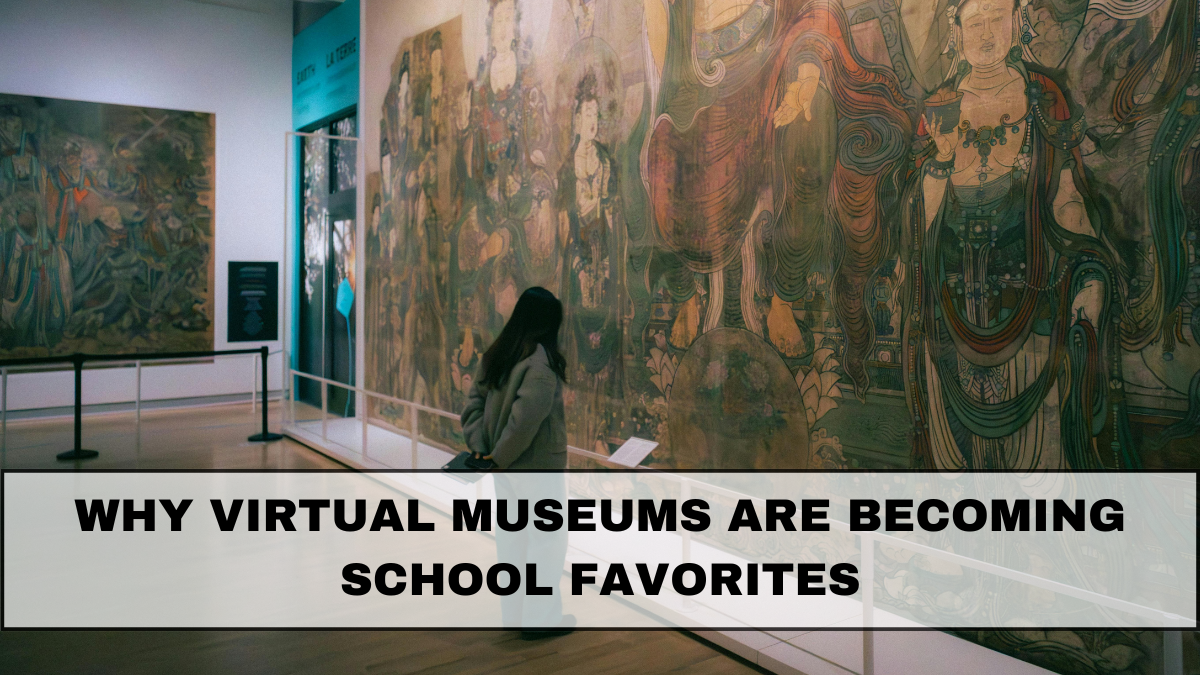
Education is evolving rapidly in 2025, with technology transforming how students learn and explore. Among these innovations, virtual museums are gaining significant popularity in schools, offering immersive digital learning experiences that make history, art, science, and culture accessible in engaging ways. Unlike traditional field trips, virtual museum experiences allow students to explore global collections, interactive exhibits, and multimedia content from their classrooms or homes.
What Are Virtual Museums?
Virtual museums are digital platforms that simulate the experience of visiting a physical museum. They utilize technologies such as virtual reality (VR), augmented reality (AR), 3D modeling, and interactive media to present artifacts, exhibits, and educational content. Features often include:
-
360° Virtual Tours: Navigate museum galleries as if walking through them physically.
-
Interactive Exhibits: Engage with multimedia content like videos, animations, and quizzes.
-
Accessible Collections: Explore rare artifacts and global collections without geographical constraints.
-
Live Sessions & Webinars: Connect with curators, educators, or artists for guided learning.
-
Customizable Learning Paths: Teachers can design student-specific tours and educational modules.
By combining these elements, virtual museums create immersive, hands-on learning experiences that complement classroom instruction.
Benefits of Virtual Museums for Students
Virtual museums provide multiple educational advantages:
-
Enhanced Engagement
Interactive exhibits and multimedia content make learning dynamic, keeping students interested and motivated. -
Global Access
Students can explore international museums, historical sites, and cultural landmarks without leaving their city or school. -
Cost-Effective Learning
Virtual visits eliminate transportation, entry fees, and logistical costs associated with traditional field trips. -
Safe and Inclusive
Accessible for students with mobility challenges or health restrictions, offering equal learning opportunities for all. -
Customizable Education
Teachers can tailor virtual tours to suit curriculum objectives, subject focus, or individual learning needs. -
Skill Development
Students enhance digital literacy, critical thinking, and research skills while exploring interactive exhibits.
Popular Virtual Museum Experiences
Virtual museums span multiple disciplines and cater to diverse educational interests:
-
History Museums: Explore ancient civilizations, world wars, and heritage sites with immersive 3D exhibits.
-
Art Galleries: Virtual tours of global art collections, interactive painting and sculpture guides.
-
Science & Technology Museums: Interactive simulations of physics experiments, robotics displays, and space exploration.
-
Natural History & Zoology Museums: Explore ecosystems, extinct species, and biodiversity through virtual exhibits.
-
Cultural & Heritage Museums: Understand global cultures, traditions, and crafts using AR and multimedia storytelling.
These experiences allow students to interact with learning materials in ways that traditional textbooks cannot provide.
How Virtual Museums Work
Virtual museums leverage several technologies to deliver seamless educational experiences:
-
Virtual Reality (VR): Fully immersive 3D environments for realistic museum tours.
-
Augmented Reality (AR): Overlay digital content onto physical spaces, enhancing interactive learning.
-
3D Scanning & Modeling: Digitally replicate artifacts, ensuring detailed and accurate representation.
-
Interactive Platforms: Web-based interfaces, apps, and portals allow exploration on computers and mobile devices.
-
Cloud Integration: Stores and delivers large datasets, multimedia, and learning modules efficiently.
The combination of these technologies creates a rich, interactive, and engaging educational environment.
Why Virtual Museums Are Trending in 2025
Several factors contribute to the rise of virtual museums as a school favorite:
-
Digital Learning Growth: Schools increasingly integrate technology in classrooms to enhance learning outcomes.
-
Globalization of Education: Students can access international museums and cultural landmarks virtually.
-
Pandemic Influence: Remote learning accelerated adoption of online educational resources, including virtual museums.
-
Interactive Learning Demand: Students prefer experiential learning over passive textbook reading.
-
Sustainability & Safety: Virtual visits reduce travel, energy consumption, and exposure risks.
These trends ensure that virtual museums remain a central part of modern educational strategies.
Challenges and Considerations
Despite their benefits, virtual museums face some challenges:
-
Technology Access: Students need devices and internet connectivity to access virtual tours effectively.
-
Screen Fatigue: Long digital sessions may reduce attention spans if not well-structured.
-
Limited Physical Interaction: Some tactile learning experiences are difficult to replicate virtually.
-
Content Overload: Teachers must curate relevant exhibits to avoid overwhelming students.
Addressing these challenges ensures virtual museums remain an effective and engaging educational tool.
Future of Virtual Museums in Education
The future of virtual museums includes:
-
More Immersive Experiences: Advanced VR and AR technologies for lifelike exhibits.
-
AI-Powered Personalization: Adaptive learning experiences tailored to student interests and progress.
-
Gamification: Interactive quizzes, challenges, and rewards to increase engagement.
-
Hybrid Learning Integration: Combining virtual tours with classroom discussions, projects, and fieldwork.
-
Global Collaborations: Schools and museums collaborating across borders for shared educational programs.
As technology evolves, virtual museums will continue transforming education, making learning more interactive, accessible, and global.
FAQs
What are virtual museums?
Virtual museums are digital platforms that recreate museum experiences using VR, AR, 3D modeling, and multimedia tools, enabling students to explore exhibits remotely.
Why are virtual museums popular in schools?
They provide immersive, interactive learning, global access to exhibits, cost-effective educational experiences, and opportunities for inclusive learning.
Can virtual museums replace physical field trips?
While they enhance learning and provide unique experiences, they complement rather than fully replace physical visits, offering alternative exploration opportunities.
Do students need special devices to access virtual museums?
Most virtual museums are accessible via standard computers, tablets, or smartphones, though VR devices offer a more immersive experience.
What is the future of virtual museums in education?
Virtual museums will become more personalized, interactive, and globally connected, integrating AI, gamification, and hybrid learning models to enhance educational outcomes.
Click here to know more.